




2026-07-27
Learn More
A pollen screen and a regular window screen solve different problems. A standard insect screen is primarily designed to keep mosquitoes, flies, and larger insects outside while maintaining ventilation and visibility. A pollen screen uses a much denser mesh structure to reduce the amount of airborne pollen and fine outdoor debris entering through an open window. The trade-off is that the finer structure can create more resistance to airflow than a conventional insect screen. For buyers, the right choice depends on more than mesh count. Window size, local pollen conditions, ventilation requirements, visibility, cleaning frequency, screen material, and frame compatibility all affect real-world performance. A pollen screen for windows is particularly useful where occupants want natural ventilation but also want to reduce pollen entry during seasonal peaks; it should not, however, be treated as a replacement for medical allergy management or a properly designed HVAC filtration system.
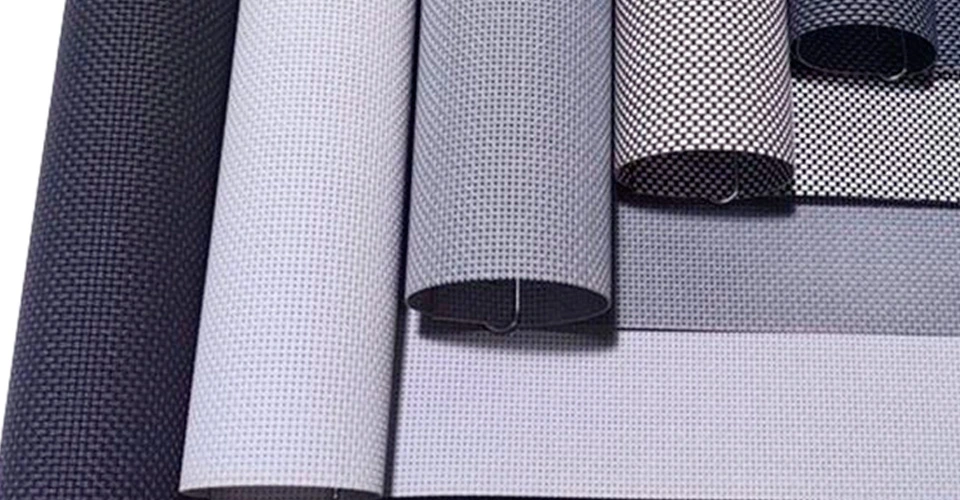
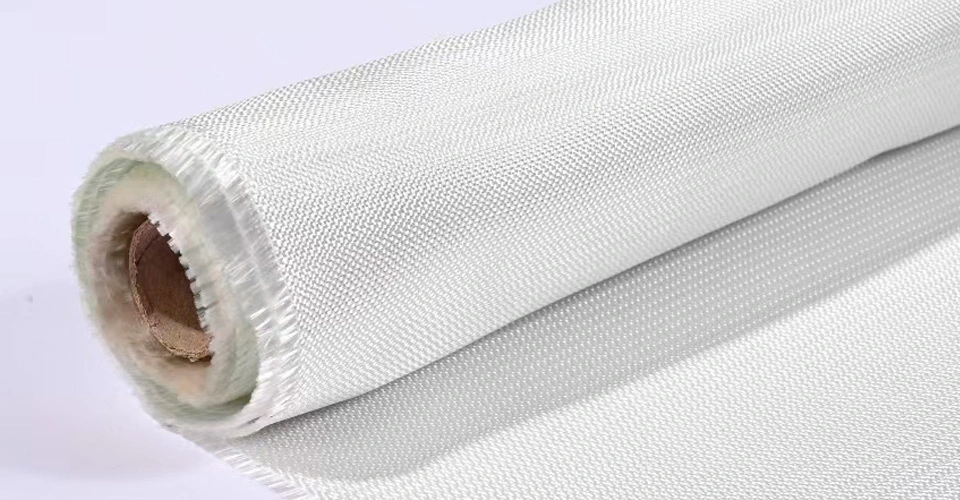
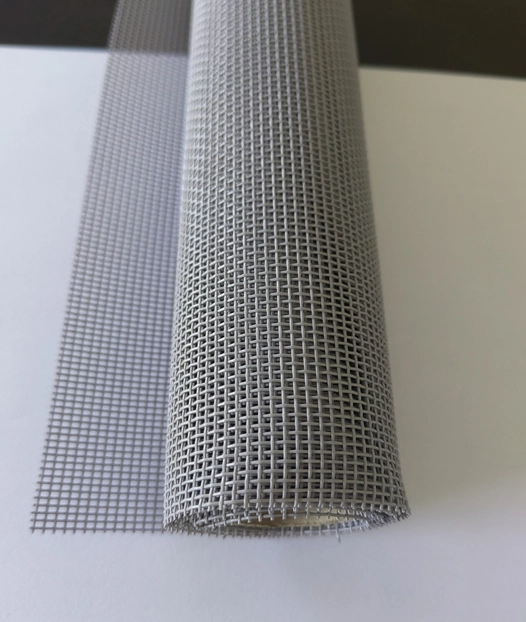
The most obvious difference is mesh density. Conventional fiberglass insect screens use openings large enough to maintain good airflow and outward visibility while preventing common flying insects from passing through. JWFG’s fiberglass insect screen range includes multiple mesh configurations for residential and commercial windows and doors. The company’s individual screen products include common specifications such as 16×14, 18×16, 18×18, 20×20, and 25×25 mesh, depending on the application.
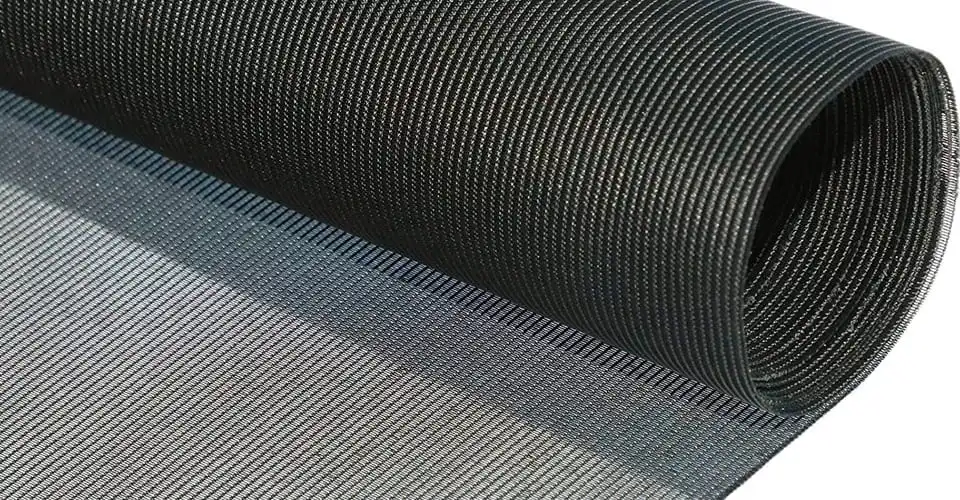
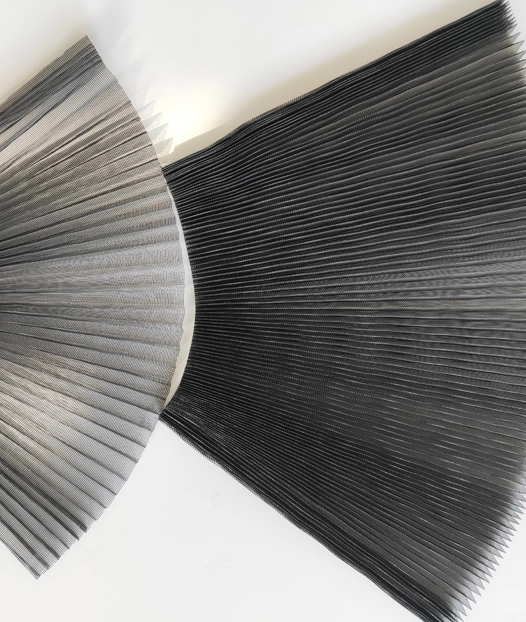
A pollen screen uses a substantially finer structure. For example, JWFG’s 17×60 pollen screen uses polyester mesh with a listed thickness of approximately 0.35–0.36 mm and is designed to reduce the passage of pollen and dust while still permitting ventilation.
This difference changes the primary purpose of each material:
| Screen Type | Primary Purpose | Relative Mesh Density | Typical Priority |
|---|---|---|---|
| Regular insect screen | Stop mosquitoes and insects | More open | Airflow and visibility |
| Pollen screen | Reduce pollen and fine airborne debris | Denser | Filtration |
| Fine insect screen | Stop smaller insects | Medium to dense | Insect protection |
| Pet screen | Resist scratching and tearing | Structure varies | Mechanical durability |
Mesh count alone should not be used as the only purchasing specification. Yarn diameter, weave construction, and total open area also influence how much air can move through the screen.
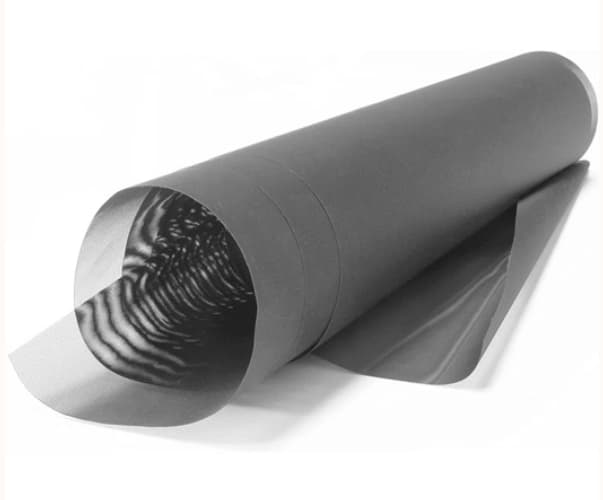
The basic design challenge is straightforward: reducing opening size helps intercept smaller airborne material, but it can also restrict air movement. A standard window screen typically feels more open because a relatively large portion of the surface consists of unobstructed openings. This is useful in climates where cross-ventilation is important or where homeowners want maximum outdoor visibility.
A pollen filtering mesh deliberately uses smaller and more numerous openings. As outdoor air passes through the screen, some pollen and larger suspended particles are intercepted by the mesh rather than moving directly indoors.
The United States Environmental Protection Agency identifies pollen as one of the biological contaminants that can trigger allergic reactions and asthma symptoms in susceptible people. Outdoor contaminants can enter buildings through open windows and other ventilation pathways.
For procurement purposes, buyers should therefore avoid asking only:
“Which screen blocks the most pollen?”
A better question is:
“What level of pollen reduction can the screen provide while maintaining acceptable ventilation for this window system?”
The answer depends on the complete screen rather than a single mesh number. Request samples and compare them in the intended frame. If possible, assess:
Perceived airflow across the installed screen
Outdoor visibility
Mesh uniformity
Ease of opening and closing the window
Dust accumulation after several weeks
Cleaning and drying time
Dimensional stability after repeated use
For properties where unrestricted ventilation is the highest priority and allergy exposure is not a major concern, a conventional screen may be more appropriate. Where pollen reduction is the main goal, the denser construction of a pollen screen provides a more relevant solution.
Pollen screens can help reduce one pathway by which outdoor pollen enters a building, but claims such as “allergy-free room” or “complete pollen protection” should be avoided unless supported by appropriate testing. The CDC identifies pollen as an airborne allergen and advises people affected by pollen to reduce exposure during high-pollen periods. Its recommendations include checking pollen forecasts, keeping windows closed during pollen season, and using suitable high-efficiency HVAC filtration where appropriate.
This is important when positioning a pollen screen for windows. The product occupies a practical middle ground: it allows a window to remain open for natural ventilation while providing an additional physical barrier to pollen. It does not mean that every pollen particle will be stopped, and other routes of indoor exposure remain possible.
Pollen can also enter on clothing, shoes, pets, and hair. Indoor concentrations therefore depend on several factors besides window screening.
For homes, hotels, schools, or offices with allergy-sensitive occupants, pollen screens can form part of a broader exposure-reduction strategy. During severe pollen periods, users who experience significant allergic or respiratory symptoms should still follow healthcare guidance rather than rely on window screening alone. The American Academy of Allergy, Asthma & Immunology similarly advises reducing outdoor pollen exposure and keeping windows closed where possible when pollen levels are high.
Filtering performance can decline if the screen does not fit the frame correctly. Gaps around edges allow air—and therefore pollen and insects—to bypass the mesh entirely.
Before ordering, verify:
Window dimensions. Measure the frame rather than estimating from nominal window size.
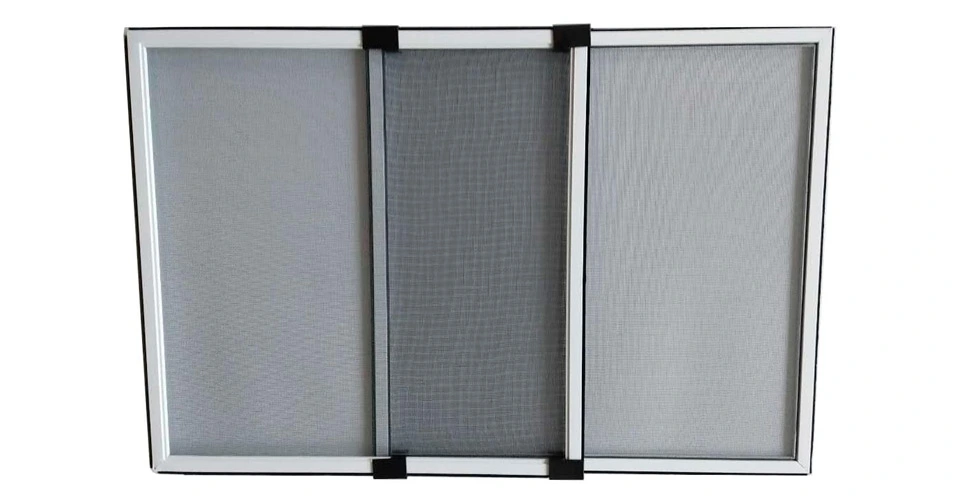
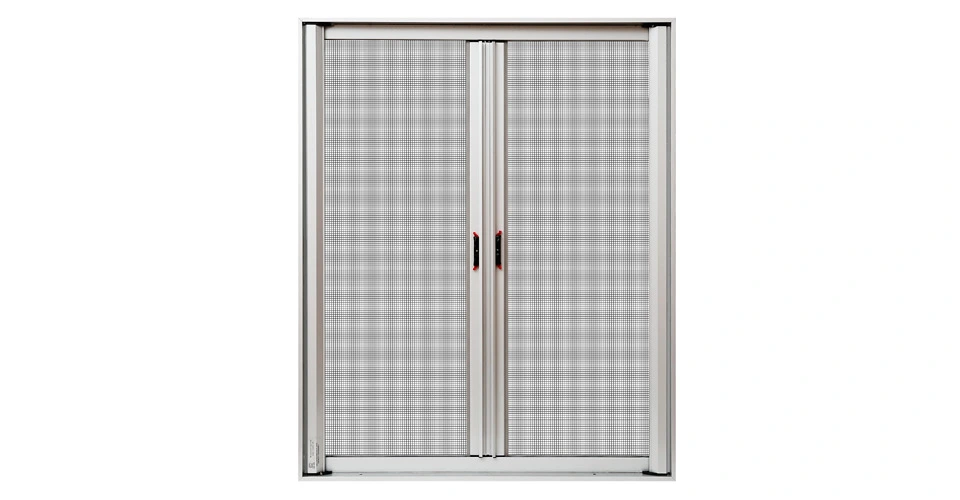
Installation system. Confirm whether the screen will be fixed, magnetic, removable, roller-mounted, or incorporated into another screen structure.
Mesh material. JWFG’s pollen screen is produced from polyester, while its conventional insect-screen range includes fiberglass-based products. Material choice affects flexibility, handling, and the way the finished mesh behaves in different frame systems.
Color. Black and gray meshes can appear different when viewed from indoors and may influence perceived visibility.
Roll dimensions. Distributors and fabricators should confirm width, roll length, and tolerance before cutting large production batches.
Maintenance is especially important for fine mesh. Pollen, dust, and outdoor debris accumulate on the surface and can progressively reduce airflow. JWFG recommends gentle cleaning of its pollen mesh using mild detergent and a soft brush or sponge, followed by thorough rinsing.
Avoid aggressive brushing that can deform the mesh. For commercial installations, establish a cleaning schedule based on local pollen conditions, traffic exposure, and surrounding vegetation rather than waiting until the screen appears visibly blocked.
The following table provides a practical starting point for product selection.
| Application | Recommended Screen | Main Priority | What to Check |
|---|---|---|---|
| Allergy-sensitive bedroom | Pollen screen | Reduce pollen entry | Mesh density, fit, and cleaning |
| Standard residential window | Fiberglass insect screen | Ventilation and insects | Mesh size, visibility, and width |
| High-pollen residential area | Pollen screen | Filtration with usable airflow | Sample airflow and edge sealing |
| Office or clinic | Pollen screen where natural ventilation is required | Cleaner incoming air | Frame fit and maintenance access |
| Hot climate with low pollen concern | Regular insect screen | Maximum natural ventilation | Open area and insect protection |
| Distributor or fabricator | Roll-format pollen or insect screen | Production consistency | Width, length, color, and tolerance |
JWFG’s main pollen screen range is designed for window and door applications where reducing pollen and dust entry is a priority. For projects whose main requirement is mosquito and insect protection with greater ventilation, buyers can compare the fiberglass insect screen range instead. Before placing a bulk order, request the mesh specification, material, yarn or wire diameter where applicable, roll dimensions, sample piece, and intended installation details. Testing the actual screen in the target frame provides more useful information than comparing product photographs alone.
A regular insect screen may intercept some larger airborne material, but it is designed primarily for insects rather than pollen filtration. A dedicated pollen screen uses a denser mesh structure for this purpose.
Generally, a denser mesh creates more airflow resistance than a more open insect screen. The actual effect depends on opening size, yarn diameter, weave, and total screen area, so buyers should compare physical samples.
No. They can reduce one route of pollen entry but cannot eliminate exposure from clothing, pets, open doors, or other sources. People with significant allergies should follow appropriate medical and exposure-control guidance.
A sufficiently fine pollen mesh can also act as a barrier to many insects. However, buyers should verify the mesh specification and intended application instead of assuming identical insect-protection performance for every pollen-screen design.
Cleaning frequency depends on pollen levels, dust exposure, and surrounding conditions. Inspect the screen regularly and clean it when accumulated material begins to obstruct the surface or reduce airflow.
Provide the target application, mesh or filtration requirement, window or frame dimensions, roll width, roll length, color, installation method, estimated quantity, and destination market. A physical sample should be approved before large-scale production.
Centers for Disease Control and Prevention — Pollen and Your Health
U.S. Environmental Protection Agency — Biological Contaminants and Indoor Air Quality
American Academy of Allergy, Asthma & Immunology — Climate Change and Outdoor Allergies