

2025-07-16
Learn More
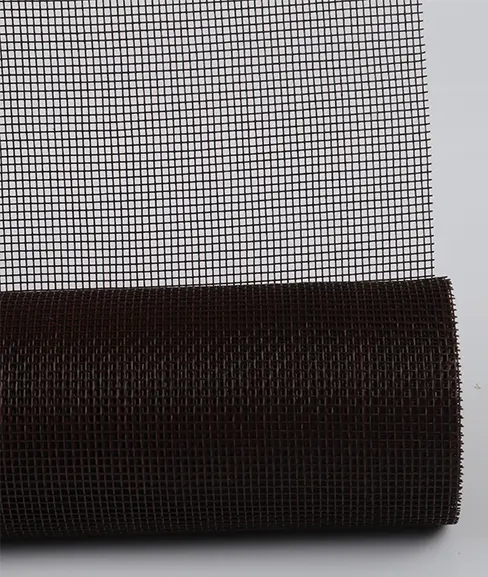
Pet screen is a heavy-duty window and door mesh designed to resist scratching, pushing, and repeated contact from cats, dogs, and other household animals. It performs the basic job of an insect screen—allowing ventilation while limiting insects—but uses thicker, tougher yarn than ordinary fiberglass mesh. Pet screen is commonly installed in windows, sliding doors, porches, patios, and other high-contact openings where standard screen may tear too easily. For distributors, screen-system manufacturers, contractors, and private-label buyers, choosing pet screen involves more than asking whether it is “pet proof.” Mesh construction, coating quality, roll width, frame compatibility, and exposure all affect performance.
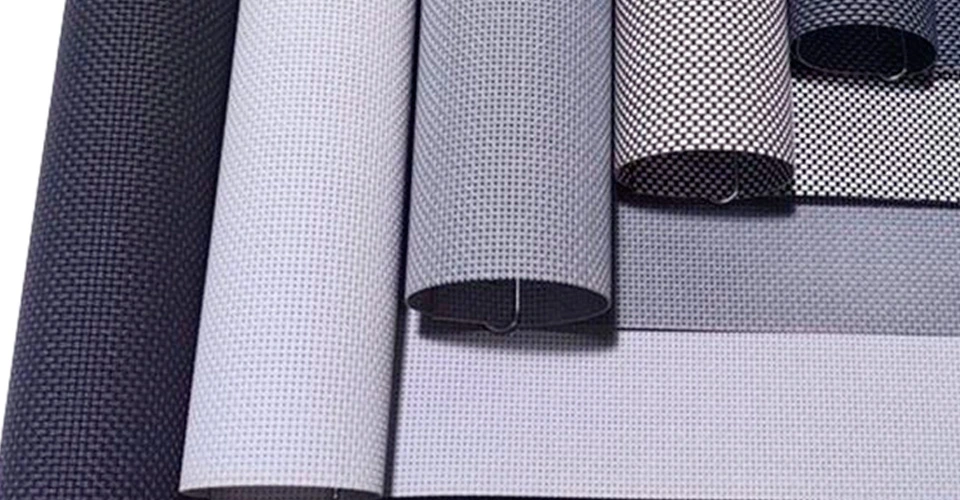
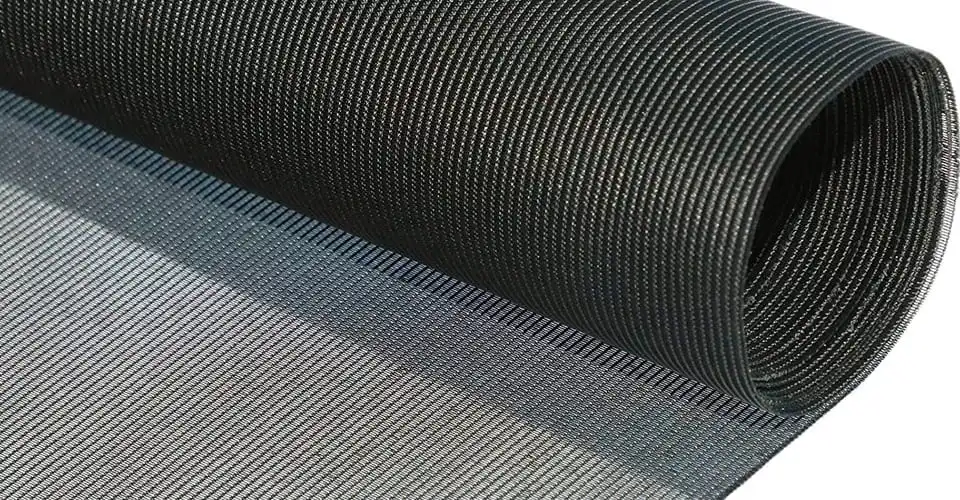
Most pet-resistant screen is made from woven polyester yarn coated with vinyl or PVC. Polyester provides flexibility and strength, while the coating stabilizes the weave and improves resistance to abrasion, moisture, and outdoor exposure. The finished material is generally thicker and heavier than conventional fiberglass insect screen. JWFG's pet screen mesh is available in several mesh configurations, including 15×11, 17×10, 16×13, and 11×11 options. Mesh count describes the number of openings per inch in each direction, but it should not be evaluated alone. A lower mesh count with thicker yarn can be stronger than a finer mesh made from thinner strands.
Pet screen should be described as pet resistant rather than completely pet proof. It is intended to tolerate normal clawing, rubbing, and pressure more effectively than lightweight mesh. Persistent chewing, sharp hardware, poor installation, or a loose frame can still cause failure. It should not be treated as a certified fall-arrest barrier. The ASPCA’s guidance on window screen safety for cats recommends using snug, sturdy screens and making sure adjustable screens are firmly secured within the window frame. For elevated windows or balconies, the complete opening—including the screen, frame, fasteners, locks, opening restrictors, and guards—must be assessed as one safety system.
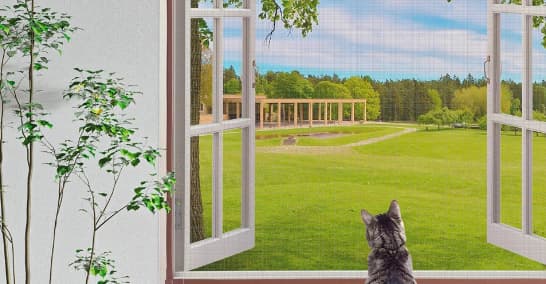
The right mesh depends on the primary risk. Standard fiberglass screen is economical and suitable for insect control in low-contact windows. Pet screen is better suited to locations where claws and repeated impact are expected. Metal mesh can offer high stiffness and puncture resistance, but may be harder to fabricate or crease during handling.
| Screen Type | Typical Construction | Pet Contact Resistance | Airflow and Visibility | Best-Fit Applications |
|---|---|---|---|---|
| Pet screen | Vinyl-coated polyester | High for routine scratching and pushing | Good; yarn is visibly thicker | Pet homes, sliding doors, patios, rental properties |
| Fiberglass insect screen | PVC-coated fiberglass | Low to moderate | Generally very good | Standard windows and budget projects |
| Aluminum screen | Woven aluminum wire | Moderate; may dent or crease | Good | Residential windows and dry environments |
| Stainless steel mesh | Stainless steel wire | High puncture resistance | Depends on wire and mesh count | Security-sensitive installations |
The strongest material is not automatically the best choice. A heavy mesh may require a stronger frame, different spline size, more installation force, or a larger roller tube. Where pet resistance is unnecessary, a conventional China fiberglass insect screen may offer better cost efficiency and finer visibility.
Pet screen is most useful in openings that experience frequent animal contact:
Sliding patio doors where dogs scratch near the lower panel
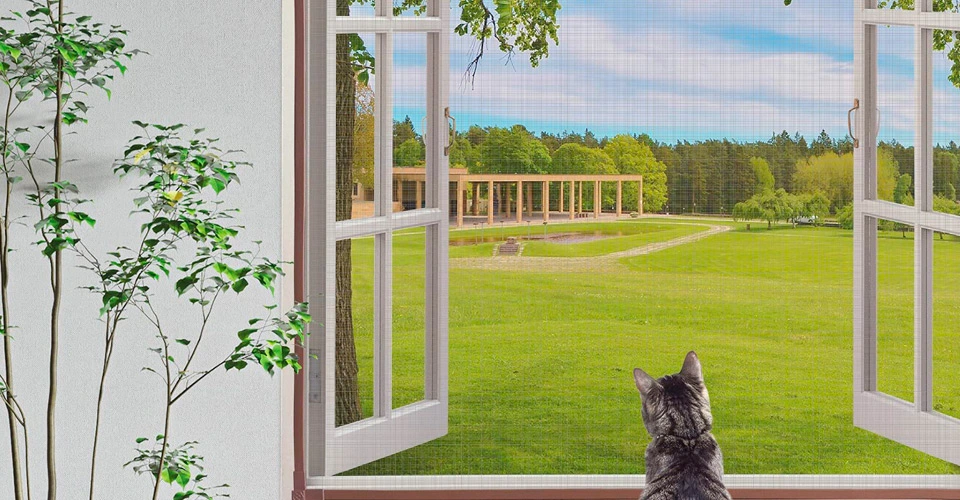
Ground-floor windows used by cats for viewing and ventilation
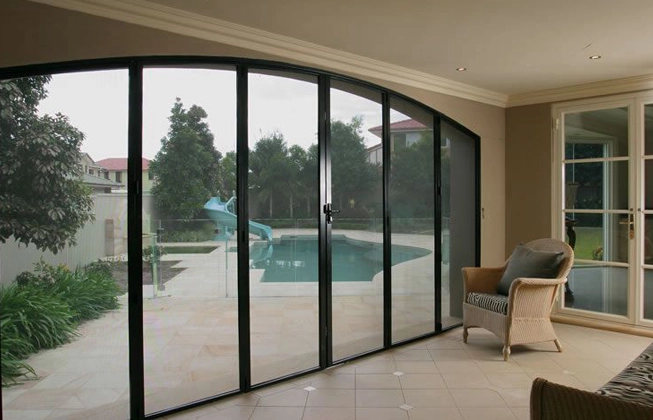
Porch, patio, and pool enclosures
Apartments, hotels, shelters, veterinary facilities, and pet-friendly rentals
Screen doors with repeated indoor-outdoor traffic
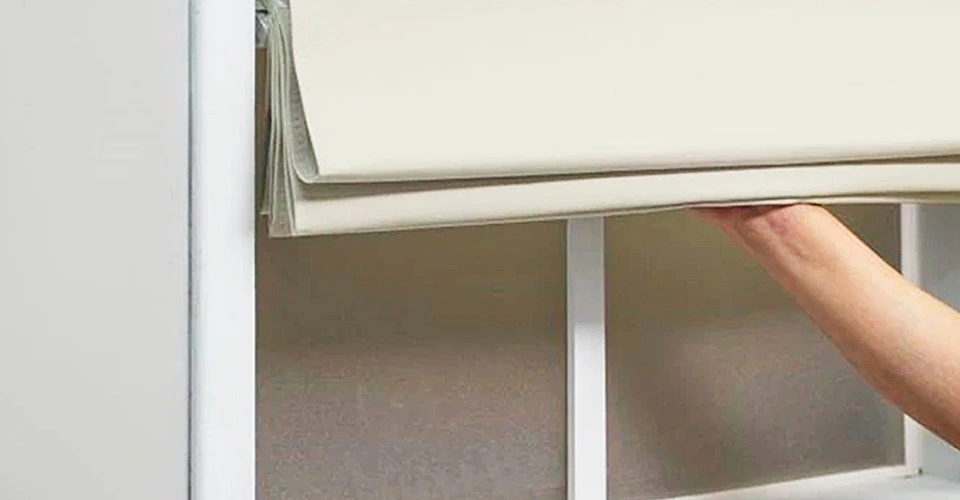
Custom roller or framed screen systems designed for heavier mesh
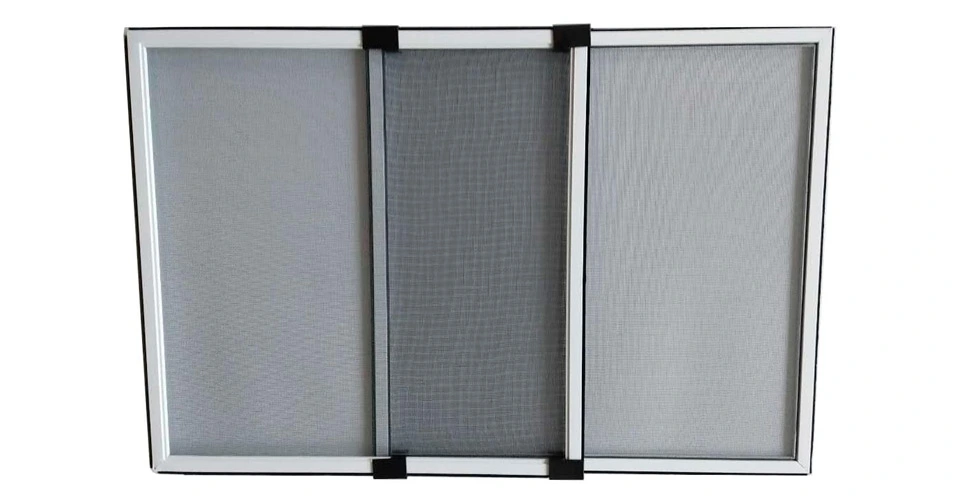
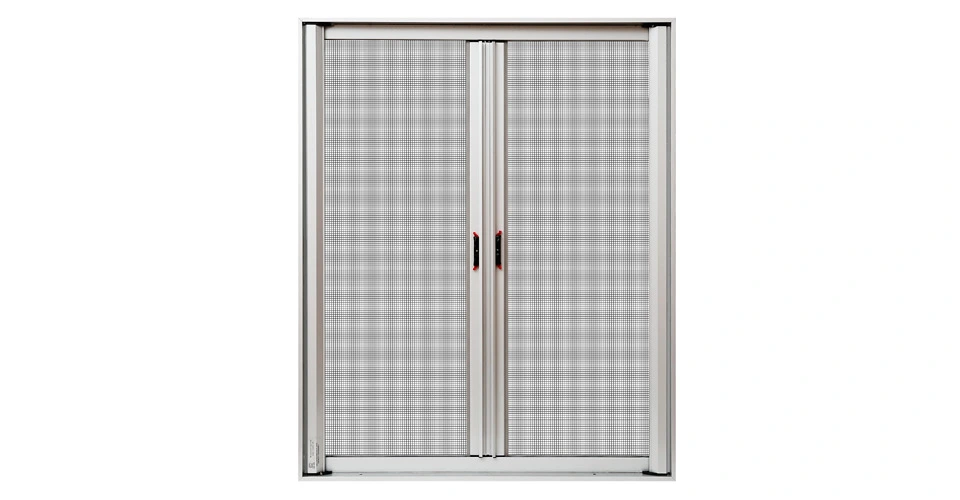
For sliding systems, the mesh must match the frame depth, spline channel, corner strength, and operating hardware. Heavy mesh fitted to a weak or warped frame will not perform reliably. Buyers developing complete units can compare the material with JWFG's sliding window screen systems during sampling. Pet screen can also support insect control when the mesh openings, edge sealing, and frame construction are appropriate. CDC guidance on window and door screens for insect prevention recommends using screens on doors and windows and repairing holes or tears that may allow insects to enter. Actual protection still depends on frame gaps, damaged spline, drainage openings, mesh condition, and overall installation quality.
A useful B2B specification should describe both the material and the intended installation. Asking only for “strong pet mesh” leaves too much room for variation.
Use this checklist when preparing an RFQ:
State the application: window, sliding door, fixed panel, roller system, porch, or patio enclosure.
Confirm the material: polyester yarn, coating type, and destination-market requirements.
Define the construction: mesh count, yarn diameter, fabric weight, thickness, and tolerances.
Provide roll dimensions: width, length, core size, edge condition, and joint policy.
Set performance expectations: request tensile, tear, abrasion, UV-aging, or weathering data where relevant.
Check frame compatibility: test the mesh with the actual spline, groove, roller tube, and profile.
Approve color: assess black or grey samples under daylight and indoor lighting.
Request production samples: use a full-width or framed sample to check flatness and installation.
Clarify packaging: labels, barcodes, carton marks, pallets, and moisture protection.
Discuss OEM requirements: private labels, custom widths, artwork, MOQ, and repeat-order controls.
An inspection plan should cover width, length, weight, broken yarn, coating consistency, color, roll winding, and packaging. An approved reference sample also helps both parties evaluate repeat orders.
Pet screen is more scratch resistant than standard fiberglass mesh, but no flexible screen is impossible to damage. Results depend on yarn thickness, coating, frame tension, pet size, behavior, and whether chewing is involved. “Pet resistant” is the more accurate term.
Thicker yarn creates more visual presence than lightweight insect mesh, but the open weave still permits ventilation. Airflow depends on mesh count, yarn diameter, open area, dust accumulation, and the size of the screened opening.
Yes, provided the frame, spline groove, rollers, and corners can accommodate the heavier material. A trial installation is recommended because some lightweight frames may flex or need a different spline size.
A securely fitted screen can reduce escape and push-through risk, but it is not a substitute for an engineered guard or fall-prevention system. Serious fall hazards require suitable guards, locks, opening restrictors, and secure installation.
Service life varies with sunlight, weather, installation tension, pet activity, cleaning, and coating quality. Buyers should request UV or weathering data for the destination market rather than relying on a universal lifespan claim.
Request a technical data sheet, mesh and yarn details, roll tolerances, color sample, relevant test information, packaging specification, production lead time, MOQ, and a sample installed in the intended frame.
Pet screen is a practical upgrade where ordinary insect mesh faces regular scratching, pushing, and high traffic. The best specification balances resistance, ventilation, appearance, fabrication, frame compatibility, and cost rather than focusing on strength alone. JWFG supplies pet screen mesh for windows, doors, patios, and OEM screen systems. B2B buyers can request specifications, samples, custom roll sizes, bulk quotations, and OEM packaging support. Include the application, mesh requirement, roll dimensions, destination market, expected quantity, and frame type to receive a more accurate proposal.
ASPCA – High-Rise Syndrome: Lifesaving Tips for Cat Parents
Centers for Disease Control and Prevention – Preventing Chagas Disease