


2025-09-16
Learn More
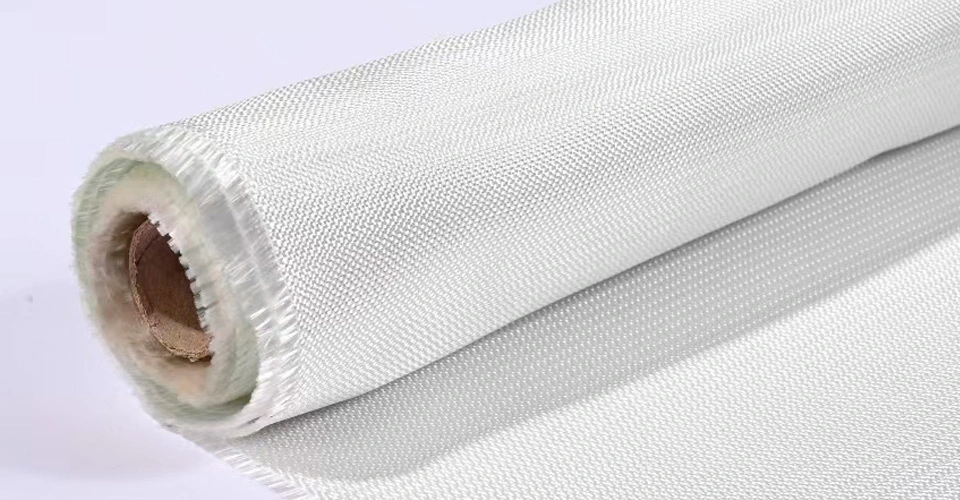
The better choice between polyester and fiberglass screen depends on how the screen will be used. Fiberglass is a practical option for standard insect screens where ventilation, visibility, easy installation and cost control are the main priorities. Polyester-based screens are often selected when a project needs greater resistance to scratching, repeated contact, fine-particle filtration or a specialized screen construction. The phrase polyester vs fiberglass screen can be misleading if material names are compared without looking at the finished construction. A lightweight polyester pollen mesh, a PVC-coated polyester pet screen and a fiberglass insect screen can perform very differently even though all are described as “window screen.” Buyers should compare yarn thickness, coating, mesh count, weight, open area, tensile behavior and installation method before selecting a roll for production.
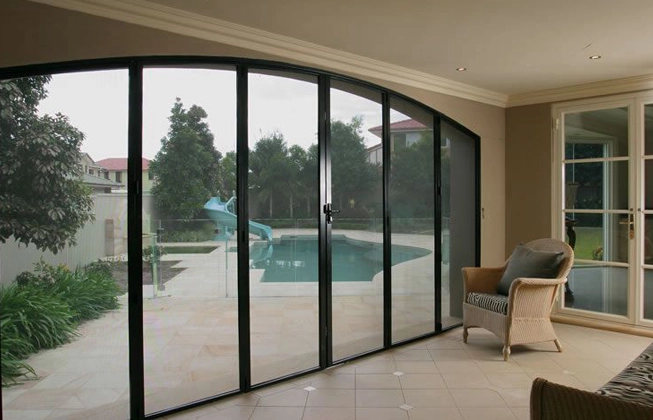
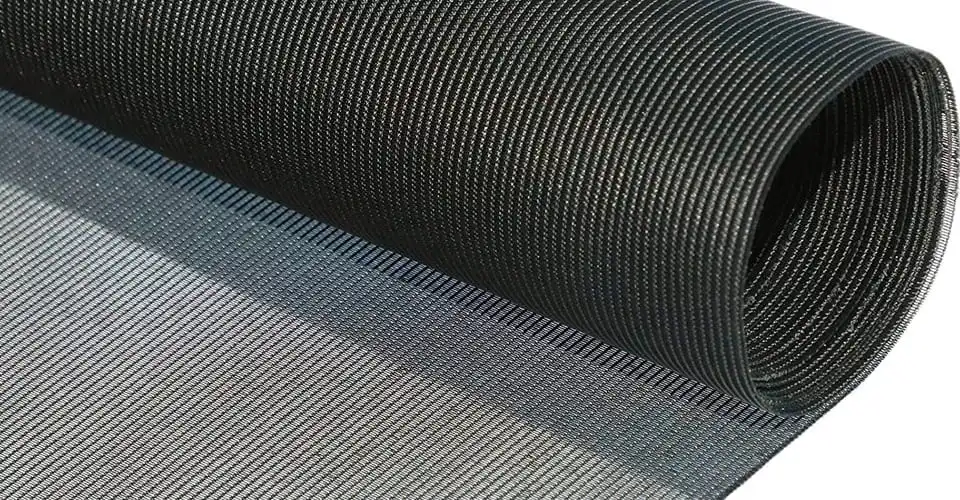
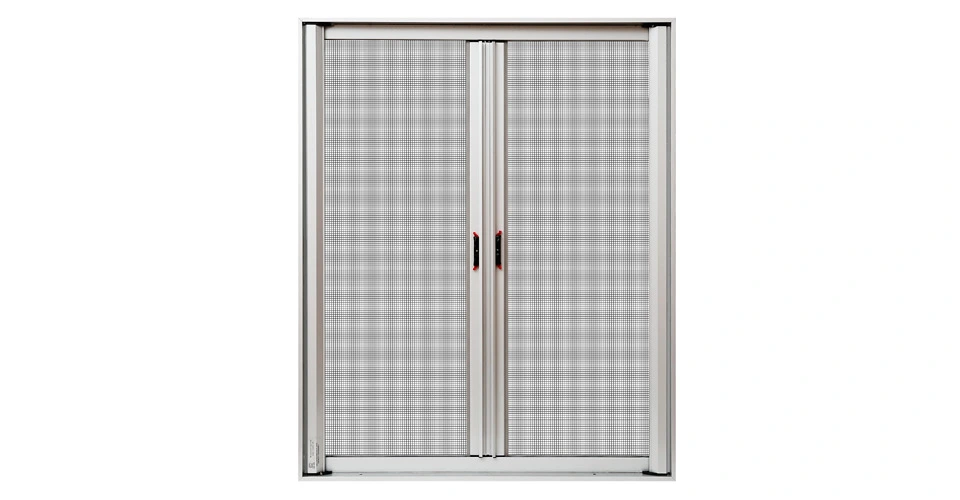
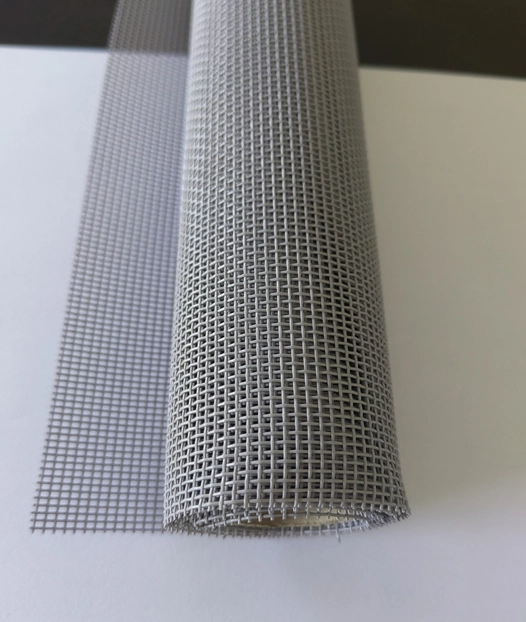
Fiberglass insect screen is commonly used for residential and commercial windows, screen doors and other openings where the primary requirement is keeping insects outside while preserving ventilation. JWFG’s fiberglass insect screen range includes multiple mesh configurations and roll widths for window and door fabrication. JWFG also lists ventilation, dimensional stability and resistance to mosquitoes and flies among the main characteristics of this product category.
“Polyester screen,” however, is not one single specification. For example, JWFG’s pollen screen uses polyester fiber in a fine 17×60 mesh construction intended to reduce pollen and fine-particle entry.
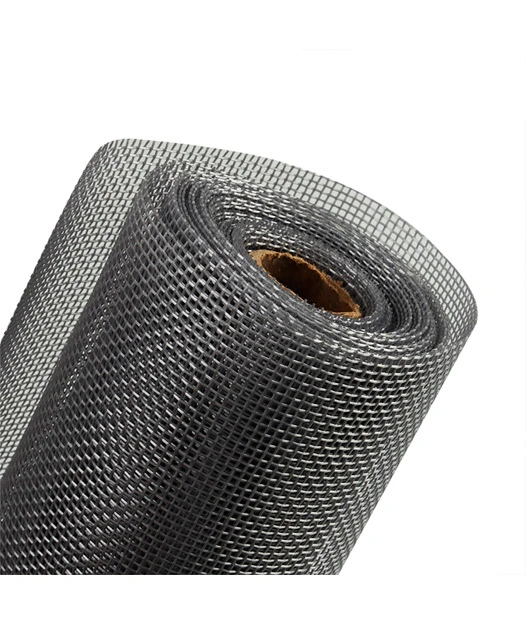
JWFG’s pet screen, by contrast, uses woven polyester yarn with a vinyl or PVC coating. The finished mesh is thicker and heavier than conventional fiberglass insect screen and is designed for locations exposed to scratching, pushing and repeated pet contact.
Solar-screen products add another variation: JWFG offers both polyester+PVC and fiberglass+PVC constructions in its sunshade screen range.
The practical conclusion is simple: base fiber alone does not determine screen performance. The weave, coating, yarn diameter and final product design matter just as much.

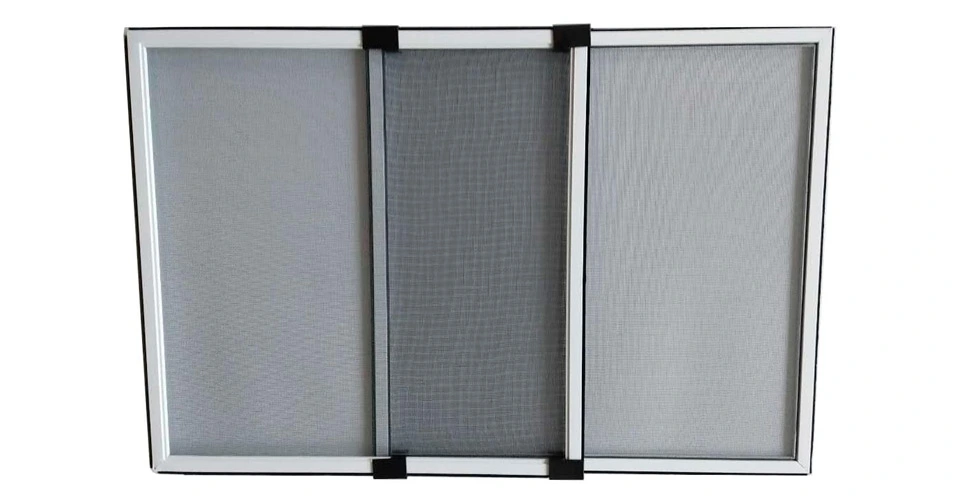
For ordinary windows that experience little physical contact, fiberglass screen provides a useful balance of strength and flexibility. It can be cut to size, fixed with spline and used in standard window or door frames without requiring a heavy-duty mesh structure. JWFG specifies fiberglass insect screen for screen windows, screen doors, sliding doors and courtyards.
Where the mesh will be pushed, scratched or repeatedly touched, a heavier polyester construction may be more appropriate. PVC-coated polyester pet screen uses thicker yarn and is specifically developed for higher-contact locations such as pet homes, patios and sliding doors. This does not mean that every polyester screen is stronger than every fiberglass screen. A lightweight pollen mesh and a heavy pet mesh have completely different performance targets.
Abrasion testing can help when physical wear is important. ISO 12947-2:2016 describes a Martindale method for evaluating fabric abrasion resistance and specimen breakdown. Buyers comparing high-contact textile screen products can use standardized abrasion data, where applicable, instead of relying only on terms such as “heavy duty” or “long lasting.”
Durability should also be evaluated at the complete window level. A strong screen cloth can still fail if the spline, frame or attachment system is poorly matched. ASTM E1748-25 specifically evaluates the engagement between an insect screen and a window under static loading, illustrating why mesh and frame should be treated as one installed system rather than unrelated components.
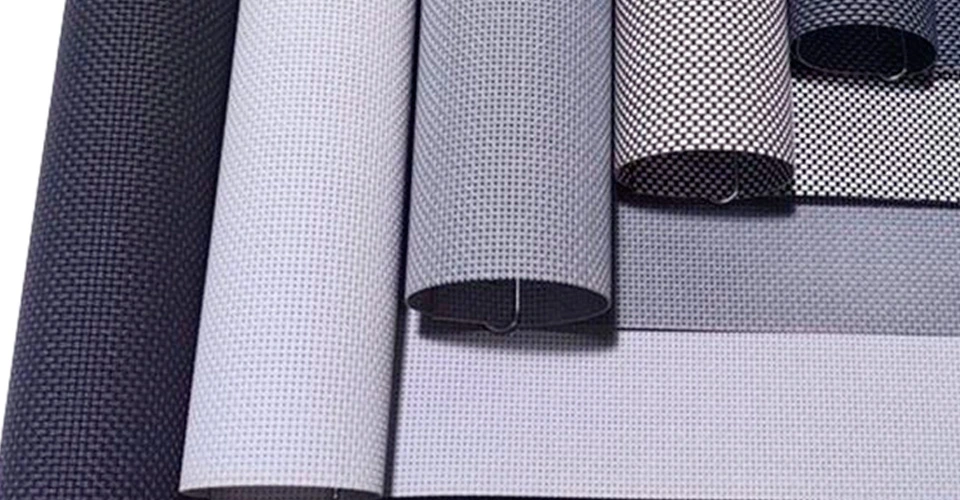
Fiberglass is widely used for standard insect screens partly because relatively open mesh constructions can provide good outward visibility and ventilation. JWFG’s fiberglass range includes common insect-screen mesh specifications such as 16×14, 18×16, 18×18, 20×20 and 25×25.
Polyester can provide equally practical visibility when used in an appropriate construction, but specialized polyester products may deliberately sacrifice some open area for another function. A pollen screen illustrates this trade-off. The much finer 17×60 mesh is intended to intercept smaller particles, so the structure is fundamentally different from a conventional insect screen. Pet screen presents another case. Its thicker coated yarn improves resistance to routine pet contact, but the yarn is visually heavier than conventional fiberglass mesh.
For this reason, buyers should not specify visibility or ventilation simply by saying “polyester” or “fiberglass.” Ask for:
Mesh count
Yarn or wire diameter
Fabric weight
Open-area percentage where available
Air-permeability data
Actual sample visibility from both sides
ISO 9237:1995 provides a standardized method for measuring the air permeability of fabrics, including industrial fabrics used for technical purposes. Air-permeability data can therefore provide a more objective comparison than judging ventilation from mesh photographs alone.
Fiberglass is generally a logical starting point for large standard insect-screen projects because it is designed around routine window and door protection rather than specialized performance. For apartment projects, replacement screens, standard residential windows and general insect-control applications, there may be little reason to pay for a heavier specialty construction.
Polyester-based products become more valuable when the application introduces another performance requirement. Choose PVC-coated polyester pet screen when scratching, repeated pushing or physical contact is a major concern. Choose a fine polyester pollen screen when the main goal is to reduce pollen and fine outdoor particles while retaining natural ventilation.
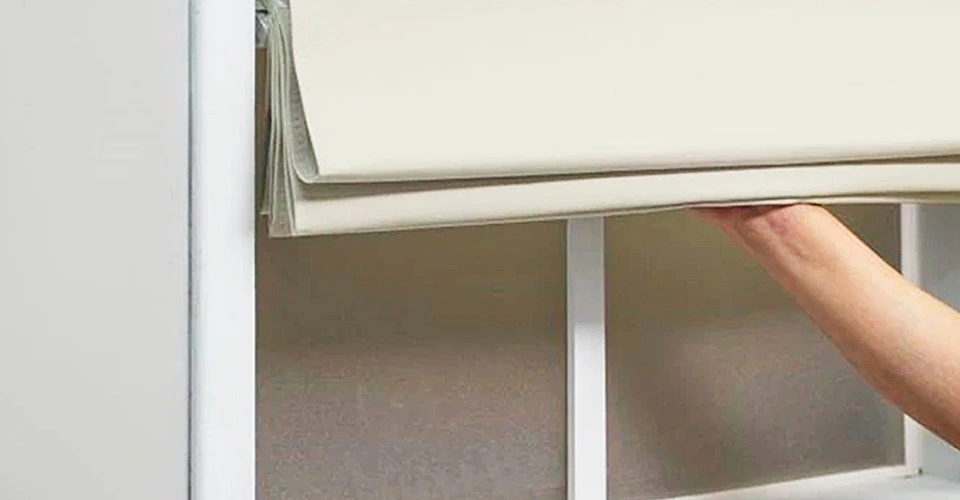
For solar-control applications, compare the finished sunscreen construction rather than assuming one fiber is always superior. JWFG supplies both polyester+PVC and fiberglass+PVC sunshade fabrics, demonstrating that coating, openness factor and product design can be more relevant than fiber name alone. Purchase price per roll should therefore be evaluated together with service conditions. A cheaper standard screen used in a high-contact patio door may require earlier replacement, while specifying heavy pet mesh for every low-contact bedroom window may add unnecessary cost.
| Application | Better Starting Option | Main Reason | Specification to Check |
|---|---|---|---|
| Standard residential window | Fiberglass insect screen | Good balance of ventilation, visibility and insect control | Mesh count, diameter and roll size |
| Apartment or commercial project | Fiberglass insect screen | Suitable for standardized window fabrication | Width tolerance and frame compatibility |
| Home with cats or dogs | PVC-coated polyester pet screen | Better suited to repeated scratching and pushing | Yarn thickness, coating and frame retention |
| Pollen-sensitive room | Fine polyester pollen screen | Smaller openings for pollen reduction | Mesh density and airflow |
| Patio or sliding door | Polyester pet screen where contact is frequent | Higher-contact application | Wear resistance and installation tension |
| Solar-control blind | Polyester+PVC or fiberglass+PVC sunscreen | Performance depends on finished shade fabric | Openness, weight and solar-control specification |
For B2B purchasing, a useful RFQ should state the end use, material construction, mesh count, yarn diameter, weight, roll width, roll length, color, coating requirement, frame type and estimated annual volume. Request samples before final approval. Install both materials in the intended frame and compare airflow, visibility, cutting behavior, spline retention and deformation after repeated handling. This produces a far more reliable decision than comparing fiber names on two supplier quotations.
Not automatically. Heavy PVC-coated polyester pet screen is designed to withstand more routine scratching and contact than conventional fiberglass insect mesh, but lightweight polyester products may have completely different performance targets. Construction and yarn thickness must be compared along with material.
A conventional fiberglass insect screen usually provides good visibility, but visibility depends primarily on mesh count, yarn diameter, color and open area. A fine polyester pollen screen or thick pet screen can appear more noticeable because its structure serves a different purpose.
A more open mesh generally allows easier air movement than a denser structure. Buyers should compare air-permeability data or physical samples rather than assuming polyester or fiberglass automatically provides better airflow. ISO 9237 provides a standardized method for measuring fabric air permeability.
It can be used where pets rarely touch the screen, but a purpose-designed polyester pet screen is generally more appropriate where scratching and pushing occur frequently.
No. Price varies with yarn type, mesh count, coating, weight, roll dimensions and order volume. A fine pollen screen, heavy pet screen and solar-control polyester fabric should not be treated as one price category.
Compare mesh count, yarn diameter, material and coating, fabric weight, airflow, visibility, roll tolerance, color consistency, cutting behavior and compatibility with the target frame and spline system.
ISO — ISO 9237:1995, Textiles: Determination of the Permeability of Fabrics to Air
ISO — ISO 12947-2:2016, Determination of the Abrasion Resistance of Fabrics
ASTM International — ASTM E1748-25, Evaluating the Engagement Between Windows and Insect Screens