





2024-10-31
Learn More
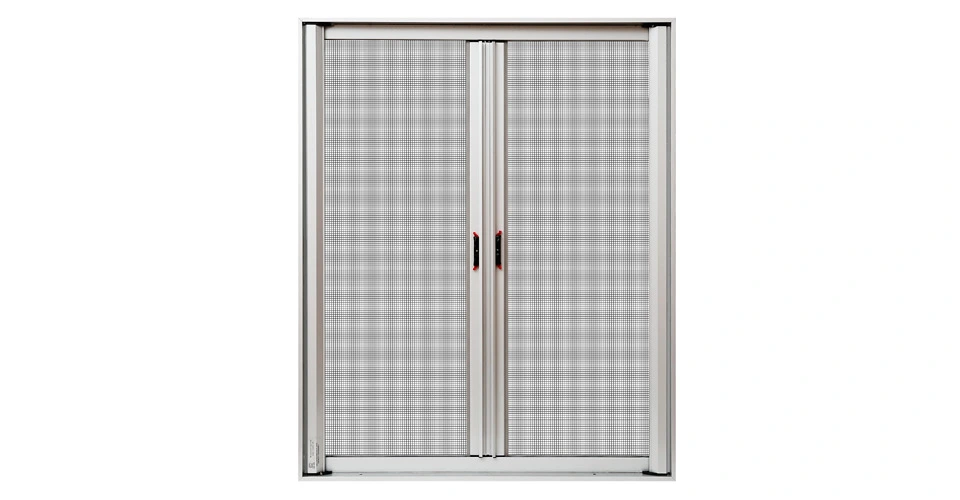
Selecting the right window screen supplier is an important decision for distributors, construction companies, and OEM buyers who require stable quality, consistent specifications, and reliable delivery. Although window screens may appear to be simple products, factors such as mesh material, coating performance, roll dimensions, and production capability directly influence the final application results.
A professional window screen supplier should provide more than standard products. Buyers need a partner that can support material selection, customization requirements, quality control, and international project needs.
For global projects, evaluating suppliers based on manufacturing capability and technical support helps reduce quality issues and improves long-term cooperation.

A reliable supplier should have complete control over product development, manufacturing, and quality management. For large-volume projects, consistency between different production batches is especially important because even small differences in mesh structure, color, or coating may affect installation and customer satisfaction.
When evaluating a supplier, buyers should consider whether the company has sufficient production capacity and technical experience. A professional window mesh factory should be able to provide:
Different mesh materials and specifications
Customized roll sizes and packaging solutions
Stable production capacity for bulk orders
Quality inspection during manufacturing
OEM support for different market requirements
Experienced window screen suppliers can also help customers select suitable materials according to application conditions, such as residential windows, commercial buildings, or industrial projects.
The supplier’s ability to provide consistent quality and flexible customization is often more important than choosing a supplier based only on product price.
Before selecting a supplier, buyers should review the technical characteristics of window screen products. Material selection directly affects durability, flexibility, appearance, and long-term performance.
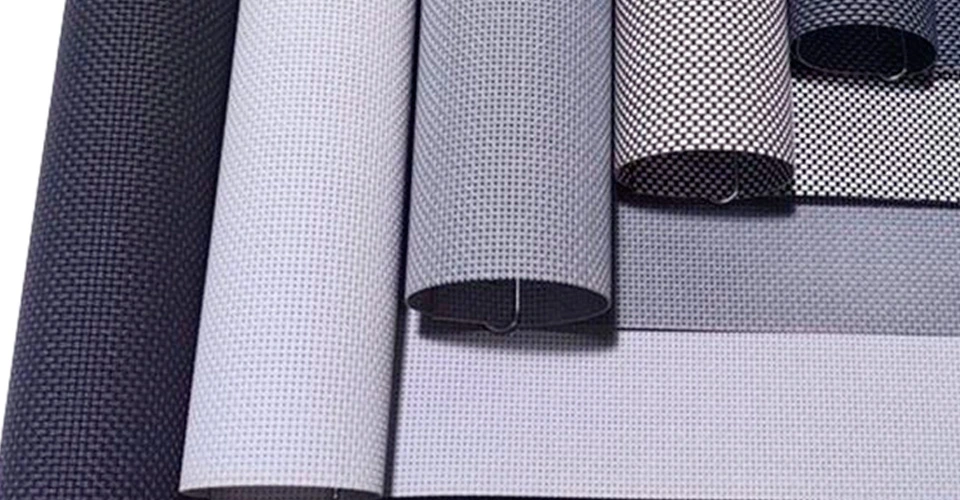
Mesh count is an important factor because it influences airflow, visibility, and protection capability. Different applications may require different mesh structures depending on environmental conditions and user expectations.
| Evaluation Factor | Why It Matters |
| Material type | Determines strength, flexibility and durability |
| Mesh count | Affects visibility, airflow and protection performance |
| Coating | Influences weather resistance and service life |
| Color consistency | Maintains stable appearance across projects |
Coating quality is also important for outdoor applications because continuous exposure to sunlight, moisture, and temperature changes may affect product performance over time.
A professional supplier should have clear quality standards to ensure that products maintain consistent appearance and performance during large-scale production.
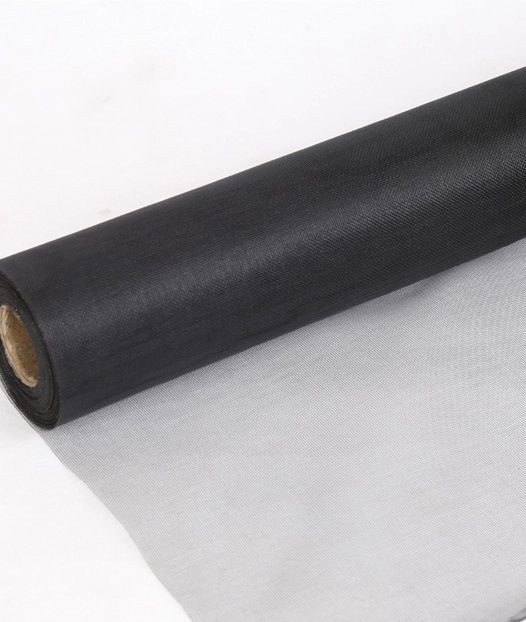
For distributors and industrial buyers, roll specifications directly influence production efficiency and material utilization. Window screen products are often purchased in rolls for further processing, so accurate dimensions are essential.
When purchasing window screen wholesale products, buyers should confirm required roll width, length, tolerance range, packaging method, and application requirements before production begins.
Incorrect roll specifications may increase material waste or create additional processing difficulties. A reliable supplier should clearly define production standards and provide accurate technical information during the quotation stage.
For companies purchasing in large quantities, stable roll dimensions and consistent quality can improve manufacturing efficiency and reduce unnecessary production adjustments.
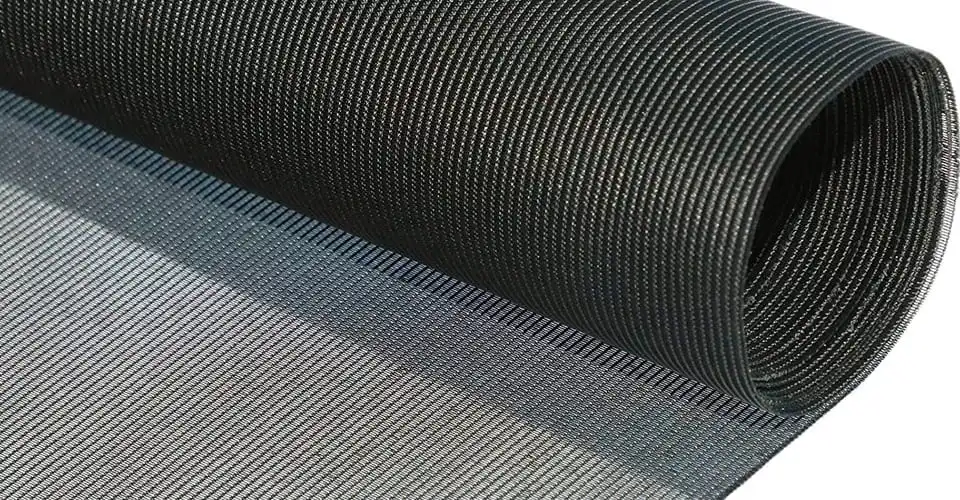
Different projects require different mesh solutions. Fiberglass insect screen is widely used because it provides a balance between durability, flexibility, and cost efficiency.
An experienced insect screen manufacturer should understand the differences between various mesh applications and recommend suitable solutions according to project requirements.
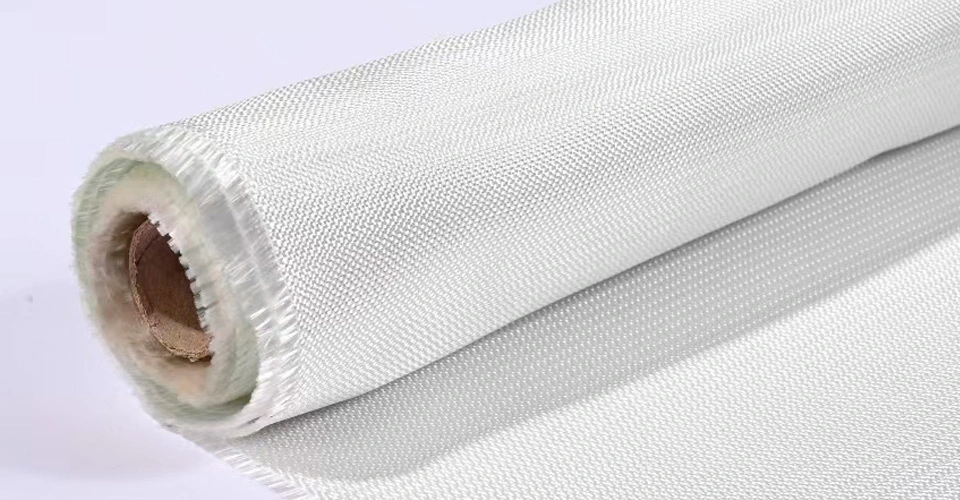
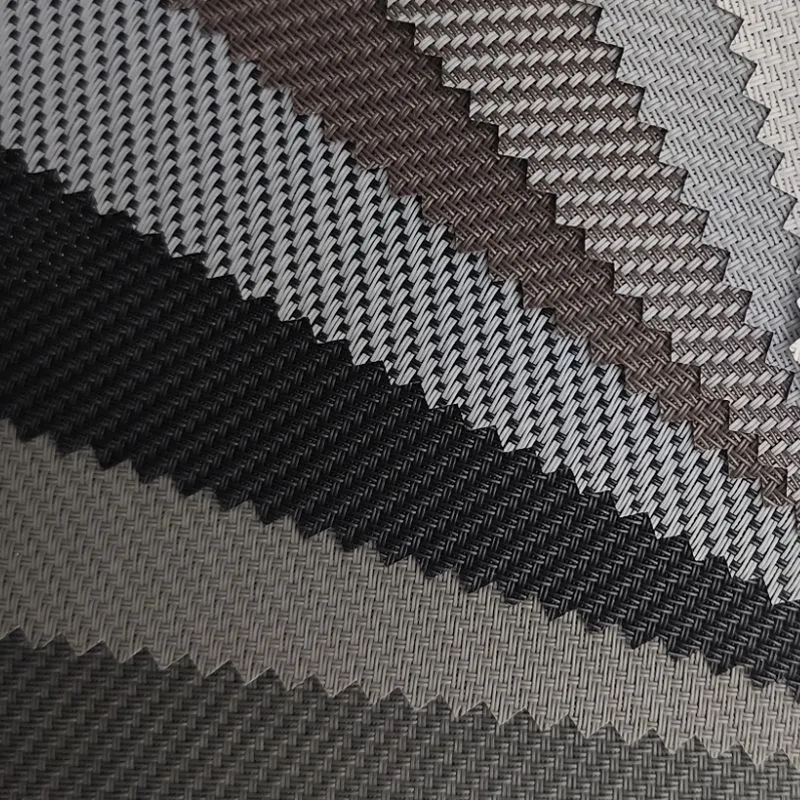
Fiberglass-based products may be suitable for applications requiring lightweight structures and reliable weather resistance, while other mesh options may be selected when higher strength, special appearance, or specific environmental performance is required.
For buyers comparing different products, material selection should be based on application needs rather than choosing only according to initial cost.
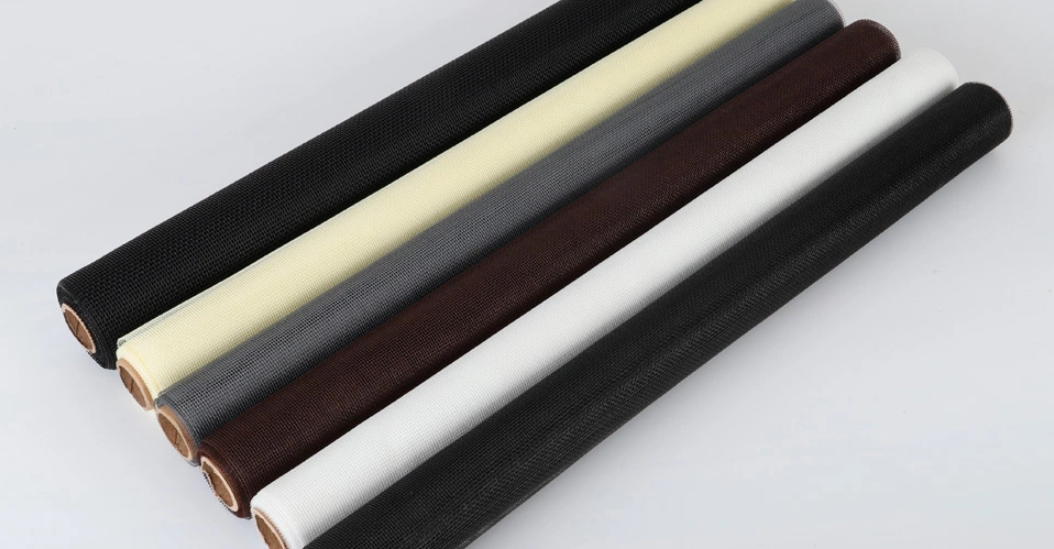
For international buyers, OEM capability and quality management are important factors when selecting a supplier. Before mass production, sample approval allows buyers and suppliers to confirm product specifications, appearance, and performance expectations.
When evaluating fiberglass fabric suppliers, buyers should review:
Production capability and customization support
Sample approval procedures
Quality inspection process
Export documentation
Packaging requirements
Delivery management
A professional supplier should maintain quality control throughout the production process rather than relying only on final inspection.
For global projects, complete documentation and effective communication also help reduce supply chain risks and support long-term cooperation.
Choosing the right window screen supplier requires evaluating manufacturing capability, material quality, customization support, and quality management. A reliable supplier should provide consistent specifications, suitable mesh solutions, and professional support for different project requirements. By reviewing production processes and supplier qualifications, buyers can build more stable supply relationships and achieve better product performance.
Buyers should evaluate material quality, production capability, customization options, inspection procedures, and supplier experience.
Mesh specifications affect airflow, visibility, durability, and protection performance, making them important factors for different applications.
Yes. Many suppliers can customize product sizes, colors, packaging, and specifications according to customer requirements.
Buyers should confirm material specifications, roll dimensions, quality requirements, packaging details, and delivery schedules before production.