


2026-09-13
Learn More
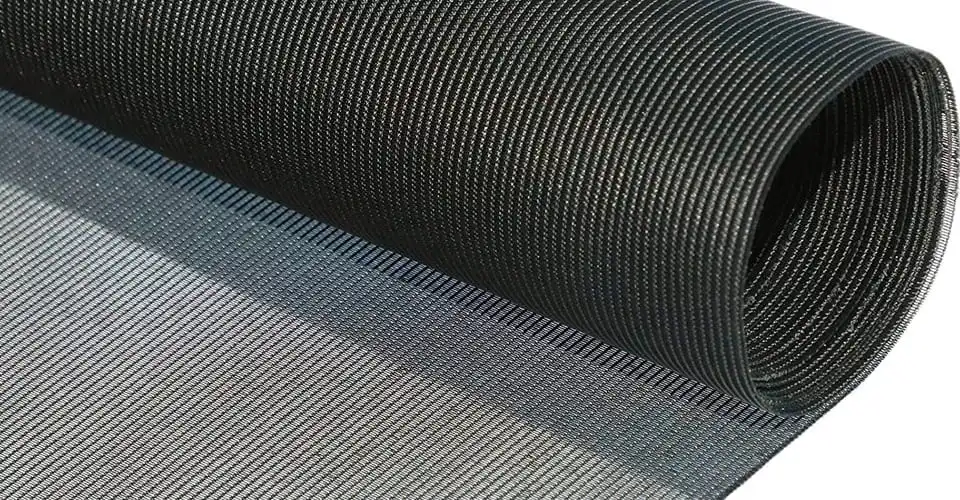
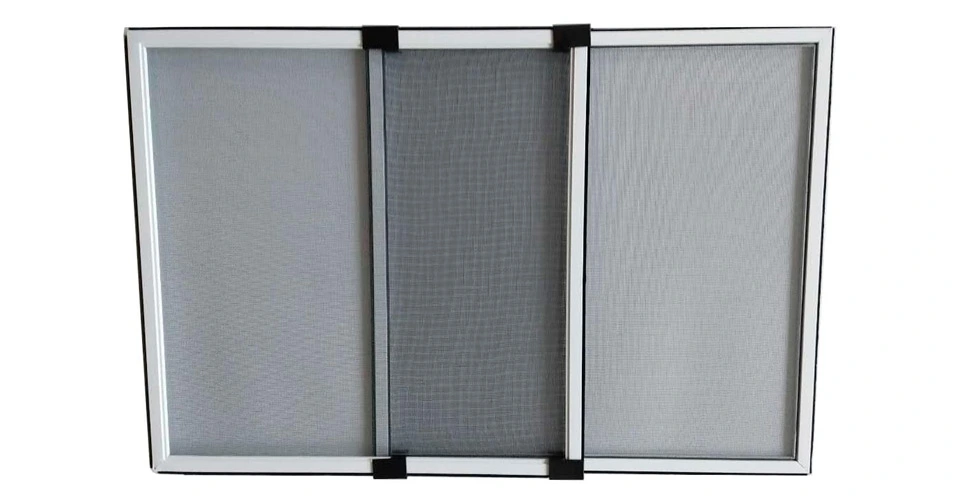
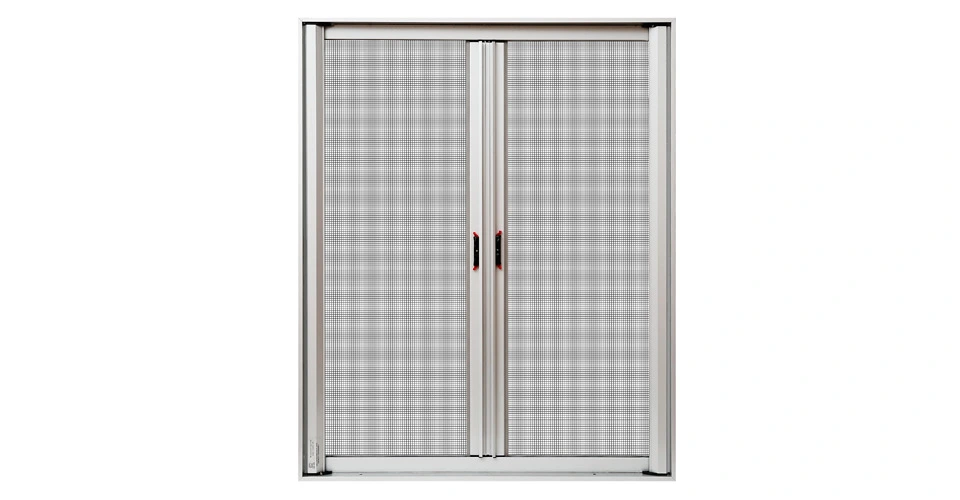
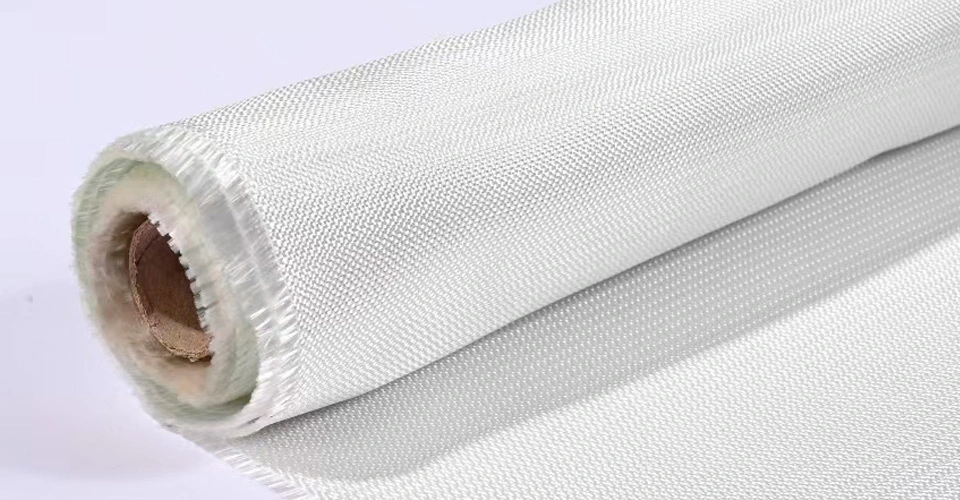
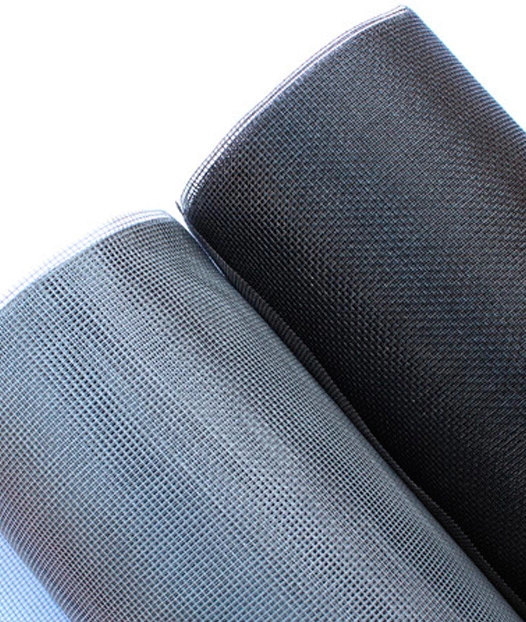
A window screen mesh roll should be selected by matching the material, mesh construction, yarn diameter, roll width, and finished-screen application—not by choosing the highest mesh count or the lowest price per roll. Standard fiberglass mesh works well for general insect screening; heavier polyester-based mesh is more suitable for high-contact areas such as pet doors; fine pollen mesh addresses smaller airborne particles; and solar-screen fabrics are designed around shading rather than ordinary insect protection. For distributors, window manufacturers, and screen fabricators, roll dimensions matter almost as much as the mesh itself. A technically suitable screen can still create excessive waste or fabrication problems if its width, winding, core, edge condition, or tolerance does not fit the production line.
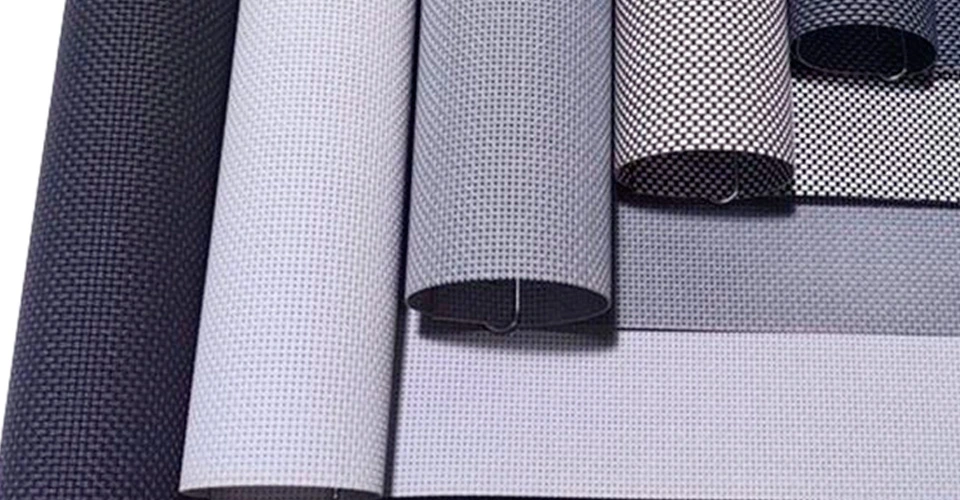
The most common starting point for ordinary windows and doors is fiberglass insect screen. It combines a flexible woven structure with the ventilation and visibility required for residential and commercial openings. JWFG’s fiberglass insect screen range includes several constructions intended for windows, screen doors, and related fabrication projects.
Fiberglass is not the only option, however. Polyester-based pet screen uses a heavier construction for areas exposed to scratching, pushing, and repeated contact. JWFG’s pet screen range includes multiple mesh constructions for windows, sliding doors, patios, and other high-contact openings. Polyester pollen mesh uses a finer structure where reducing pollen and small outdoor particles is more important than maximizing open area. This makes JWFG’s pollen screen relevant for windows in pollen-sensitive residential or commercial environments. Solar-control screens form another category. These products may use fiberglass + PVC or polyester + PVC, but their performance is described by factors such as openness, shading, and glare control rather than insect-screen mesh count alone. JWFG therefore lists sunshade screen separately from standard insect mesh.
The important purchasing lesson is that the word “mesh” does not define a complete specification. Ask for the base fiber, coating, yarn diameter, mesh construction, thickness, and weight.
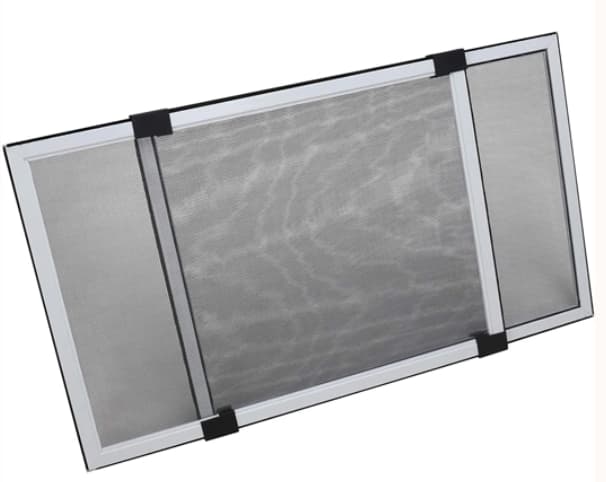
Mesh notation usually describes the number of openings or yarns arranged across the material in two directions. A designation such as 18×16 therefore represents a different structure from 20×20 or 25×25. A finer construction can reduce the size of openings available to insects, but higher mesh count is not automatically better. Increasing the number of yarns in a fixed area can reduce open space, especially when the yarn diameter also increases.
JWFG currently lists fiberglass insect-screen constructions including 18×14, 18×16, 18×18, 20×20, 25×25, and other configurations. Its 25×25 product page, for example, lists several available yarn diameters rather than treating mesh count as the only parameter.
This is why buyers should compare mesh count and yarn diameter together. Consider two screens with the same nominal mesh count. If one uses thicker yarn, it may provide a more substantial structure but also occupy more of the opening. Likewise, a finer mesh made with relatively thin yarn may behave differently from a heavier screen with fewer but thicker strands.
Airflow can be compared more objectively through test data. ISO 9237:1995 describes a method for measuring the air permeability of fabrics and applies to industrial fabrics and other permeable textile materials. Where ventilation is critical, asking for air-permeability data is more useful than judging airflow from product photographs.
Mesh choice should therefore follow the application:
General mosquitoes and insects: conventional insect-screen construction
Smaller insects: finer openings may be required
Pollen: dedicated fine pollen mesh
Pets: thicker, stronger specialty mesh
Solar control: screen selected by openness and shading specification
The CDC also notes that common screens may not be fine enough for some biting midges and specifically refers to 20×20 mesh when discussing protection against those smaller insects. This illustrates why the target pest matters when selecting an opening size.
When ordering a window screen mesh roll, calculate the required width from the finished screen panel—not simply from the nominal window opening. A screen fabricator needs additional material for gripping, tensioning, spline installation, edge trimming, and normal cutting variation. Ordering a roll that barely matches the visible opening can create unnecessary scrap or make production difficult.
JWFG’s current 25×25 fiberglass screen specification lists widths ranging from 0.6 m through several intermediate sizes up to 3.0 m, along with multiple roll-length options. Custom dimensions are also listed as available. Exact availability should still be reconfirmed for the selected construction because not every mesh and diameter combination necessarily uses the same production dimensions.
A B2B RFQ should therefore state:
Required usable roll width
Roll length
Mesh count
Yarn or wire diameter
Material and coating
Color
Maximum width and length tolerance
Core diameter, if relevant to production equipment
Edge condition
Acceptable joints or splices per roll
Roll winding and flatness requirements
Individual roll and master-carton labeling
Roll width also affects material utilization.
Suppose a factory regularly cuts 1.15 m-wide panels. A 1.20 m roll may create much less edge waste than a substantially wider roll if the remaining strip cannot be used elsewhere. On the other hand, a wider roll can be more efficient when different screen sizes are nested across the material. For large orders, request a trial roll rather than approving production from a small hand sample. A hand sample can show color and mesh construction, but it cannot reveal winding tension, telescoping, edge damage, or full-width flatness.
The intended installation should determine the mesh before price comparison begins. A standard residential bedroom window normally needs insect protection, ventilation, and reasonable visibility. Heavy pet mesh would add unnecessary material if the screen receives no physical contact. A sliding patio door in a pet-friendly home has different requirements. Repeated scratching and pushing make stronger polyester-based mesh more relevant. Likewise, pollen-sensitive rooms need a finer structure, while exterior solar-control systems are selected primarily according to solar and openness requirements.
| Application | Recommended Starting Point | Main Priority | Key Specification |
|---|---|---|---|
| Standard home window | Fiberglass insect screen | Insect control and airflow | Mesh count + yarn diameter |
| Apartment project | Fiberglass screen roll | Consistent fabrication and cost | Roll width and tolerance |
| Small-insect area | Fine insect mesh | Smaller openings | Mesh size and airflow |
| Pet home / sliding door | Polyester pet screen | Scratch and contact resistance | Yarn thickness and frame fit |
| Pollen-sensitive room | Polyester pollen screen | Fine-particle interception | Mesh density and airflow |
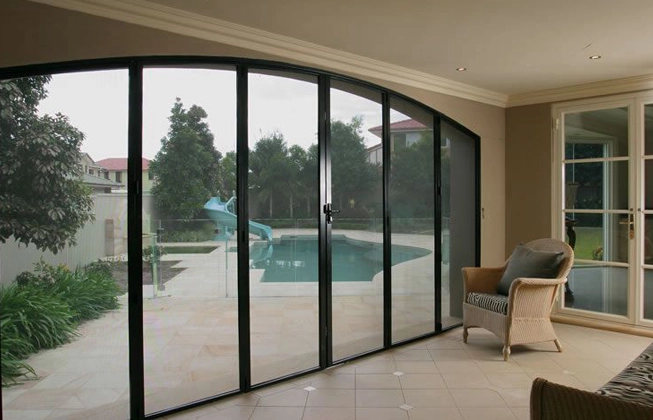
| Patio / pool enclosure | Fiberglass or specialty mesh | Larger screened area | Width, stability, and frame system |
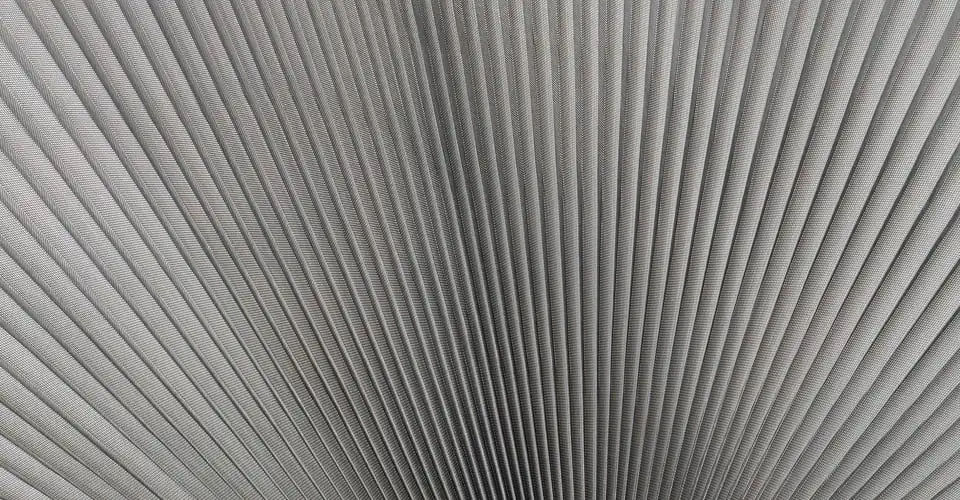
| Solar-control window | PVC-coated solar screen | Heat, glare, and privacy control | Openness and fabric weight |
For mosquito control, the CDC recommends using screens on windows and doors and repairing holes that allow mosquitoes to enter. This also highlights an important point for buyers: mesh performance depends on the complete installed screen. Gaps, torn edges, or poor frame engagement can undermine an otherwise suitable fabric. ASTM E1748-25 evaluates engagement between a window and its insect screen under static loading. For finished-screen manufacturers, this is a useful reminder that roll material, frame profile, spline, and attachment system should be tested together rather than treated as independent components.
Fiberglass is a common choice for standard insect-screen windows and doors because it provides a practical balance of ventilation, visibility, flexibility, and cost. Specialized applications may instead require polyester pet mesh, pollen mesh, or solar-screen fabric.
Not universally. A 20×20 structure has finer openings, which may be useful against smaller insects, but mesh count also affects airflow and visibility. Yarn diameter and total open area should be compared before deciding.
It can. More yarns within the same area generally leave less open space when other variables remain similar. Yarn diameter also matters, so air-permeability data or an installed sample provides a better comparison than mesh count alone.
Start with the finished frame dimensions and add the material required for installation, tensioning, and trimming. Then compare panel nesting and expected edge waste across different available roll widths.
Check roll width and length, mesh construction, yarn diameter, weight where specified, color, coating consistency, broken yarns, edge quality, winding, flatness, labeling, and packaging. Compare production against an approved reference sample.
Yes. A roll sample alone cannot confirm spline fit, installation tension, frame retention, or finished-screen operation. Trial installation is particularly important when changing mesh weight or moving from standard fiberglass to a heavier specialty fabric.
ISO — ISO 9237:1995, Textiles: Determination of the Permeability of Fabrics to Air
Centers for Disease Control and Prevention — Preventing Mosquito Bites