


2022-05-09
Learn More
Choosing the right fiberglass fabric requires more than comparing gsm or assuming that a denser cloth is always better. For industrial buyers, glass type, areal weight, weave, density, surface treatment and final application all influence performance and purchasing cost.
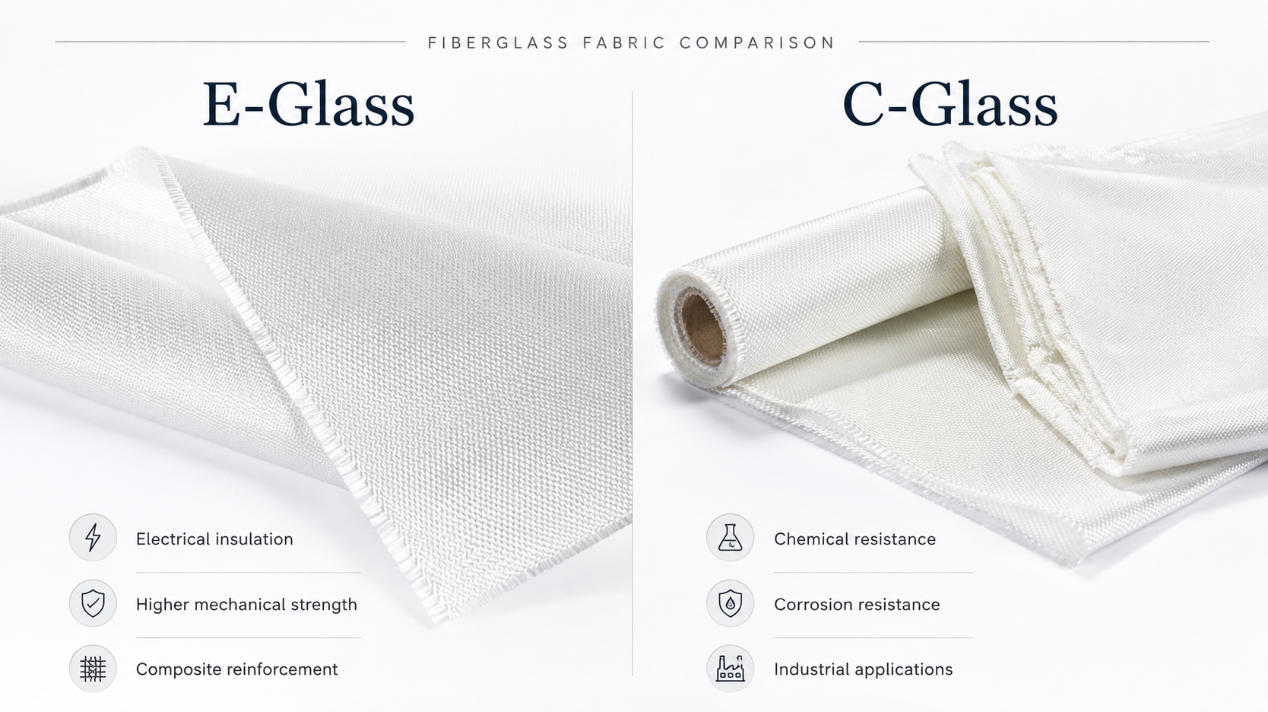
E-glass is widely used where mechanical performance and electrical insulation are important, while C-glass is commonly selected where chemical and corrosion resistance deserve more attention. Weight and weave then influence handling, resin impregnation, flexibility and finished laminate thickness.
For B2B procurement, the better approach is to define the working environment first and then select the glass type, gsm and weave around those requirements.
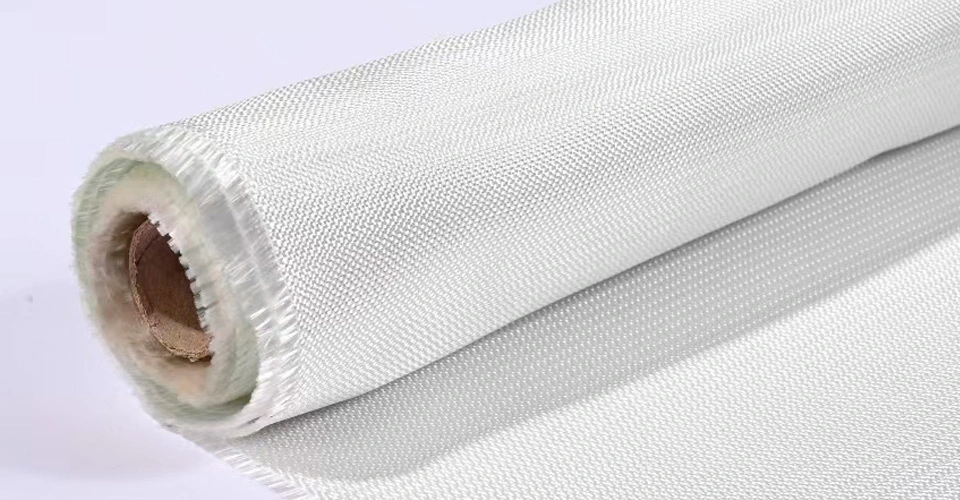
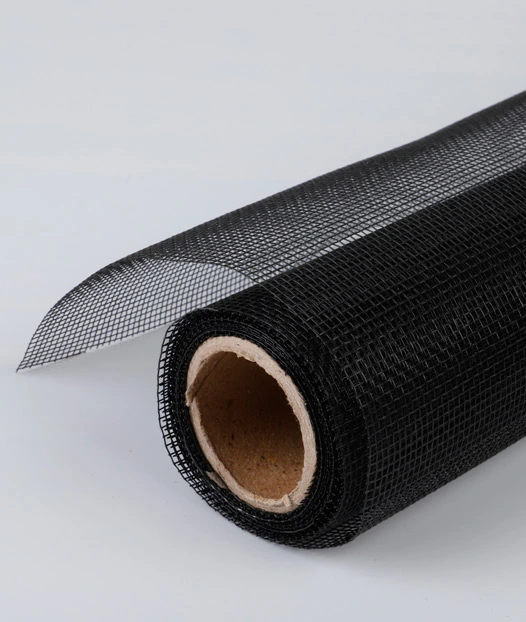
Fiberglass fabric is a woven material made from glass-fiber yarns for reinforcement, insulation and composite processing, while fiberglass mesh generally has a more open structure.
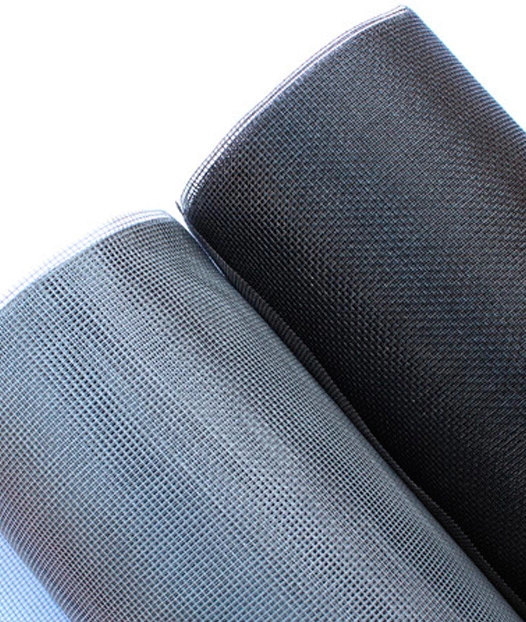
“Fiberglass fabric” and “fiberglass cloth” are often used interchangeably in industrial purchasing. Unlike insect-screen or construction mesh with visibly open apertures, woven fabric usually provides greater fiber coverage and is designed around reinforcement, resin compatibility or thermal performance.
Important specifications include glass type, gsm, weave, warp/weft density, yarn structure and surface treatment.
JWFG's fiberglass fabric range includes plain-woven products at different weights and densities, allowing buyers to select the construction according to downstream lamination, reinforcement or insulation requirements rather than relying on one universal fabric.
C-glass and E-glass differ mainly in chemical composition and the performance characteristics that result from that composition.
The “E” in E-glass is historically associated with electrical applications. As summarized in this ScienceDirect overview of glass fiber, E-glass combines useful mechanical properties with strong electrical-insulation characteristics, which helps explain its widespread use in composites and industrial reinforcement.
C-glass places greater emphasis on resistance to chemical attack and corrosion. This makes it relevant where fiberglass may contact acidic, corrosive or chemically aggressive environments.
For buyers comparing fiberglass cloth c glass with E-glass fabric, the choice should therefore follow operating conditions. E-glass may suit structural reinforcement and electrical insulation, while C-glass can be more appropriate where chemical resistance is a key requirement.
Fiberglass cloth material consumption is commonly expressed in grams per square meter, or gsm, which indicates how much fiber mass is present in each square meter of fabric.
Higher gsm means more material per unit area, but it does not automatically guarantee better performance. A heavier fabric can build laminate thickness faster and may reduce the number of layers required, but it can also increase resin consumption, finished weight and handling difficulty.
Lighter fabric can be useful when greater drape or finer control of laminate thickness is needed, especially around complex shapes.
This is why buyers should compare gsm with weave, yarn structure and end-use requirements. A 420gsm fabric is not inherently “better” than a 260gsm product; it simply serves a different balance of reinforcement, thickness and processability.
Fiberglass density and weave influence dimensional stability, drape, resin flow and load distribution, so denser construction should not automatically be interpreted as higher quality.
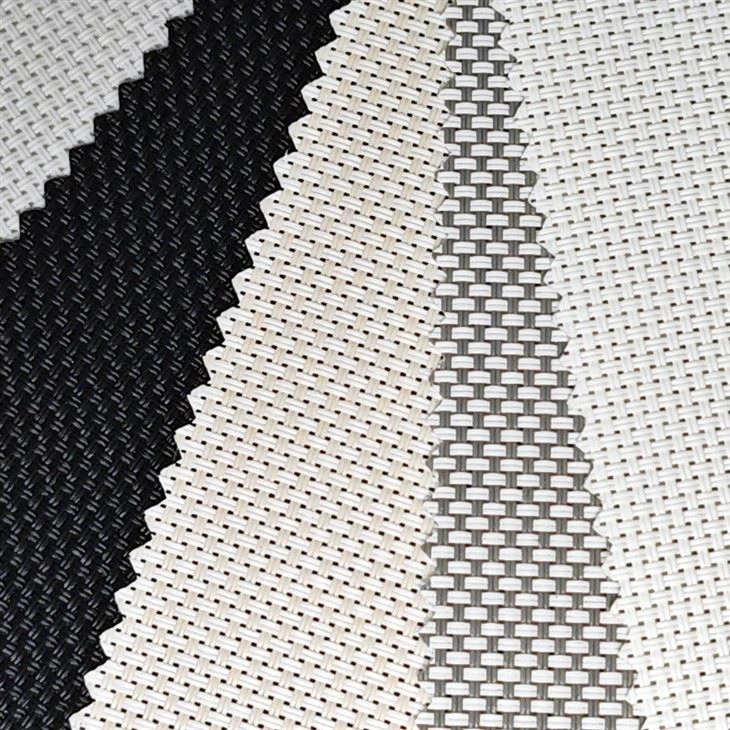
Plain weave interlaces warp and weft yarns alternately, creating a balanced and stable structure commonly used in industrial fiberglass fabric.
Fabric architecture also affects the final composite. Research on woven glass-fiber composite behavior shows that woven structure can influence mechanical response, which is why weave should be selected together with the loading direction and manufacturing process.
A tighter fabric can provide greater surface coverage and dimensional stability, whereas a more open construction may offer easier resin penetration or greater flexibility. Fiberglass density therefore needs to be considered together with gsm rather than as a standalone purchasing indicator.
JWFG's 260gsm, 350gsm and 420gsm products illustrate how weight and density can be combined differently for specific industrial requirements.
| Product | Weight | Density | Main Selection Consideration |
|---|---|---|---|
| C-Glass Fabric | 260 g/m² | 10×10 | Lighter construction and layer control |
| C-Glass Fabric | 350 g/m² | 7×7 | Mid-weight with more open listed density |
| E-Glass Fabric | 420 g/m² | 19×12 | Heavier and denser reinforcement |
The 420gsm option may reduce the number of reinforcement layers required in some applications, while 260gsm may offer easier handling or more gradual laminate buildup.
Likewise, the 350gsm product should not simply be viewed as the middle “quality level.” Its different density changes the fabric structure, so selection should consider resin system, required flexibility and finished component design.
The best fiberglass fabric depends on the required combination of mechanical strength, chemical resistance, thermal stability and processing characteristics.
Typical selection directions include:
Construction: fiberglass fabric for building can support reinforcement and durable woven applications.
Composite reinforcement: E-glass is commonly considered where mechanical reinforcement is the main priority.
Chemical environments: C-glass can be considered where corrosion or chemical exposure is significant.
Thermal insulation: Glass-fiber fabrics can support applications requiring heat resistance and dimensional stability.
Marine or molded products: Fabric drape, resin wet-out and geometry become particularly important around curved parts.
The application should therefore determine the specification rather than selecting fabric only from the available gsm values.
A complete fiberglass-fabric RFQ should define glass type, weight, weave and application so suppliers can quote comparable products.
Buyers should provide:
Glass type: C-glass, E-glass or another specified chemistry.
Weight: for example 260, 350 or 420 g/m².
Weave and density: including warp/weft requirements.
Width and roll length: standard or customized.
Surface treatment: particularly where resin compatibility matters.
Quantity: rolls, square meters or annual demand.
Application: construction, composite, insulation, marine or another industrial use.
This information is also important when comparing fiberglass cloth price. A lower quotation may reflect a different gsm, density, roll length or treatment rather than a genuine cost advantage.
Selecting fiberglass fabric should start with the final application and then move to glass type, gsm, weave and density.
C-glass is useful where chemical and corrosion resistance matter, while E-glass is widely used for mechanical reinforcement and electrical-insulation applications. Different 260gsm, 350gsm and 420gsm constructions also affect handling, laminate buildup and resin consumption.
For B2B buyers, comparing identical specifications is therefore much more useful than simply choosing the heaviest fabric or lowest price per roll.
C-glass emphasizes chemical and corrosion resistance, while E-glass is widely used for mechanical reinforcement and electrical insulation.
No. Performance also depends on glass type, weave, yarn orientation and the finished composite structure.
Gsm means grams per square meter and represents the fabric's areal weight.
Not necessarily. Density should match the required flexibility, resin flow and structural performance.
Glass type, gsm, weave, density, treatment, roll size, order quantity and customization can all affect price.