


2026-07-16
Learn More
A retractable screen window is usually the better choice when homeowners or building projects want the screen to disappear when it is not needed, while a sliding window screen is often simpler when the priority is straightforward insect protection, easy installation and lower mechanical complexity. Both systems can allow fresh air through while helping keep insects outside, but they differ significantly in how the mesh moves, how much frame space they require and how much maintenance the moving components need. For buyers, the choice should start with the actual window opening. Consider the window type, available track or frame space, opening frequency, screen dimensions, mesh material, visibility requirements, installation method and access for future cleaning or replacement.
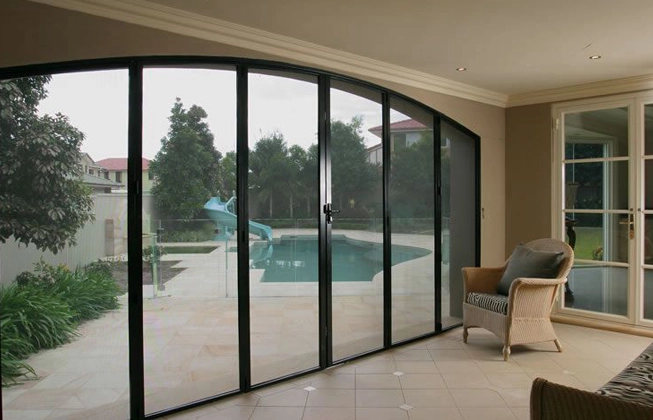
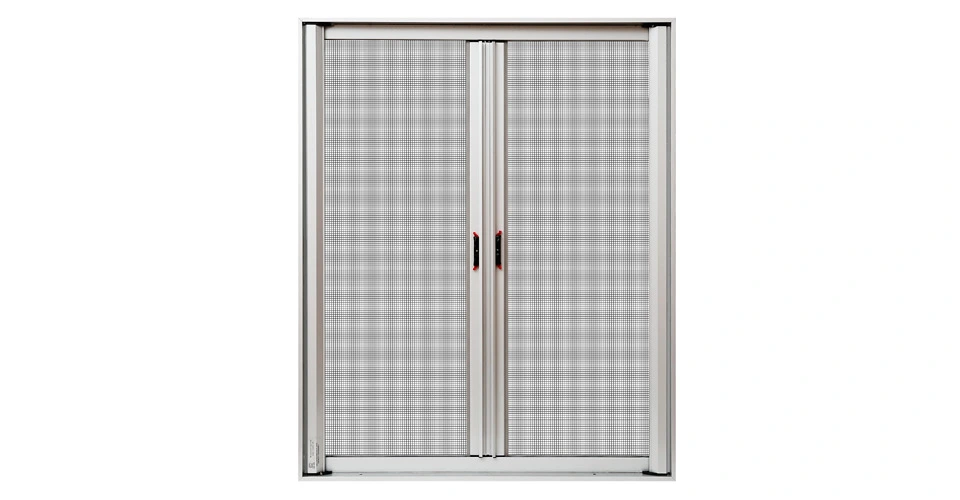
A retractable screen window stores the screen when it is not in use. Depending on the design, the mesh may roll into a housing or fold into pleats along a track. The main advantage is that the opening can remain visually unobstructed when insect protection is not required.
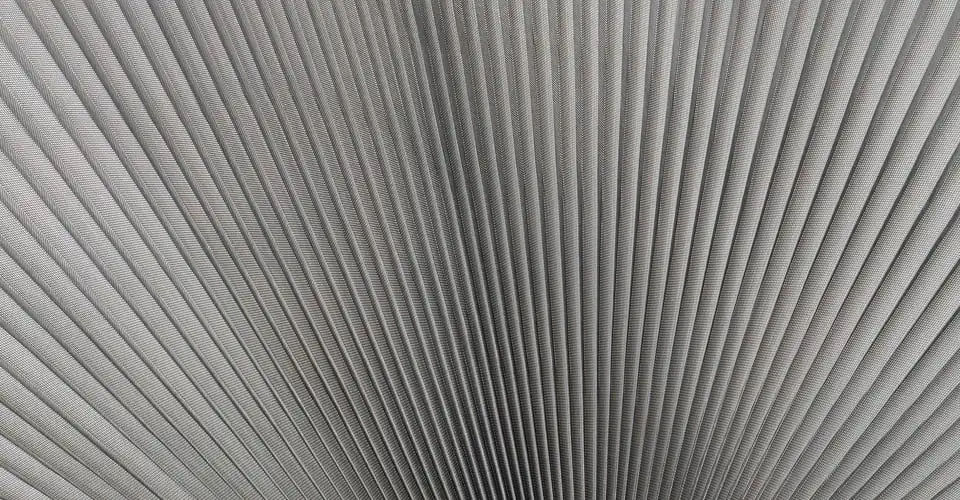
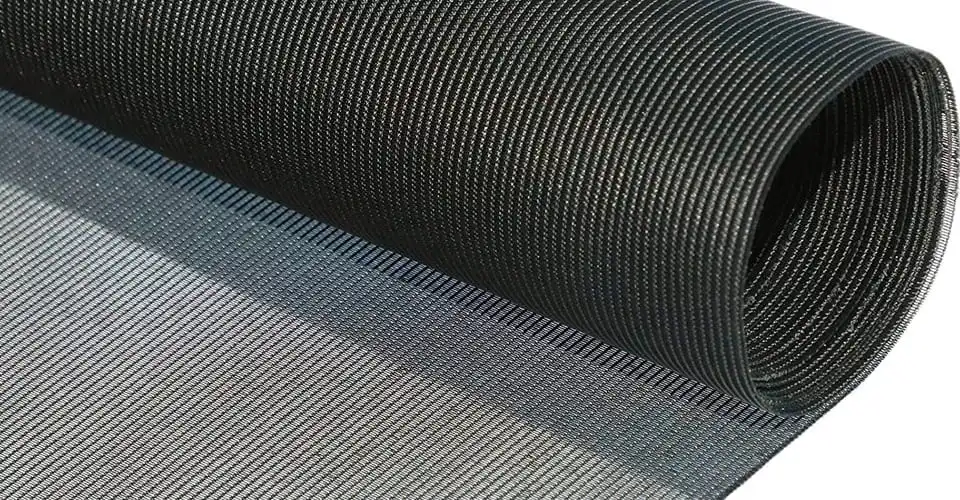
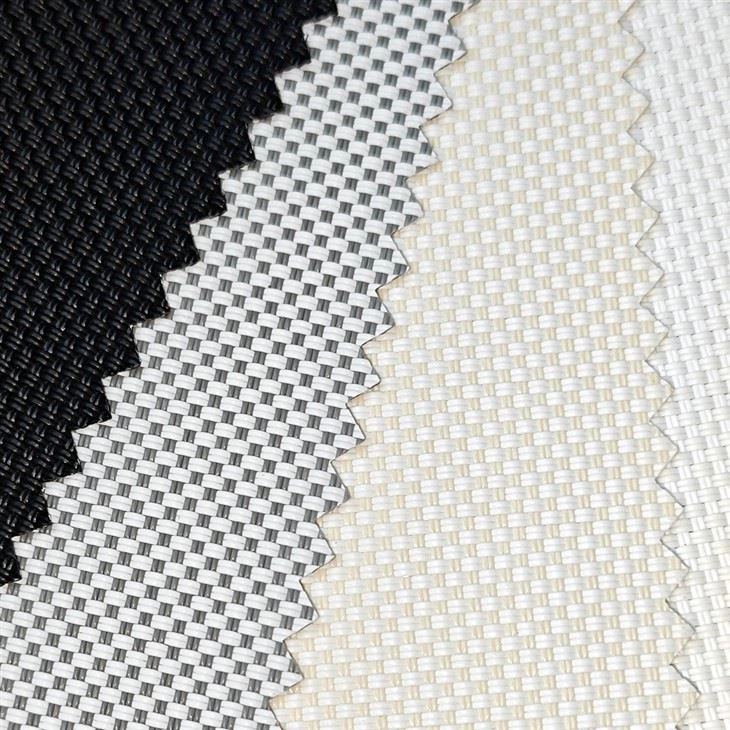
JWFG’s Plisse Screen uses a pleated structure intended for retractable systems. The mesh folds and expands along the opening rather than remaining permanently stretched across the frame. JWFG lists the range for residential windows, office buildings, patio doors and other applications where a space-saving screen system is useful.
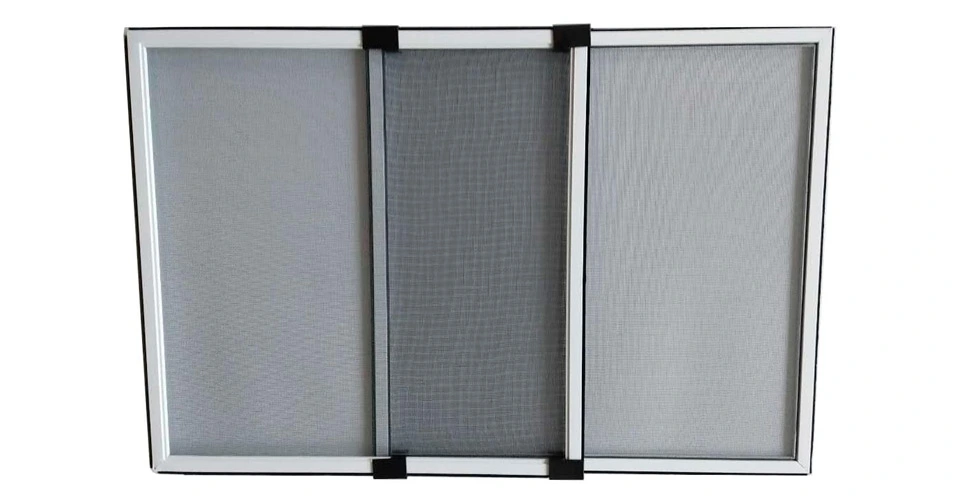
A sliding screen works differently. Instead of disappearing into a housing, a framed screen panel moves horizontally or is adjusted within the opening. JWFG’s Sliding Window Screen range uses fiberglass insect mesh within an adjustable structure and is designed for applications including bedrooms, living rooms, kitchens, balconies and other ventilated openings.
The distinction matters because “retractable” and “sliding” describe the screen system, not simply the mesh material. Fiberglass, polyester and other screen materials may be incorporated into different operating mechanisms.

A sliding screen is often easier to specify when the existing window already has a suitable track or when an adjustable insert can sit directly within the opening.
JWFG’s sliding screen products are designed for use with wood, metal and vinyl windows, including double-hung window configurations and some rolling-door applications. The adjustable structure allows the panel dimensions to be changed within the supported range rather than requiring a permanent screen housing. For example, JWFG’s 100×65 Sliding Window Screen uses an aluminum-profile frame, fiberglass insect screen and nylon accessories. The product page lists several customizable sizes and a left-and-right double-opening configuration.
Retractable systems require different checks. Buyers need to confirm:
Space available for the housing or folded mesh
Track depth and alignment
Opening direction
Maximum screen width and height
Handle position
Bottom-track requirements
Clearance from blinds, curtains or window hardware
Pleated retractable screens can be particularly useful on wider openings because the folded mesh occupies relatively little storage space when closed. JWFG describes its plisse mesh as suitable for retractable mechanisms and large sliding-window or French-door systems. Neither system should be ordered only from the nominal window size. Measure the actual mounting opening, track dimensions and usable clearance before confirming production.
The main everyday advantage of retractable screening is flexibility. When the window is closed for winter, air conditioning or weather protection, the mesh can be retracted rather than remaining continuously in front of the glass. This can be useful where the outdoor view matters or where screens are needed only seasonally.
A sliding panel remains physically present in its track. It may cover only part of the window depending on the configuration, but it does not normally disappear into a compact housing. Its simpler mechanism can be an advantage in projects where screen panels need to be removed, cleaned or replaced with minimal hardware. Maintenance requirements also differ.
For a sliding screen, inspect:
Frame squareness
Track cleanliness
Mesh tension
Spline or mesh retention
Damaged corners
Smooth panel movement
For a retractable system, also inspect:
Guide tracks
Pleat alignment or roller operation
Handle movement
Housing cleanliness
Return or closing mechanism
Mesh edges where they enter the track
JWFG advises cleaning tracks and moving components before applying suitable lubricant to its sliding-screen mechanisms. Dust or debris within moving areas can interfere with operation over time. Whichever design is selected, the screen must remain properly engaged with the window. ASTM E1748-25 provides a test method for evaluating engagement between a window and its insect screen under static loading, emphasizing that the finished screen and window should be considered as an integrated system.
Sliding screens generally have fewer operating components than fully retractable systems. This can simplify manufacturing, installation and replacement, although actual cost still depends on size, aluminum profile, mesh specification, hardware and customization. Retractable systems add tracks, folding or rolling mechanisms and additional hardware, so buyers should compare lifecycle suitability, not simply unit price.
A retractable screen is worth considering when:
The screen is used only during certain seasons
An unobstructed view is important
The project uses large or premium window openings
Users frequently switch between screened and unscreened positions
Interior design favors concealed hardware
A sliding screen is often practical when:
Insect protection is required regularly
The window already supports a sliding panel
Simple replacement is important
Budget control is a major consideration
The project requires standardized screen sizes
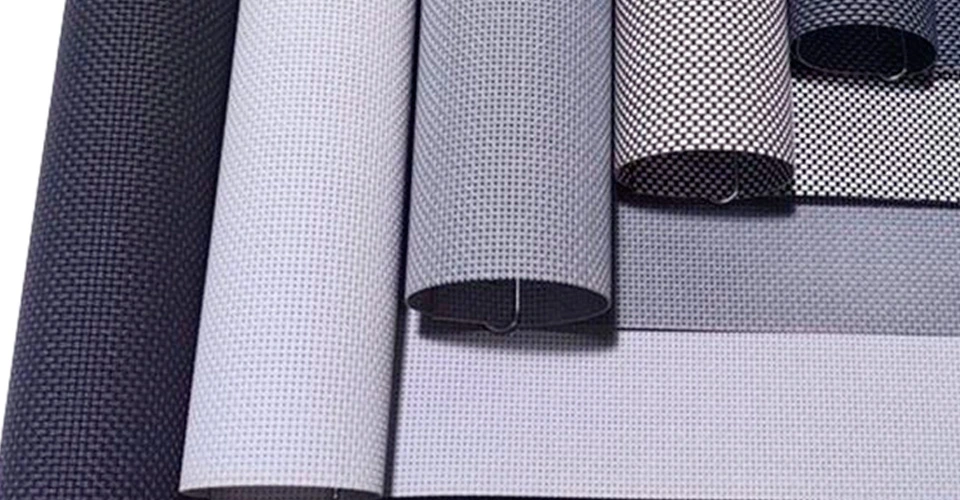
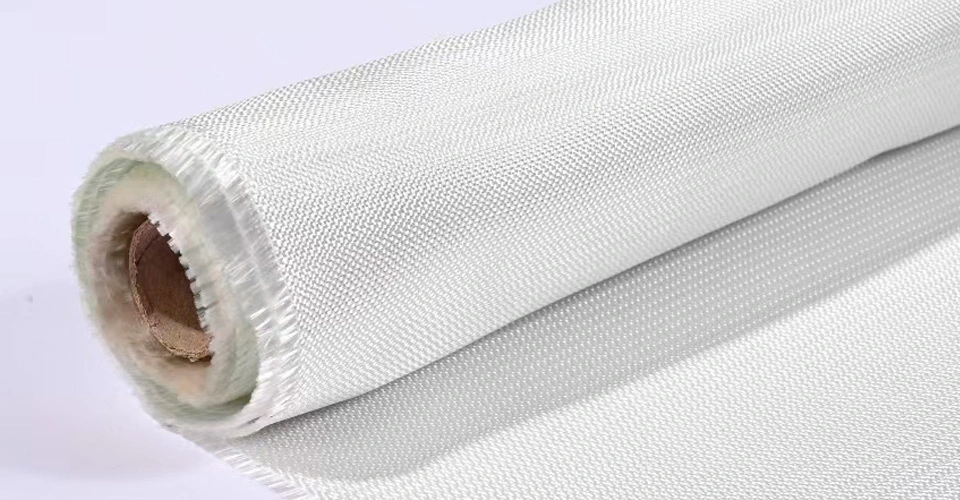
Mesh selection remains separate from system choice. A standard china fiberglass insect screen is appropriate for many conventional mosquito-screening applications, while special pollen, pet or solar-control meshes should be selected when the project has additional filtration, durability or shading requirements. JWFG offers fiberglass insect screens in multiple mesh configurations for window and door applications. The CDC recommends installing, repairing and using window and door screens as one way to keep mosquitoes outside.
| Buying Factor | Retractable Screen Window | Sliding Window Screen |
|---|---|---|
| Screen movement | Retracts, rolls or folds away | Slides or adjusts within track |
| View when unused | Screen can be concealed | Screen usually remains in opening |
| Mechanical complexity | Higher | Lower |
| Installation | Requires compatible housing/tracks | Often simpler with suitable window track |
| Large openings | Plisse systems can be suitable | Depends on panel dimensions and track |
| Seasonal use | Very convenient | Screen can be removed if required |
| Maintenance focus | Tracks, housing and retracting mechanism | Tracks, frame and mesh retention |
| Typical priority | Appearance and flexible operation | Simplicity and everyday insect protection |
Before sending an RFQ, buyers should provide window-opening dimensions, screen type, opening direction, mesh requirement, frame color, aluminum-profile requirements, quantity and installation environment. For custom projects, a complete assembled sample is preferable to approving only a piece of mesh. One safety distinction is also important. Insect screens are not fall-prevention barriers. The U.S. Consumer Product Safety Commission specifically advises against relying on a window screen to prevent children from falling and recommends appropriate window guards or stops where fall protection is required.
Neither is universally better. Retractable screens are preferable when users want the mesh hidden when not required, while sliding screens are often simpler for regular insect protection and straightforward window installations.
A plisse screen uses permanently formed pleats that fold together as the screen opens. Instead of rolling around a tube, the mesh compresses accordion-style along the track. JWFG offers plisse mesh specifically for retractable screen systems.
Yes, depending on the system design. However, the mesh must be suitable for repeated movement, folding or rolling. Mesh material, coating and mechanical construction should be confirmed with the screen-system manufacturer.
They can be, particularly when the window already provides a compatible screen track or when an adjustable insert is used. Installation difficulty still depends on the window type and screen dimensions.
They normally contain more moving components, so tracks, guides, housing and the retracting mechanism require inspection. A basic sliding panel has fewer components, although its track and frame still need regular cleaning.
No. Window screens are intended primarily for insects and ventilation, not fall protection. CPSC advises using suitable window guards or stops when child fall protection is required.
Centers for Disease Control and Prevention — Mosquito Control at Home
U.S. Consumer Product Safety Commission — Window Safety Guidance