


2026-04-02
Learn More
The price of a pleated mosquito net cannot usually be calculated from square meters alone. Two products with the same width and length may have different costs because mesh count, material, pleat height, colour, roll dimensions, UV treatment and order quantity all influence manufacturing requirements.
For B2B buyers, the more useful question is whether the selected specification provides the required insect protection, folding stability and service life at an acceptable total cost. Understanding the factors behind pleated mesh price also makes it easier to compare quotations from different suppliers on the same basis.
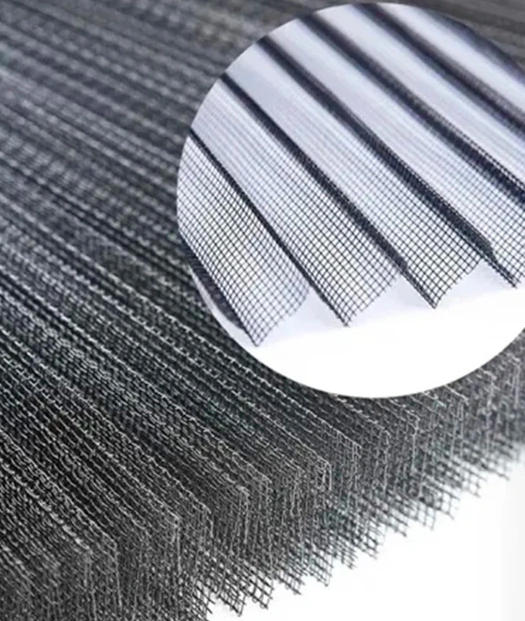
The cost of pleated mosquito net products depends on the complete technical specification rather than one standard market price.
A supplier normally needs mesh count, pleat height, material, roll width, roll length, colour and quantity before calculating an accurate quotation. Standard black or grey products produced in large batches may have a lower unit cost than custom-colour mesh or products requiring additional UV and performance treatments.
Order quantity is another important variable. Large-volume orders spread machine setup, pleating and packaging costs across more material, while small customized runs often have higher unit costs.
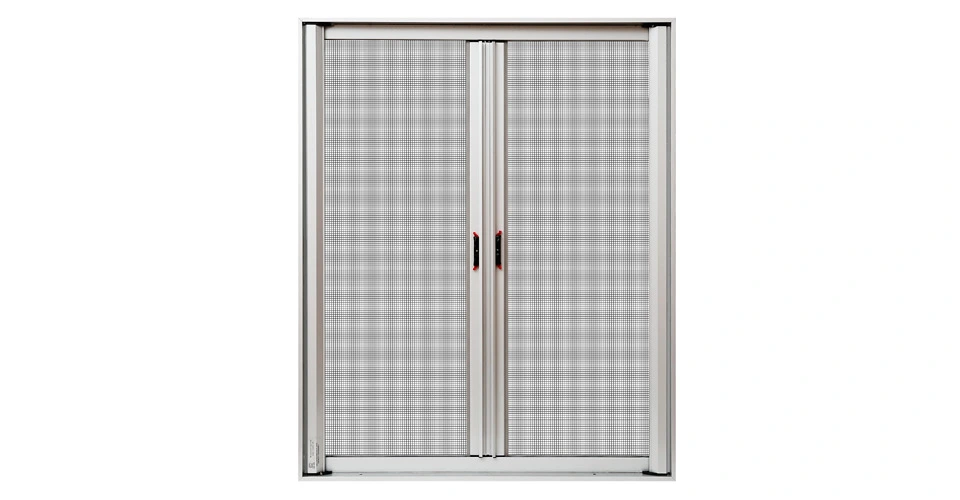
JWFG supplies different plisse mosquito net configurations for window and door systems, so buyers can compare mesh count and pleat specifications according to their finished screen design rather than selecting only by price.
Pleated mesh price is mainly determined by raw material, mesh density, pleat height, roll dimensions, treatment requirements and purchasing volume.
The main factors buyers should compare are:
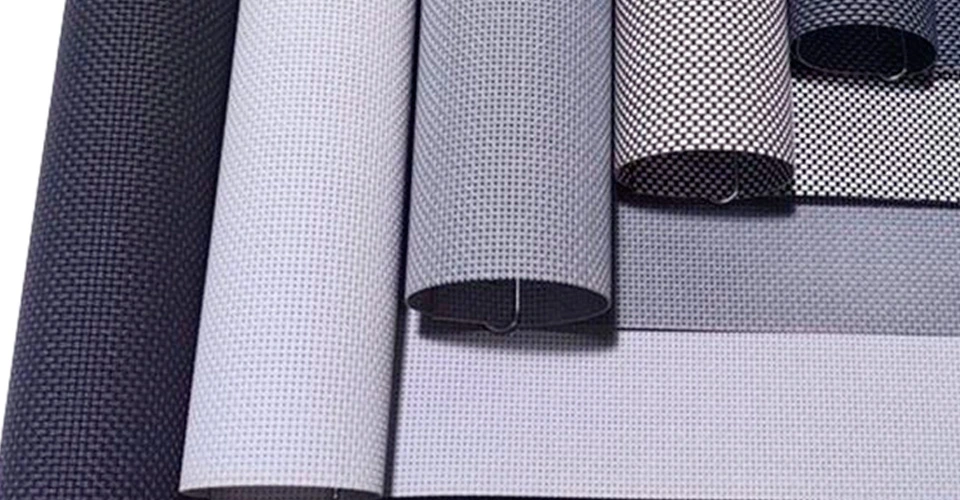
Material: Polyester, PP and fiberglass-based mesh have different raw-material and processing costs.
Mesh count: Finer mesh uses a denser yarn structure and can require tighter production control.
Pleat height: Different fold heights affect material usage and compatibility with the screen system.
Roll dimensions: Non-standard widths and lengths may increase production setup requirements.
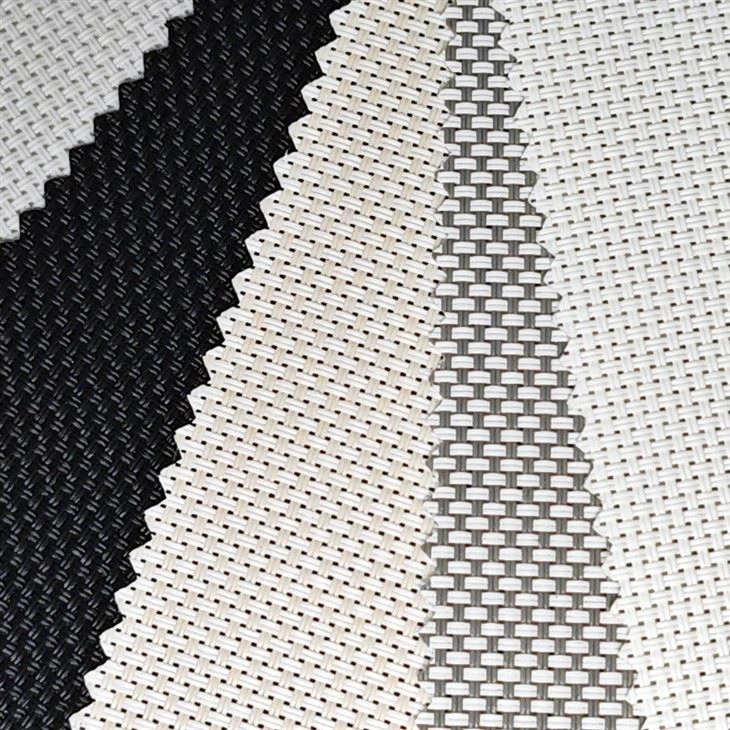
Colour: Standard colours are generally easier to manufacture than customized shades.
UV or other treatments: Additional weather resistance can increase material cost.
Quantity and packaging: Large wholesale orders usually provide better unit economics.
For accurate comparison, every supplier should receive the same RFQ specification. Otherwise, a lower quotation may simply represent a different material or mesh configuration.
20×20 mesh has a denser opening structure than 18×16 mesh, which can improve protection against smaller insects but may slightly reduce airflow and increase material usage.
| Factor | 18×16 Mesh | 20×20 Mesh |
|---|---|---|
| Mesh density | Lower | Higher |
| Airflow | Generally higher | Slightly lower |
| Small-insect protection | Good | Better |
| Material consumption | Usually lower | Usually higher |
| Typical use | General mosquito screening | Finer insect protection |
Mesh count should not be judged simply by assuming that the highest number is always best. Airflow, yarn diameter and the insects being targeted also matter.
For example, the U.S. CDC specifically recommends 20×20 mesh screens when protection against very small biting midges is required because many conventional window screens have openings large enough for these insects to pass through. CDC guidance on 20×20 mesh screens
This makes 20×20 useful for some markets, while 18×16 remains practical where airflow and general mosquito protection are the main priorities.
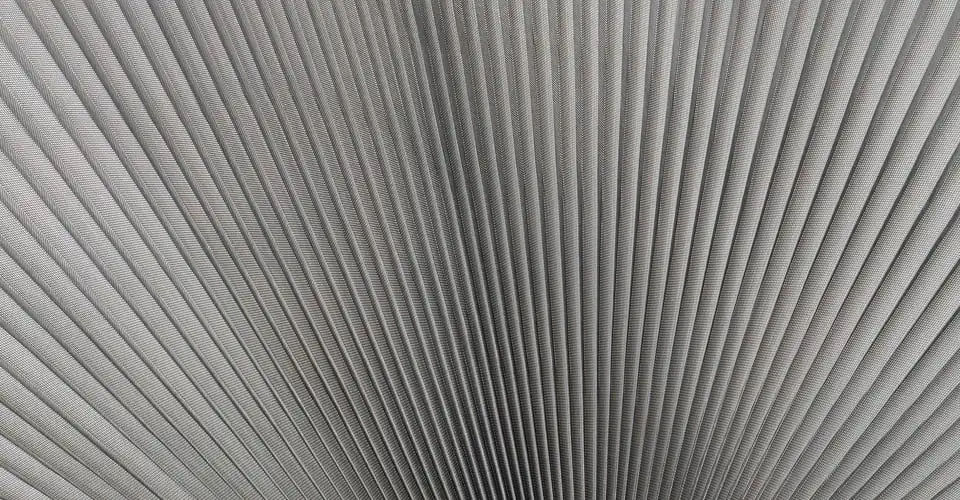
Pleat height affects folding compactness, screen stability and compatibility with the finished frame system rather than simply determining product quality.
A 14mm pleat creates a compact folded profile and can suit smaller screen housings or window systems where space is limited. An 18mm pleat provides a middle-ground configuration, while 20mm pleats may be preferred in systems designed for larger folds or wider openings.
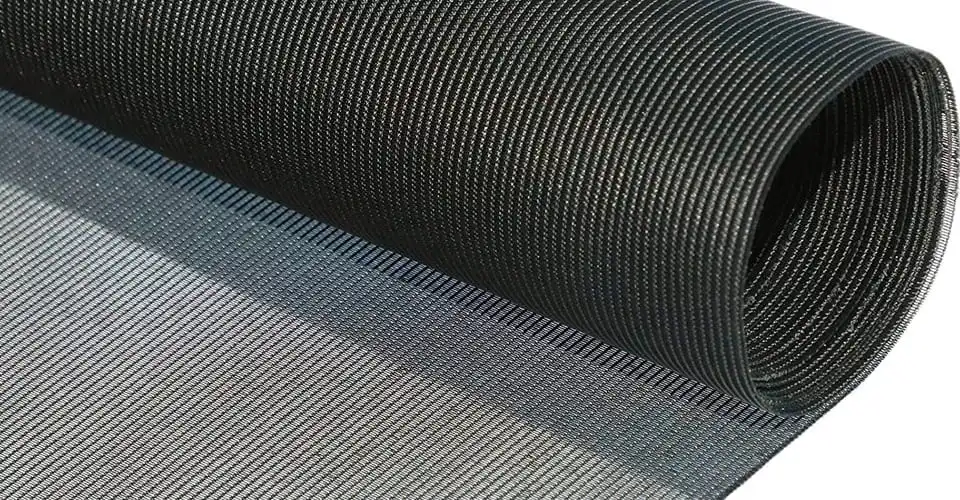
JWFG's 20×20 mesh, 20mm plissescreen is one example of how mesh count and pleat height are specified together rather than treated as separate product characteristics. The page lists a product weight of approximately 80±5 g, illustrating that fold structure and mesh construction also influence material use.
The best pleat height therefore depends on the screen-system design, folding distance and opening dimensions.
Polyester, PP and fiberglass-based pleated mesh differ in flexibility, dimensional stability, weather resistance and suitability for different screen systems.
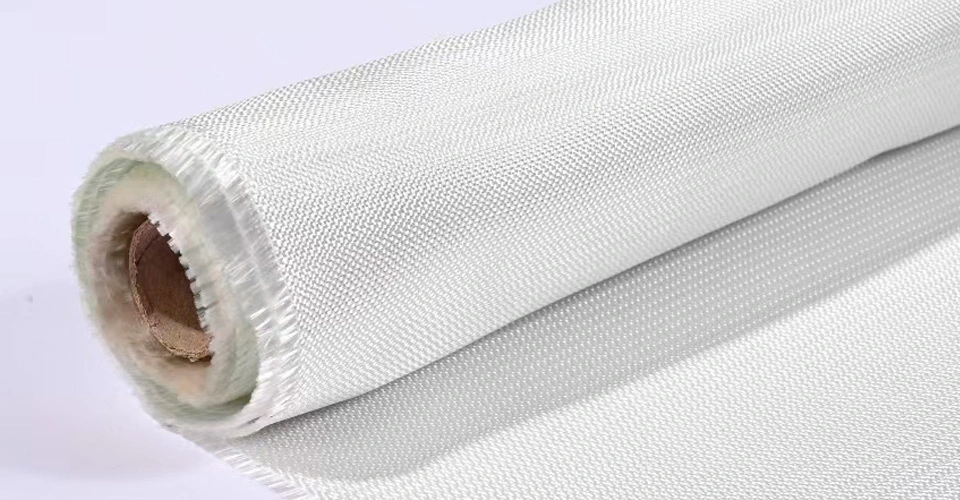
Polyester is commonly used for pleated mesh because it combines flexibility with good folding performance. PP can provide moisture resistance and competitive cost, while fiberglass-containing structures may offer additional dimensional stability for certain applications.
For screens installed in areas with strong sunlight, long-term outdoor durability should also be considered. ASTM D2565 provides a standardized xenon-arc exposure method for evaluating how plastics respond to daylight, moisture and heat, highlighting why polymer performance should be evaluated under realistic exposure conditions. ASTM D2565 outdoor exposure standard
Material choice should therefore follow the actual operating environment. An indoor residential screen and a balcony screen exposed to sun and rain may justify different materials even when the mesh count is identical.
Standard pleated mosquito net wholesale products usually offer lower unit cost, while customized specifications provide better compatibility with specific OEM screen systems.
Standard mesh counts, common colours and established roll dimensions are easier to manufacture efficiently. Customized orders may involve special pleat heights, roll widths, colours, materials or packing requirements.
For OEM buyers, however, the lowest mesh price does not always produce the lowest finished-system cost. Paying slightly more for a specification that fits the frame and folding mechanism correctly can reduce cutting waste, installation problems and product rejection.
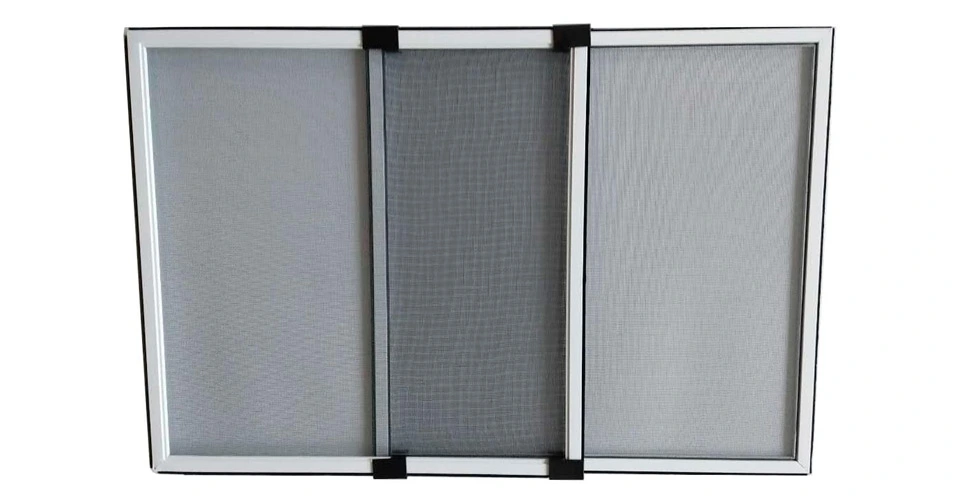
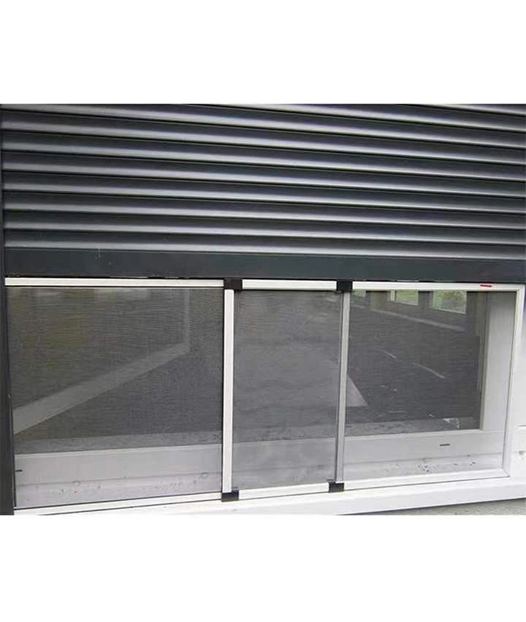
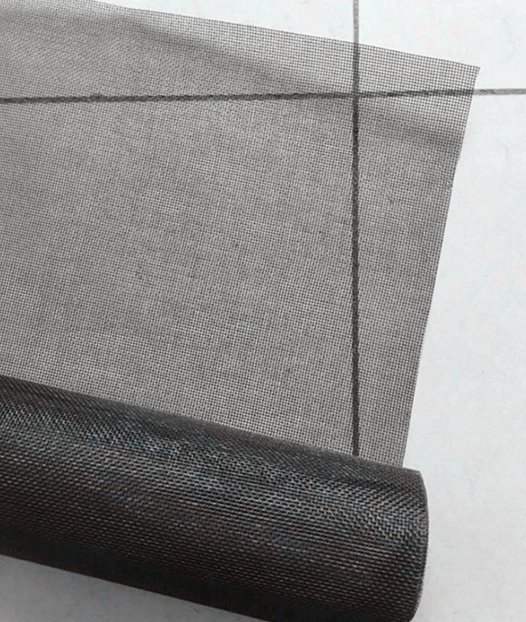
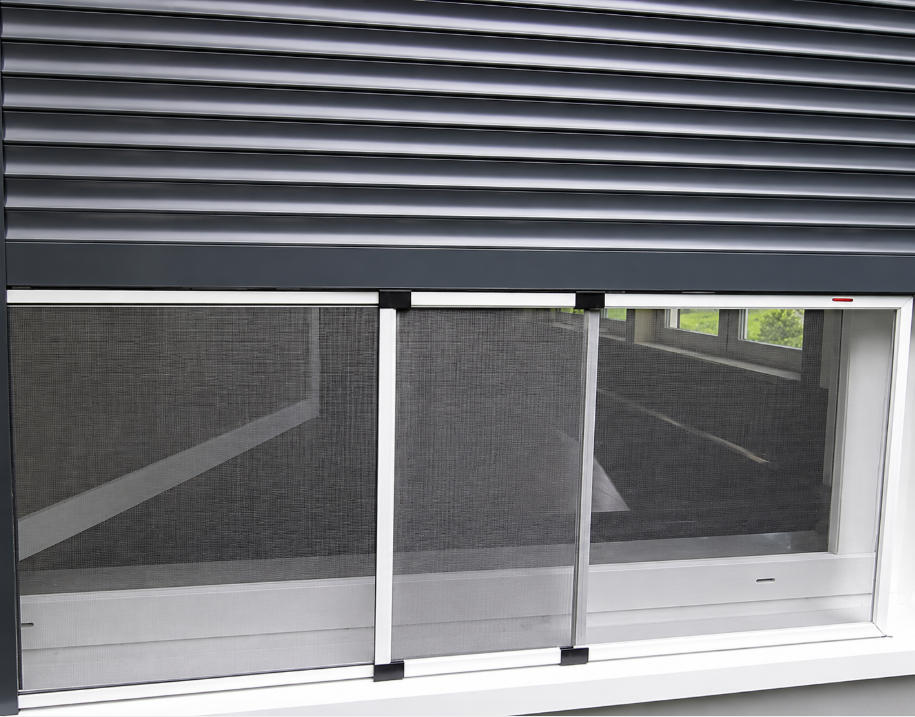
The same principle applies when comparing pleated systems with sliding window mesh. JWFG's sliding screen range uses fiberglass insect mesh with adjustable frame systems, showing why buyers should compare the complete window-screen structure rather than mesh-roll cost alone.
An accurate pleated-mesh quotation requires clear technical data so the factory can calculate material consumption, production requirements and packaging.
A useful RFQ should include:
Mesh count: such as 18×16 or 20×20.
Material: polyester, PP, fiberglass or required composite.
Pleat height: 14mm, 18mm, 20mm or another specification.
Roll width and length: including tolerances if critical.
Colour: standard or customized.
Quantity: number of rolls, square meters or annual demand.
Packing: roll, carton, pallet or OEM packaging requirements.
Buyers should also explain the final application. A pleated mesh used for a small residential window may need different folding characteristics from material intended for a wide retractable door.
The price of a pleated mosquito net depends on much more than area. Mesh count, pleat height, material, roll dimensions, customization and order quantity all influence pleated mesh price.
For procurement teams, the best approach is to define insect-protection requirements, screen-system dimensions and operating environment first, then ask suppliers to quote exactly the same specification. This provides a far more meaningful comparison than simply selecting the lowest price per square meter.
It can be because the structure is denser, but final cost also depends on yarn, material and order quantity.
There is no universal best size. It should match the frame design and folding requirements.
Each has advantages. Selection depends on flexibility, UV exposure, moisture and required service conditions.
It can, particularly when the colour requires a separate production batch or higher MOQ.
Provide mesh count, material, pleat height, roll size, colour, quantity and packaging requirements.