

2022-05-09
Learn More
In shading applications where complete light blockage is required, both 0% openness woven sunscreen fabric and traditional blackout fabric are capable of achieving full blackout performance. However, differences in structure, appearance, and long-term performance distinguish these two materials in practical use.
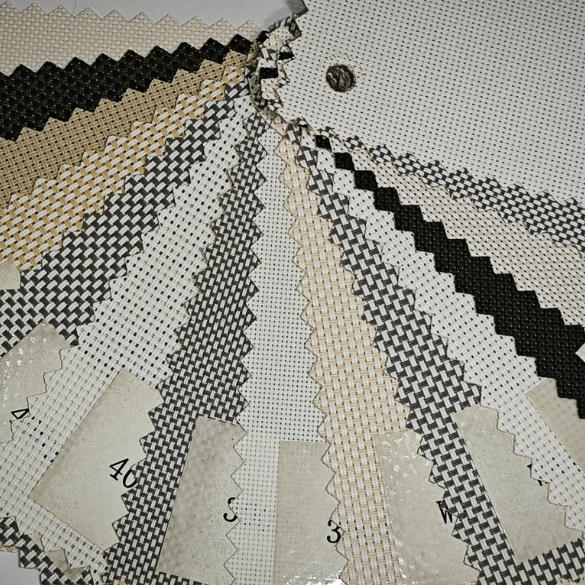
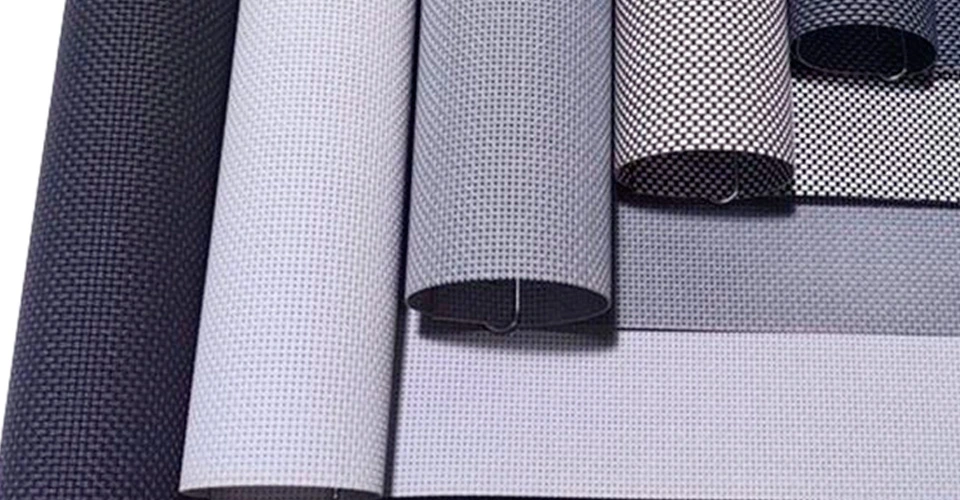
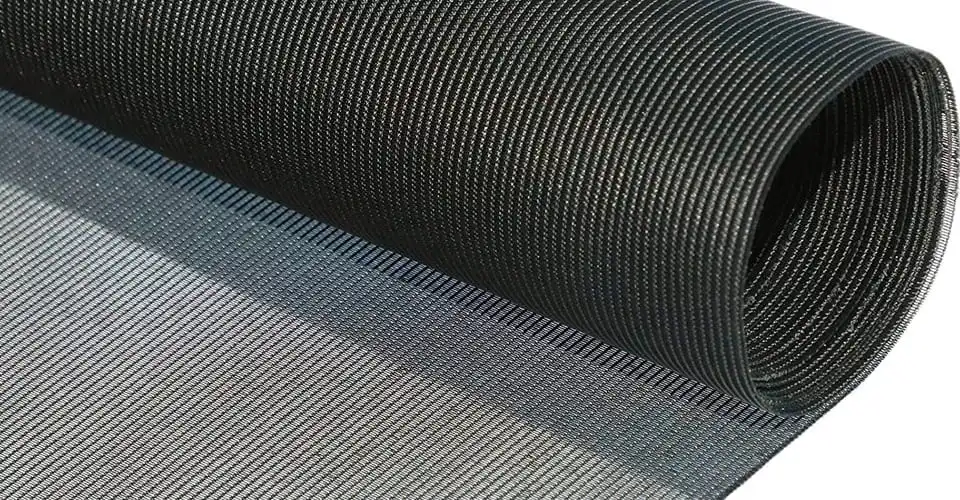
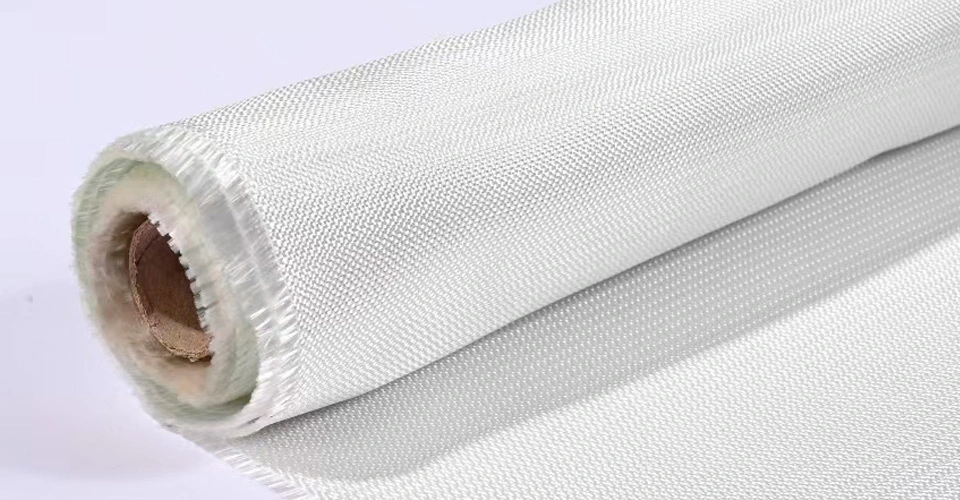
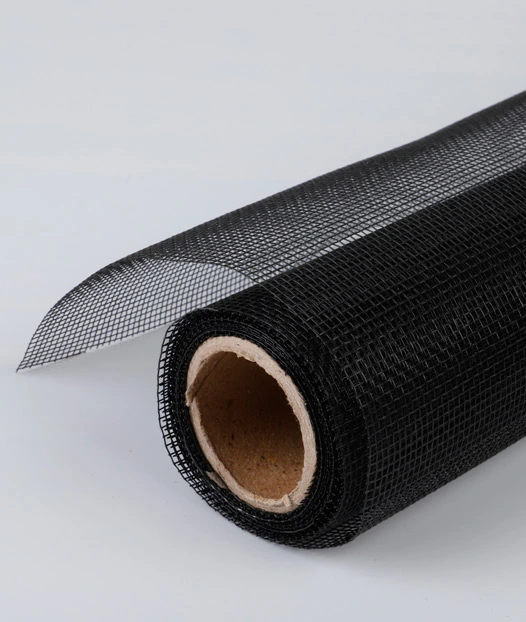
0% openness sunscreen fabric is typically manufactured using a woven construction combined with a functional coating. This allows the material to maintain the inherent characteristics of sunscreen fabrics while eliminating light transmission. In contrast, traditional blackout fabrics generally rely on multi-layer coating systems to block light, which may affect flexibility and long-term stability.
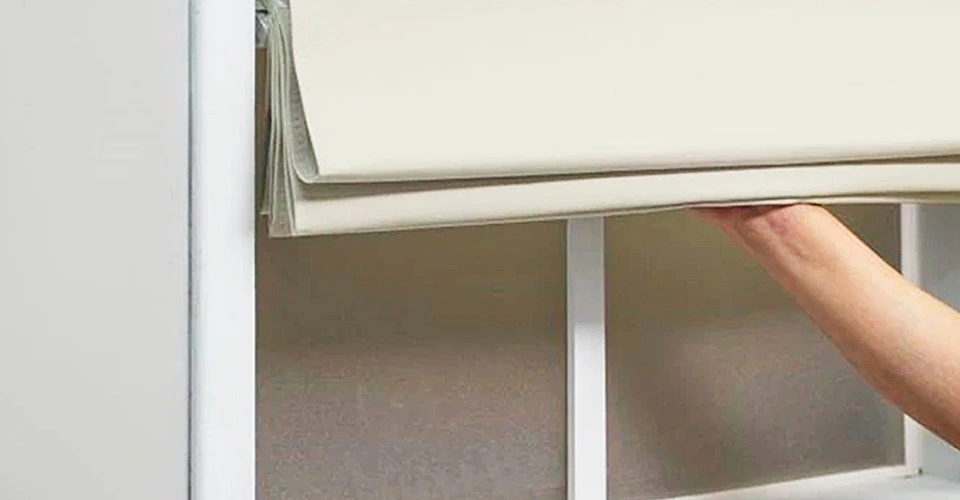
From a visual standpoint, woven 0% openness fabrics retain the textile texture commonly seen in standard openness materials such as 1%, 3%, or 5%. This makes them suitable for projects requiring a consistent appearance across different shading levels. Traditional blackout fabrics, on the other hand, often feature a coated backing layer, which can create a noticeable difference in appearance.
In terms of durability, woven structures tend to provide balanced mechanical properties, contributing to improved dimensional stability and resistance to deformation over time. This can be particularly relevant in commercial environments where shading systems are used frequently.
Additionally, 0% openness woven sunscreen fabrics are often developed to comply with recognized fire safety standards, such as B1 or NFPA 701, depending on specific formulations and applications.
Overall, while both materials serve the purpose of full light blockage, 0% openness woven sunscreen fabric offers an alternative solution that combines blackout functionality with the structural and aesthetic characteristics of woven shading materials.