
2025-10-02
Learn More
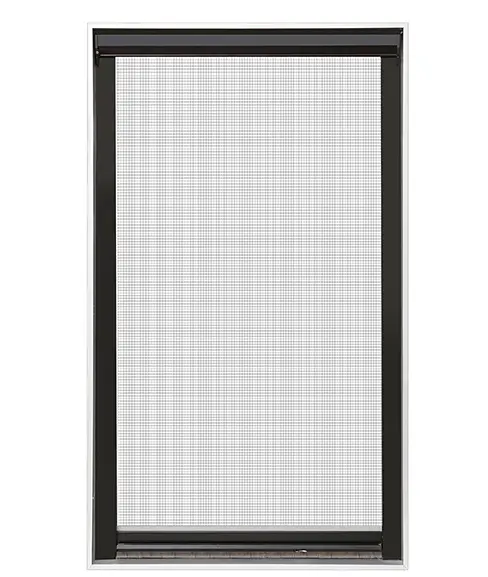
Choosing the right pool screen mesh means balancing insect protection, airflow, visibility and outdoor durability. A finer mesh can block smaller insects, but greater mesh density may also reduce airflow and make the screen more noticeable across large patio or pool enclosures.
For contractors and enclosure manufacturers, mesh count should therefore be considered together with yarn diameter, material structure, UV exposure and roll dimensions. The best pool screen mesh is not necessarily the finest option; it is the screen that matches the insects, environment and enclosure design.
The best pool screen mesh is generally an outdoor fiberglass screen that provides an appropriate balance of insect protection, ventilation, visibility and weather resistance.
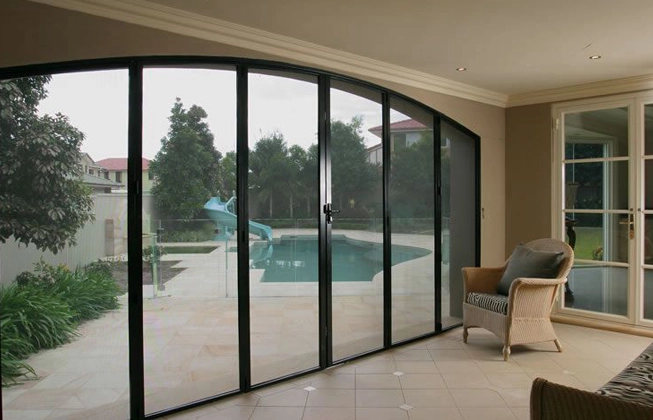
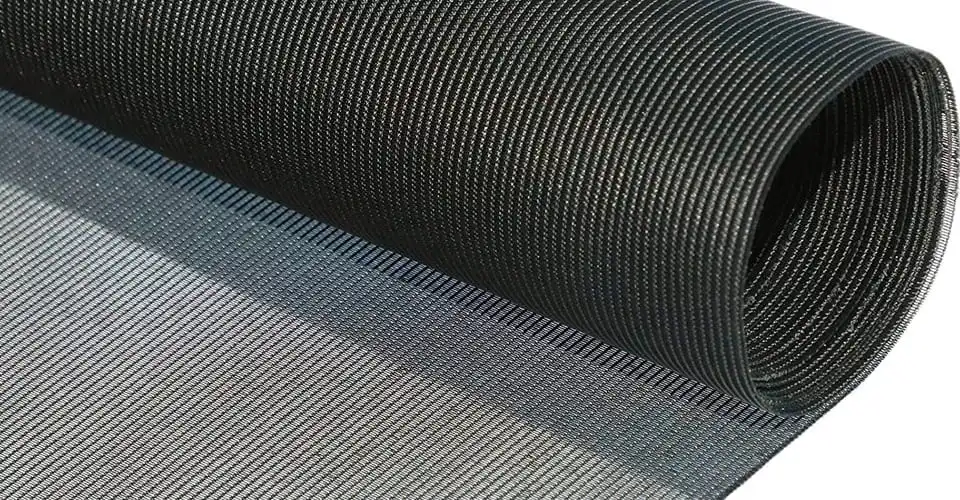
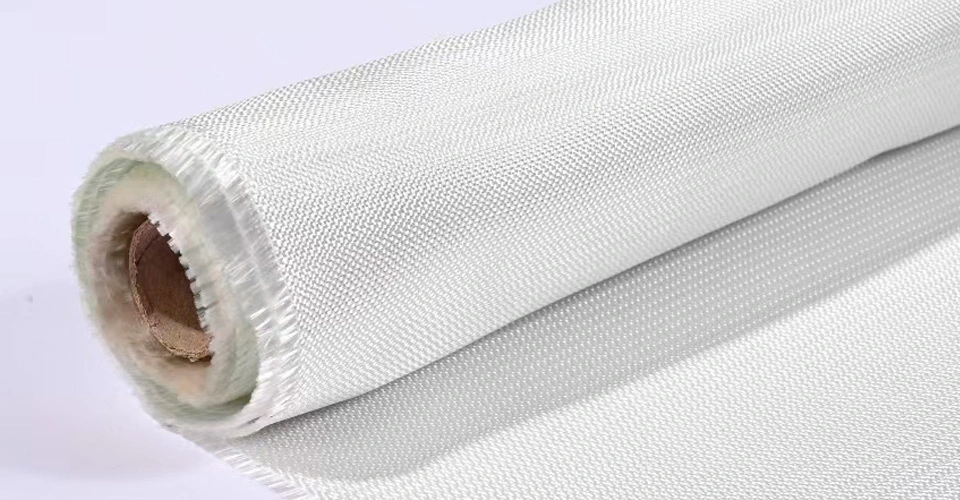
Fiberglass is widely used for pool cages and patio enclosures because it is lightweight, flexible and does not rust. JWFG's fiberglass patio screen range is intended for pool and patio applications where insects and debris need to be controlled without completely blocking airflow or outdoor views.
Mesh count should match the local pest problem. Standard mosquito protection may not require extremely fine mesh, while areas affected by smaller biting insects can justify a denser construction.
The goal is therefore to match pool screen mesh to the real application rather than simply choosing the highest mesh count available.
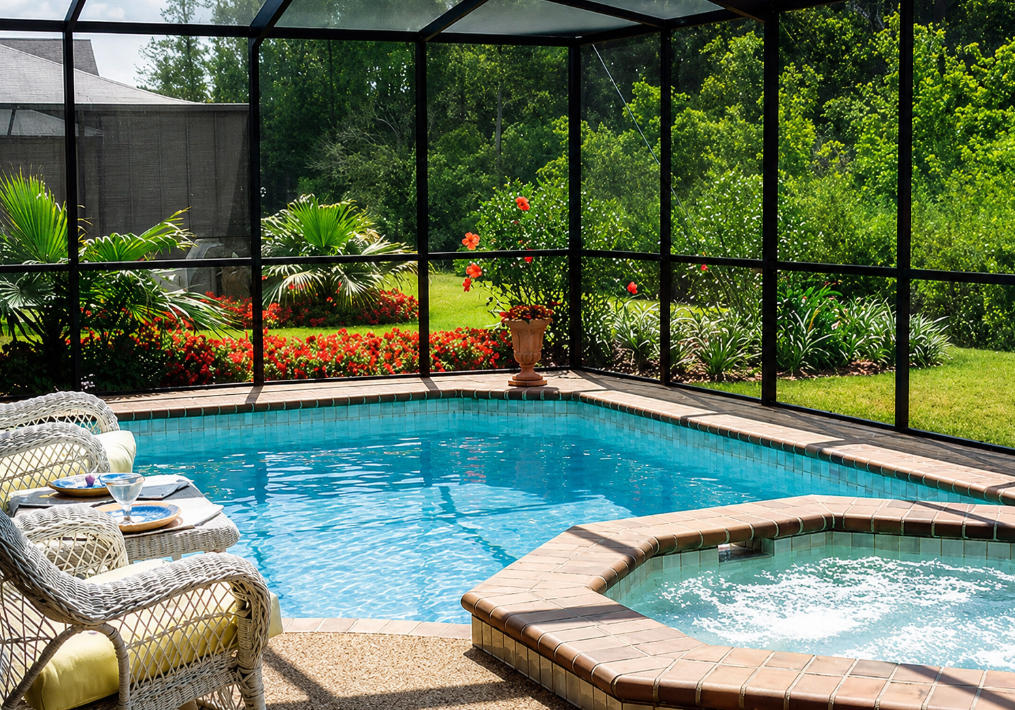
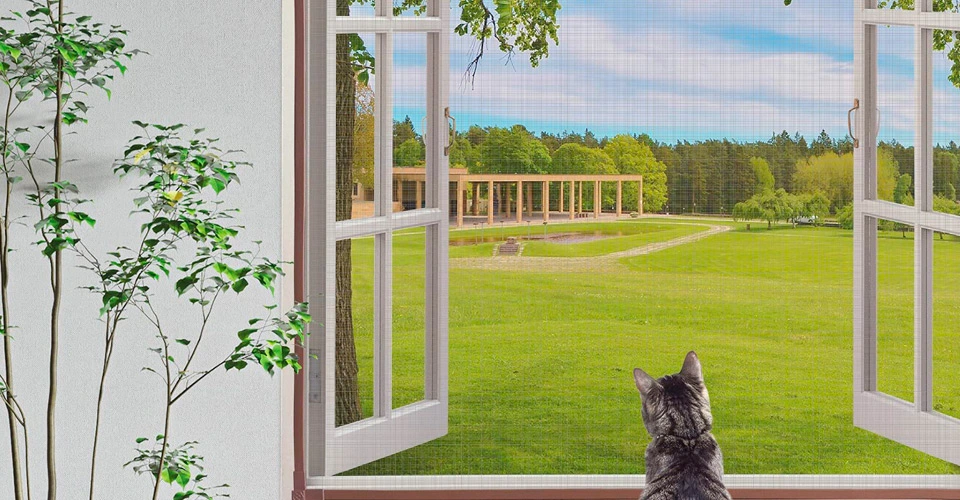
An 18 x 14 mesh screen is commonly used for pool enclosures because it provides relatively open airflow and visibility while blocking common mosquitoes and larger flying insects.
Mesh count refers to the approximate number of openings per inch in each direction. Compared with a finer 20×20 screen, an 18×14 construction generally offers a more open structure.
| Factor | 18×14 Mesh | 20×20 Mesh |
|---|---|---|
| Airflow | Higher | Lower |
| Visibility | Generally better | Slightly reduced |
| General insect protection | Good | Good |
| Small-insect protection | Moderate | Better |
| Typical use | Pool/patio enclosure | Finer insect control |
JWFG offers 18 x 14 screen mesh within its fiberglass insect-screen range. Its pool and patio category also includes multiple mesh configurations, showing why mesh count should be selected around the project rather than treated as a single standard.
A higher mesh count is not automatically better. Airflow, yarn diameter and the size of the insects being targeted should be considered together. For very small biting midges, the CDC guidance on Oropouche prevention recommends screens with 20×20 mesh or smaller openings, illustrating why finer mesh may be justified in specific environments.
Outdoor screen mesh should be selected for long-term exposure to sunlight, moisture, heat and other environmental conditions around pools and patios.
Unlike indoor insect screens, pool enclosures can remain exposed continuously for years. UV radiation can gradually affect polymer coatings, while repeated wetting, humidity and temperature cycles may influence flexibility and mechanical performance.
ASTM D4329 provides a standardized fluorescent-UV exposure practice for plastics that considers ultraviolet radiation, moisture and heat. The ASTM D4329 UV exposure standard is useful as a reference when discussing weathering resistance of polymer-based screen materials.
Pool environments may also involve chlorinated water splash, while coastal projects can face salt-laden air. These conditions make coating quality and material consistency important even when the underlying fiberglass mesh screen itself does not rust.
Pool screen mesh selection involves a trade-off between open visibility and the size of insects the enclosure needs to block.
Finer mesh creates smaller openings, helping restrict smaller insects but also increasing the amount of yarn across the viewing area. On a large enclosure, this can affect both visual openness and ventilation.
An 18×14 mesh is therefore a practical option when mosquitoes and general flying insects are the main concern. A denser screen may make more sense where no-see-ums or biting midges are common.
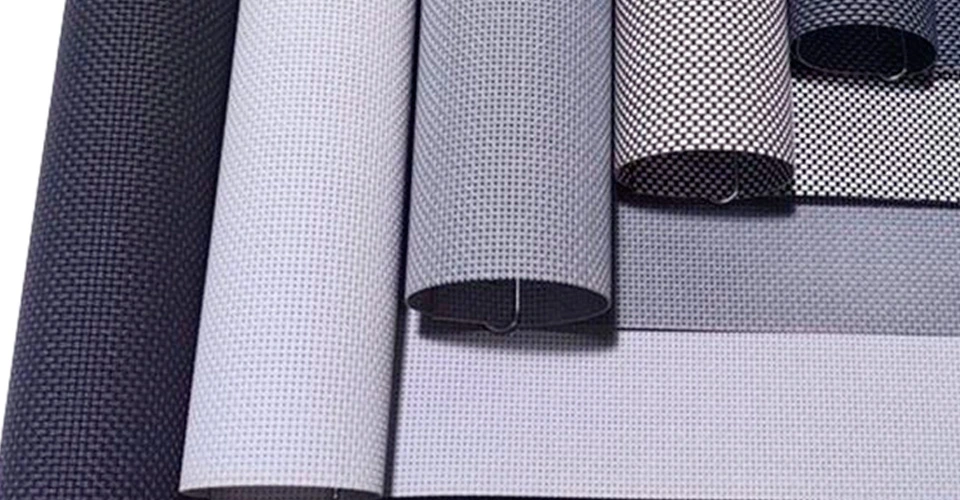
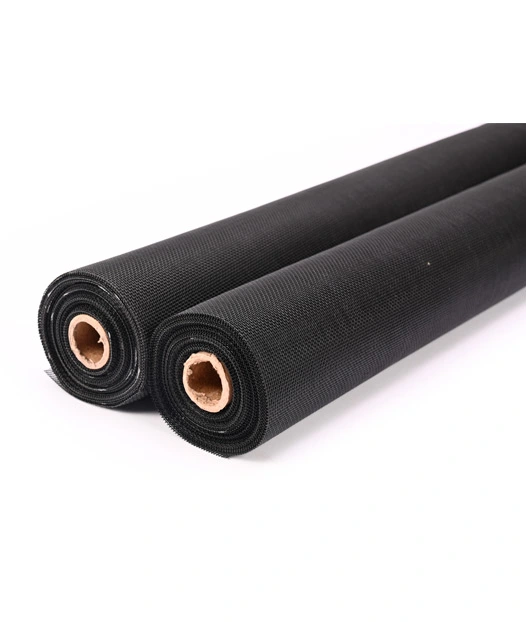
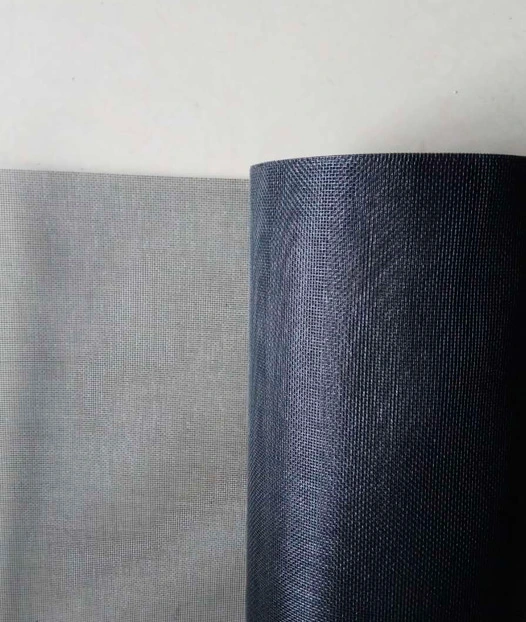
Colour also affects perceived visibility. Dark screens often become less visually obvious when viewed against an outdoor background, while grey may fit certain architectural designs better.
For contractors, the correct pool screen mesh should reflect the customer's priority: maximum airflow, clearer views or finer insect control.
Fiberglass mesh screen durability depends on yarn structure, PVC coating, weave consistency and dimensional stability during installation and service.
Buyers should pay attention to:
Yarn consistency: Uneven yarn can create weak or visually inconsistent areas.
PVC coating: Coating quality influences flexibility and outdoor durability.
Mesh stability: The screen should resist excessive distortion while being stretched into frames.
Tensile performance: Important for wide enclosure panels exposed to installation tension and wind.
Roll consistency: Accurate width and straight edges can reduce cutting waste and installation problems.
For B2B sourcing, JWFG's fiberglass insect screen china range includes multiple mesh counts and specifications, allowing buyers to compare different constructions according to the finished enclosure.
Pool screen roll dimensions should match enclosure-panel dimensions closely enough to reduce seams, cutting waste and installation time.
A wider pool screen roll can be useful for large patio or pool panels because fewer seams are required. However, extremely wide rolls can be harder to transport, handle and tension on site.
Contractors should calculate panel dimensions before ordering rather than purchasing one standard roll size for every project. Roll width should include enough allowance for spline installation and trimming, while roll length should cover the expected number of panels plus reasonable waste.
JWFG's pool and patio product range includes fiberglass screen rolls in multiple widths and mesh configurations, which allows the roll format to be matched more closely to enclosure dimensions.
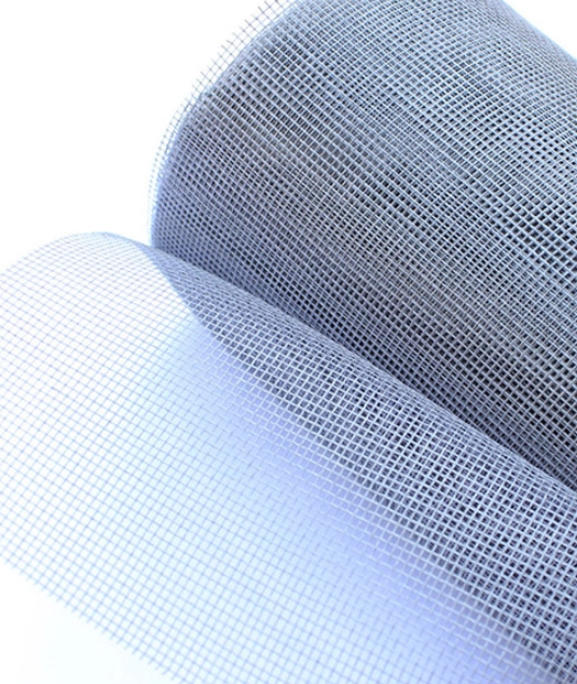
A complete RFQ for fiberglass screen for patio projects should define both the mesh specification and the actual installation environment.
Contractors should provide:
Mesh count: such as 18×14, 18×16 or 20×20.
Colour: black, grey or another required colour.
Roll width and length: based on enclosure-panel dimensions.
Quantity: number of rolls or total square meters.
Application: pool cage, patio enclosure, balcony or other installation.
Environment: standard outdoor, high-UV, humid or coastal exposure.
Packing: especially for container shipping or distributor orders.
Providing these details makes it easier for a supplier to recommend a suitable pool screen mesh rather than quoting a generic fiberglass roll that may not fit the finished project.
Choosing pool screen mesh requires balancing insect protection, airflow, visibility, outdoor durability and installation efficiency. An 18 x 14 mesh screen is a practical choice for many general pool and patio enclosures, while finer mesh can provide additional protection against smaller insects.
Contractors should also evaluate UV exposure, fiberglass mesh screen construction and pool screen roll dimensions. Matching the screen to the actual enclosure and environment helps reduce waste and improves long-term installation performance.
Yes. It provides a useful balance of airflow, visibility and general insect protection.
It blocks smaller insects more effectively, but its denser structure may reduce airflow.
Yes. Long-term outdoor installations are continuously exposed to sunlight and weather.
Yes. Fiberglass is lightweight, flexible and corrosion-resistant, making it widely used for patio and pool screens.
Choose the roll width around enclosure-panel dimensions, with enough extra material for fixing and trimming.