

2026-09-10
Learn More
Modern office buildings need to balance natural daylight, indoor comfort, energy efficiency, and employee privacy. Excessive sunlight can create glare on computer screens, increase indoor temperatures, and affect the working environment. At the same time, offices still need sufficient daylight and ventilation to maintain a comfortable workspace.
An office window screen provides a practical solution by controlling sunlight exposure while maintaining visibility and airflow. Different office environments may require different screen structures depending on building orientation, window size, privacy requirements, and climate conditions.
For commercial buildings, choosing the right window solution requires considering material performance, installation method, and long-term maintenance rather than focusing only on appearance.
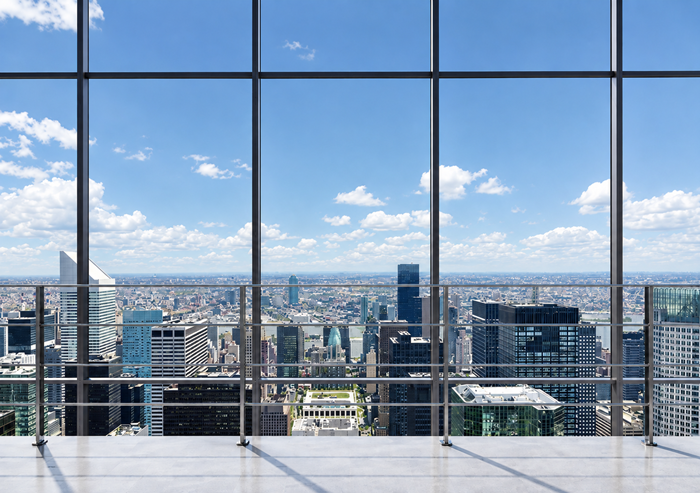
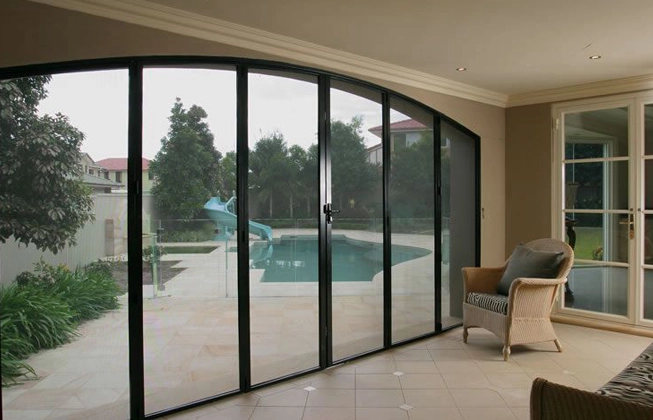
An office window screen is a shading and protection solution installed on office windows to help control sunlight, glare, heat, and privacy. Unlike traditional curtains or blinds, modern screen systems are designed to provide a balance between light control and visibility.
A suitable office screen for windows can help improve workplace comfort by reducing direct sunlight while allowing natural light to enter the office. This makes window screens suitable for open offices, meeting rooms, conference spaces, and commercial buildings.
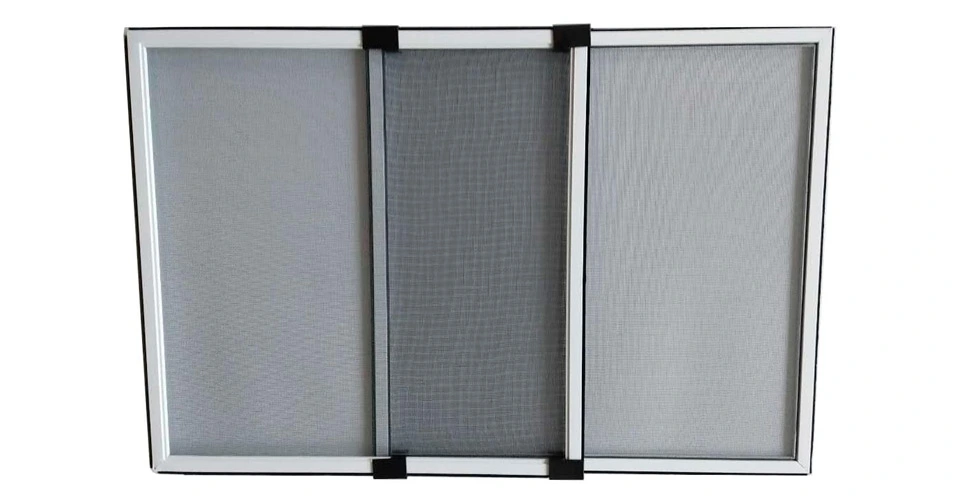
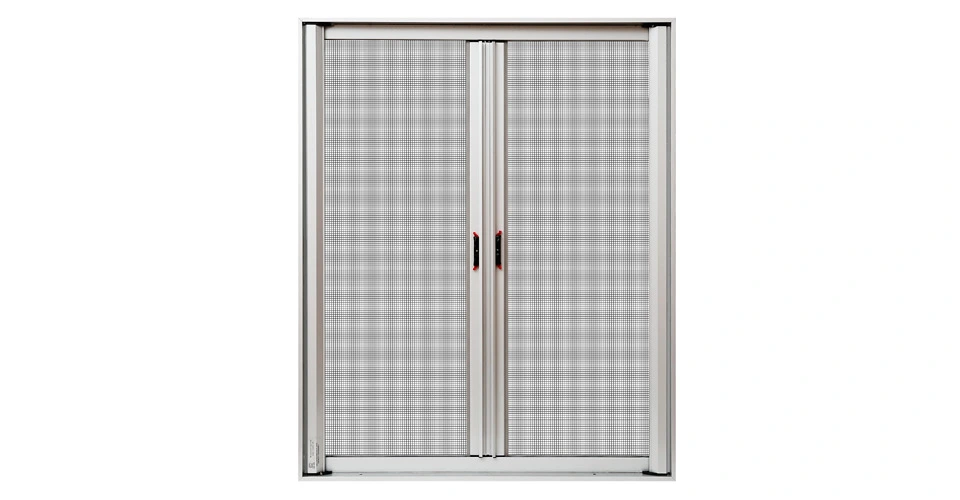
Office window solutions are available in different designs, including fixed screens, retractable systems, and customized options. The right choice depends on the building structure, daily usage requirements, and the expected level of solar protection.
Fixed and retractable office screens serve similar purposes but provide different advantages depending on building requirements.
Fixed screens are usually installed as permanent solutions and provide continuous shading performance. They are suitable for areas where sunlight conditions remain relatively stable throughout the day.
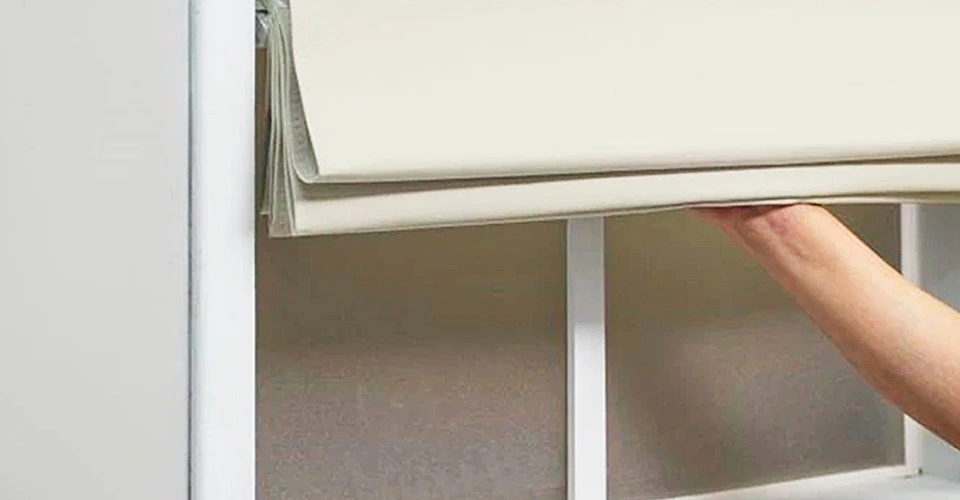
Retractable screens provide more flexibility because users can adjust the level of shading according to different times, seasons, or working conditions. They can be useful in offices where daylight requirements change throughout the day.
| Comparison Factor | Fixed Office Screens | Retractable Office Screens |
| Operation | Permanent installation | Adjustable according to needs |
| Light control | Stable shading performance | Flexible daylight management |
| Maintenance | Simple structure | Requires operating components |
| Application | Consistent sunlight exposure | Changing sunlight conditions |
The selection between fixed and retractable systems should consider building orientation, window location, user requirements, and maintenance expectations.
Office environments require a balance between natural lighting and workplace comfort. Too much sunlight can cause glare on monitors, while insufficient daylight may create an uncomfortable indoor atmosphere.
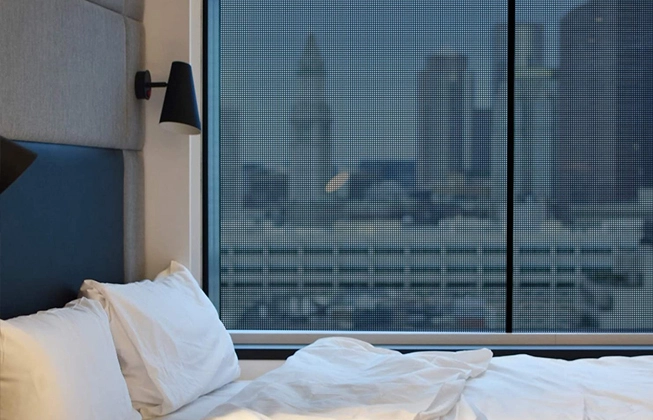
A well-designed office window screen helps reduce direct solar radiation while maintaining outdoor visibility. This balance is particularly important for workplaces with large glass windows or buildings exposed to strong sunlight.
For offices requiring additional privacy, window screens can limit external visibility while still allowing internal spaces to receive natural light. Solutions such as blinds for office windows may also be considered depending on the required level of light control.
The ideal solution depends on factors such as window direction, climate conditions, employee activities, and building design.
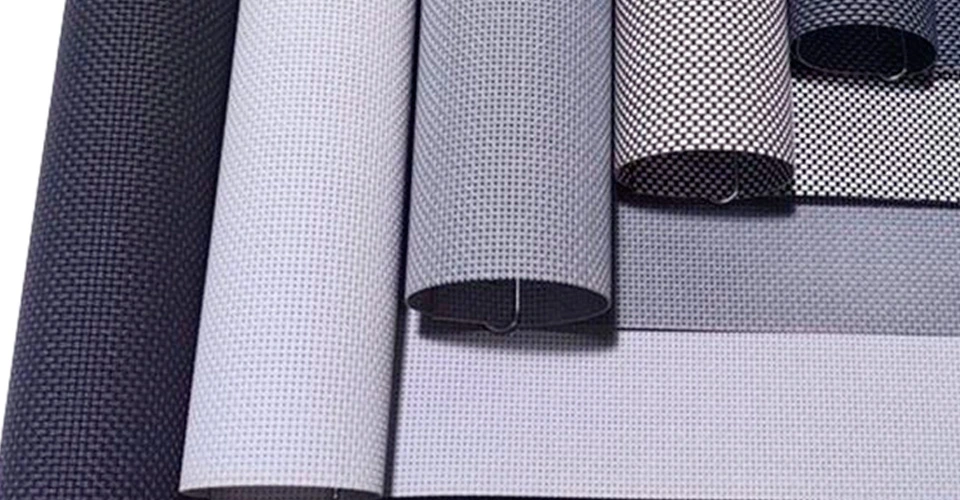
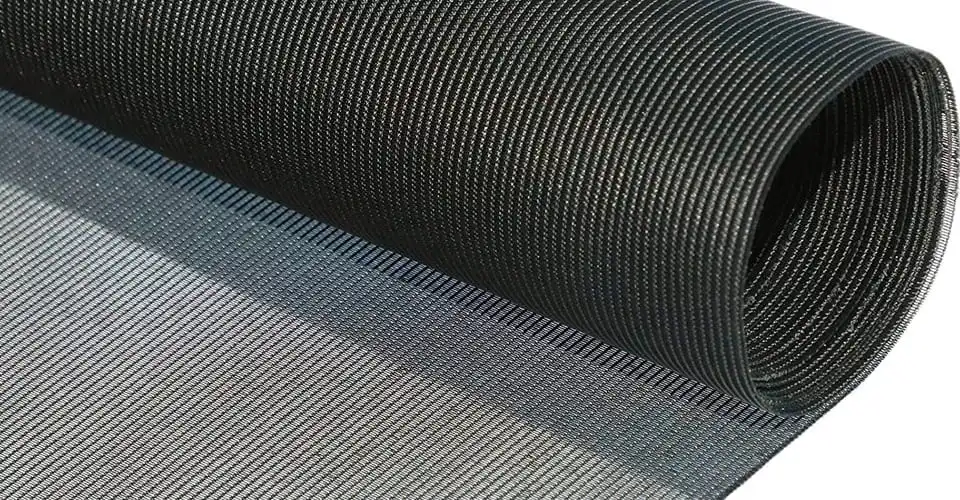
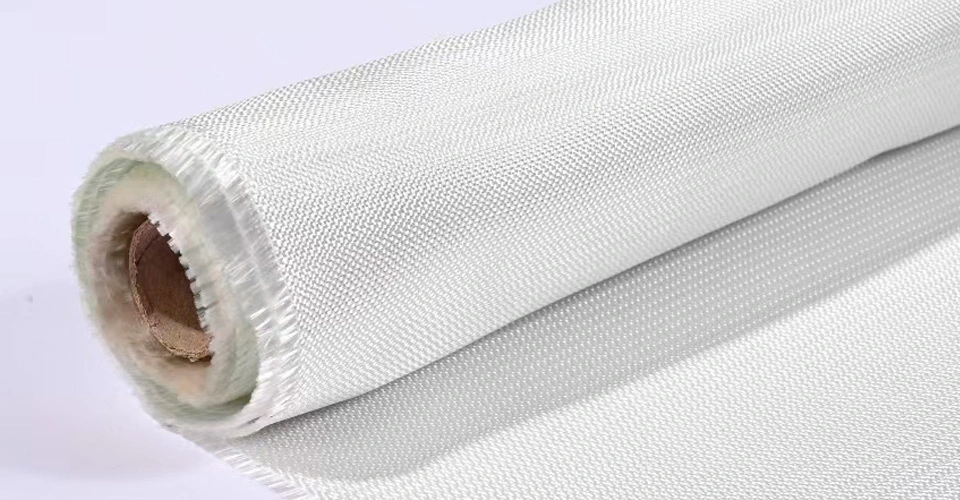
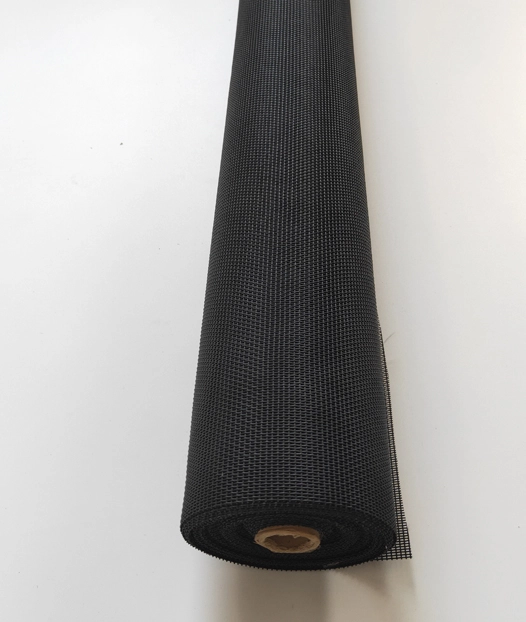
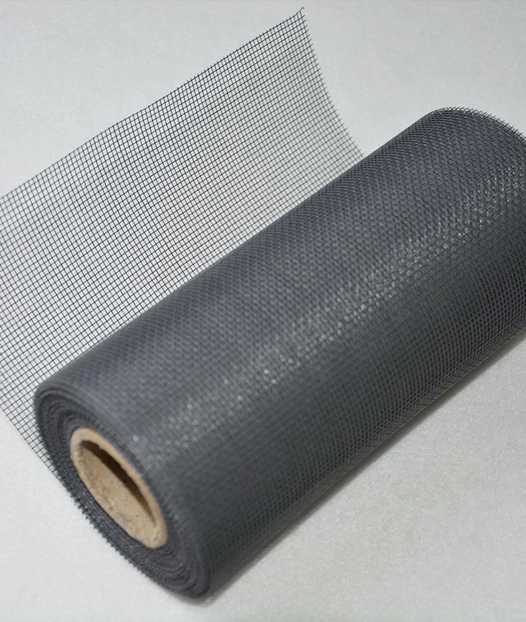
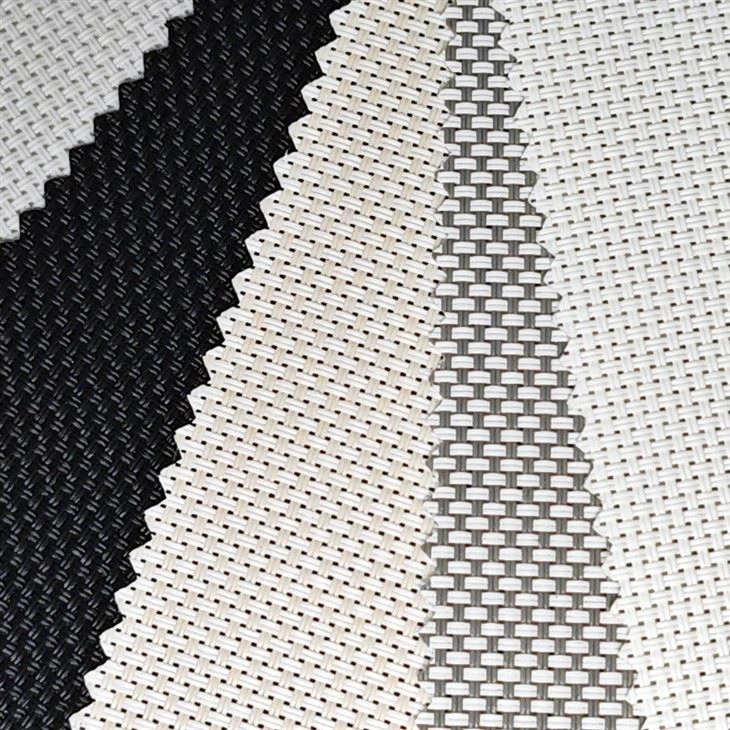
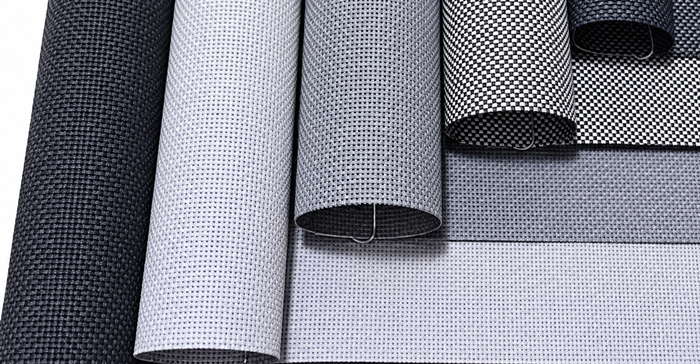
Material selection directly affects the performance, durability, and appearance of office window screens. Different mesh structures provide different levels of shading, visibility, airflow, and protection.
When selecting materials, buyers should consider mesh density, fabric strength, UV resistance, color consistency, and long-term performance.
For projects requiring advanced shading performance, the quality of sun shade screen mesh is an important factor because it influences light transmission, ventilation, and overall screen durability.
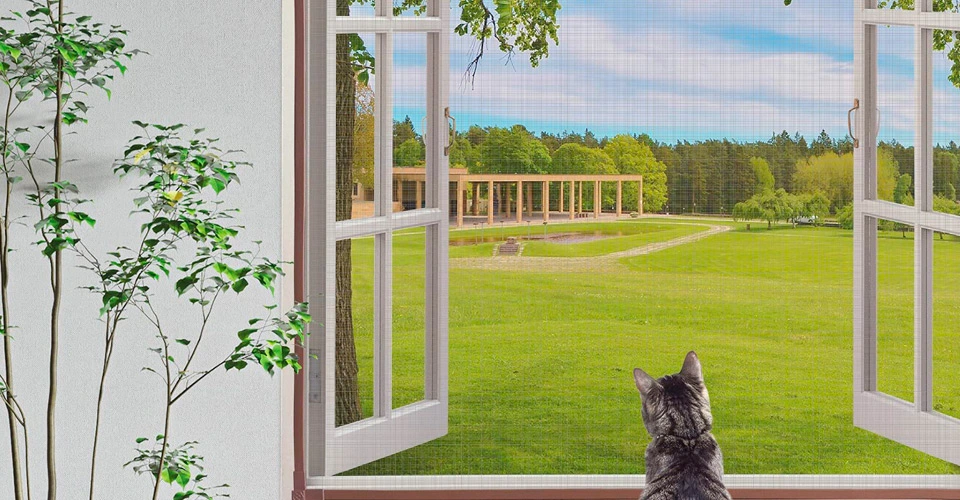
Different environments may also require specialized solutions. For example, buildings located in areas with higher dust or pollen exposure may consider a pollen screen option to improve indoor comfort.
The correct material choice depends on whether the priority is glare reduction, heat control, privacy improvement, or environmental protection.
For commercial office projects, accurate specifications are essential before ordering window screens. Incorrect measurements or unsuitable installation methods may affect both appearance and long-term performance.
Before installation, buyers should confirm:
Window dimensions and installation conditions
Required screen type and operation method
Material and color requirements
Quantity and project schedule
Maintenance expectations
A professional supplier should provide technical guidance to ensure the selected system matches the building requirements.
For large-scale office projects, clear communication between architects, contractors, and suppliers can reduce installation issues and improve project efficiency.
Selecting the right office window screen requires balancing daylight control, glare reduction, heat management, privacy, and material performance. Different buildings may require different screen structures depending on their design and usage conditions. By evaluating window specifications, material options, and installation requirements, businesses can create more comfortable and efficient office environments.
An office window screen helps control sunlight, reduce glare, improve privacy, and maintain a comfortable indoor environment.
Neither option is suitable for every building. The right choice depends on sunlight conditions, user requirements, and building design.
Yes. Suitable screen materials can reduce direct solar exposure and help control indoor heat gain.
Businesses should evaluate window size, material performance, shading requirements, installation conditions, and maintenance needs before selecting a solution.