

2026-07-22
Learn More
Construction sites face many environmental challenges, including dust movement, flying debris, strong sunlight, and changing weather conditions. A suitable construction mesh screen helps create a safer and cleaner working environment by controlling airborne particles while maintaining necessary airflow.
Unlike simple temporary covers, modern construction screens are designed to balance protection, ventilation, visibility, and durability. For contractors, distributors, and project managers, selecting the right construction mesh screen requires evaluating material performance, mesh structure, installation method, and expected service conditions.
Different projects have different requirements. A short-term renovation project may need lightweight and easy-to-install solutions, while long-term building projects may require stronger materials with better UV resistance and weather durability.
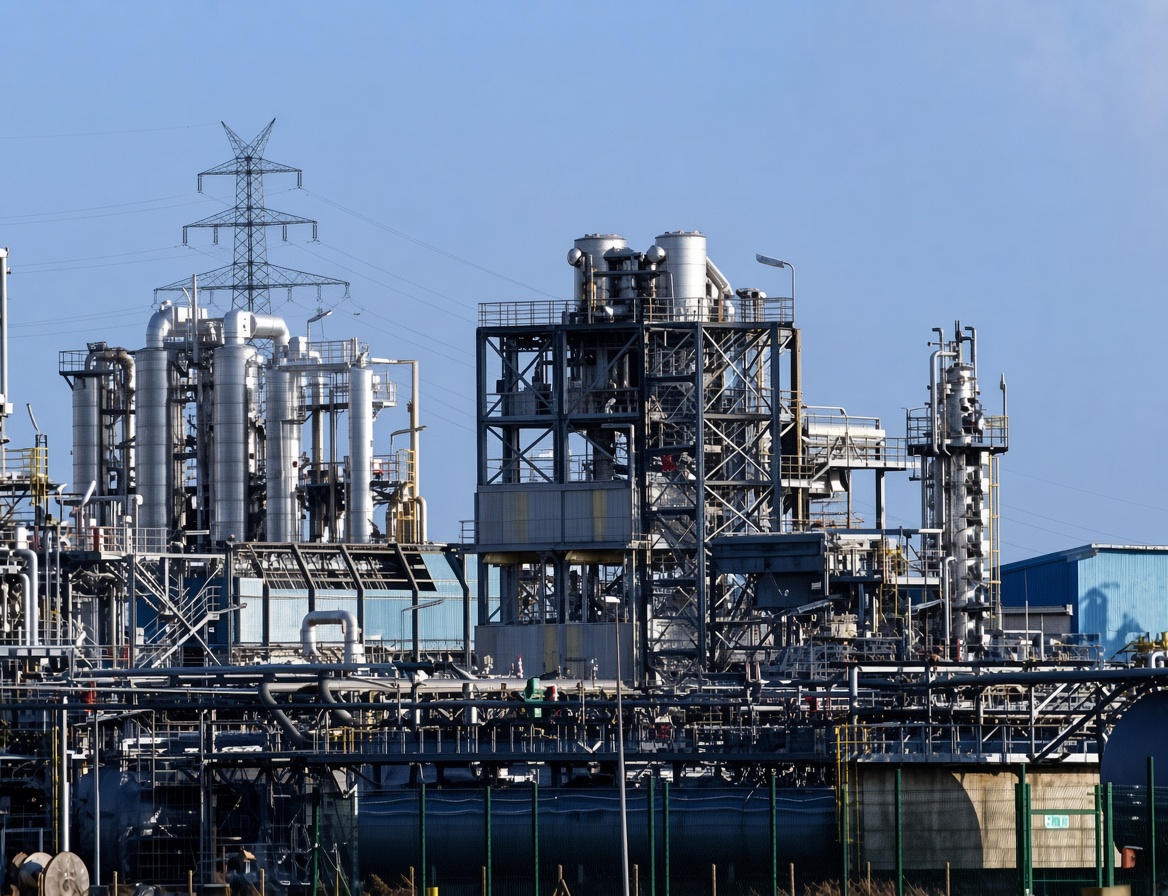
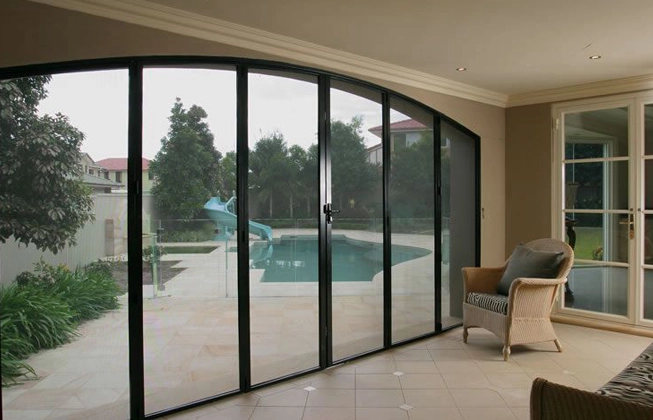
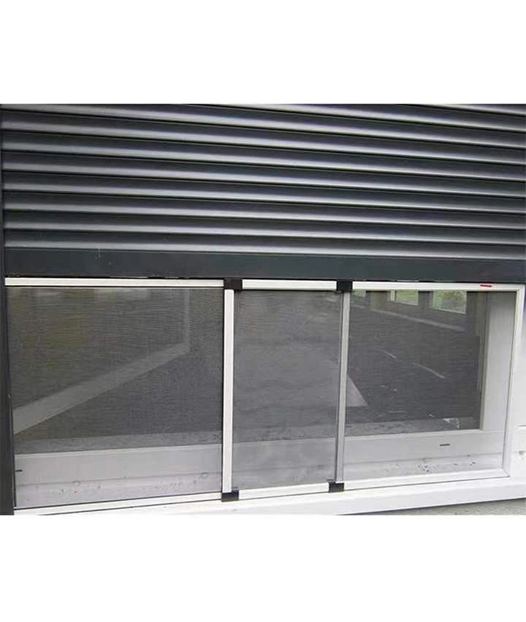
A construction mesh screen is commonly used on building sites to cover scaffolding, window openings, temporary partitions, and exposed working areas. Its main purpose is to reduce dust spread, limit debris movement, and provide a controlled separation between the construction zone and surrounding areas.
Compared with traditional solid barriers, mesh screens allow air circulation while still providing protection. This makes them suitable for projects where ventilation and visibility are important considerations.
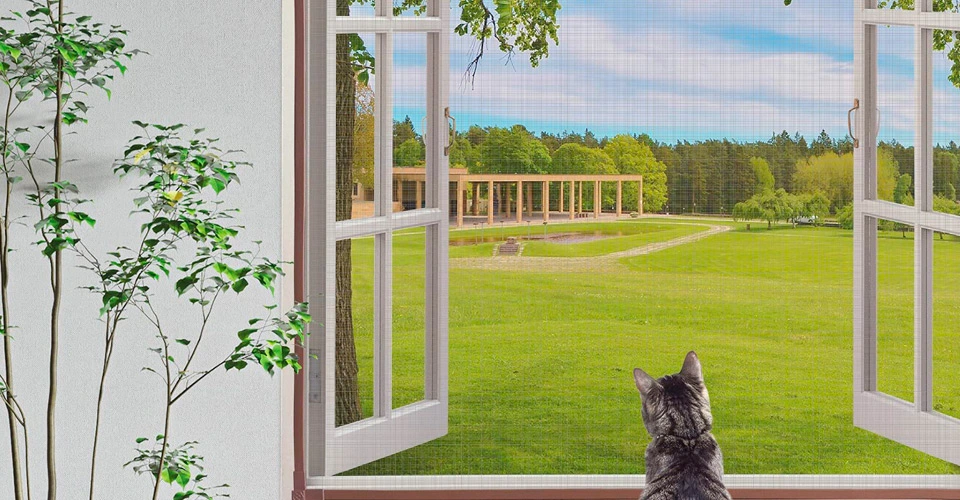
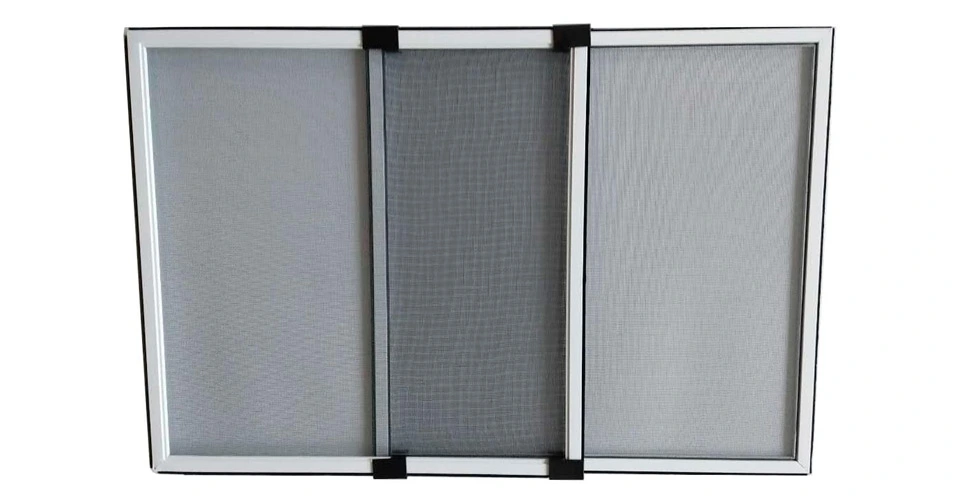
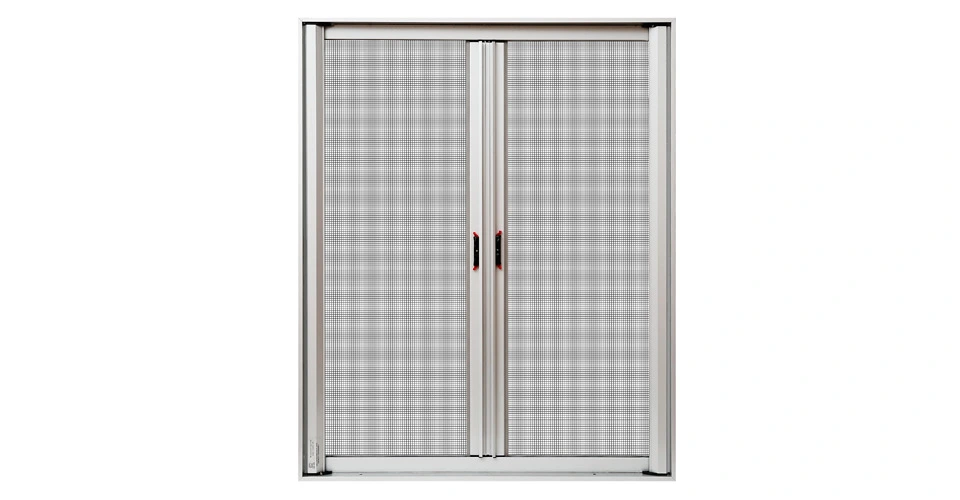
In some applications, buyers may compare these products with building window screens, but construction screens are usually designed for more demanding environments. They need to withstand outdoor exposure, frequent handling, and changing site conditions.
For example, a high-rise construction project may require a stronger construction screen with better wind resistance, while an indoor renovation project may focus more on dust control and easy installation.
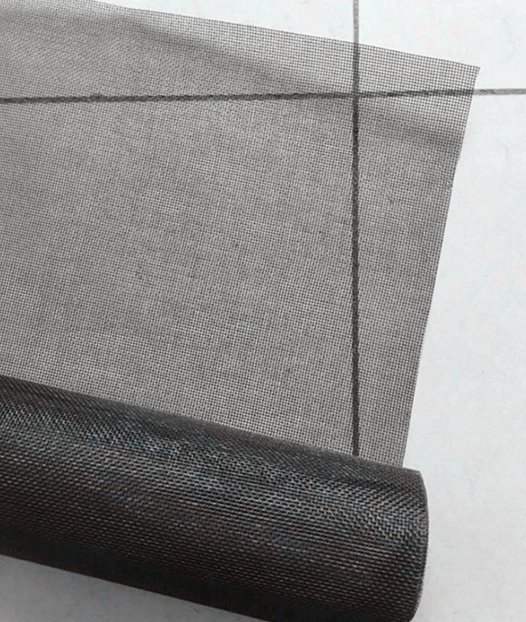
The performance of a construction mesh screen depends largely on the relationship between mesh opening size and airflow. A tighter mesh structure can capture more dust and smaller particles, but it may reduce ventilation. A more open design improves airflow and visibility but may provide less protection.
Therefore, selecting the right construction screen mesh requires understanding the actual working environment. Projects involving cutting, drilling, or demolition may require stronger dust-control performance, while general building applications may prioritize ventilation and visibility.
A properly selected dust screen mesh can help reduce the movement of airborne particles while allowing fresh air to pass through the working area. This balance is especially valuable in outdoor construction environments where completely closed barriers may create heat accumulation and poor airflow.
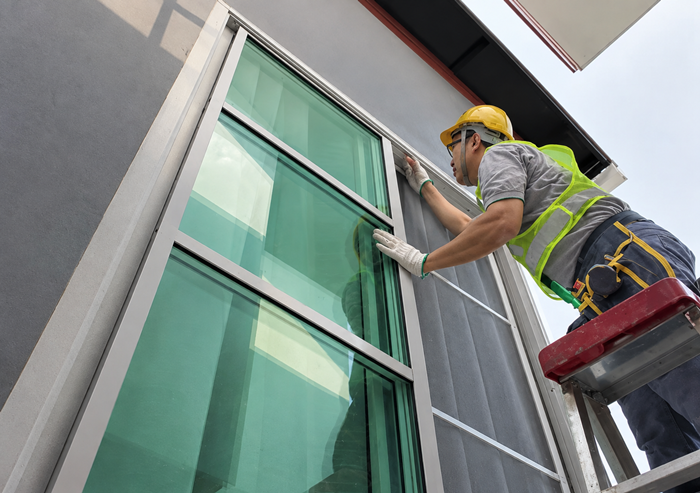
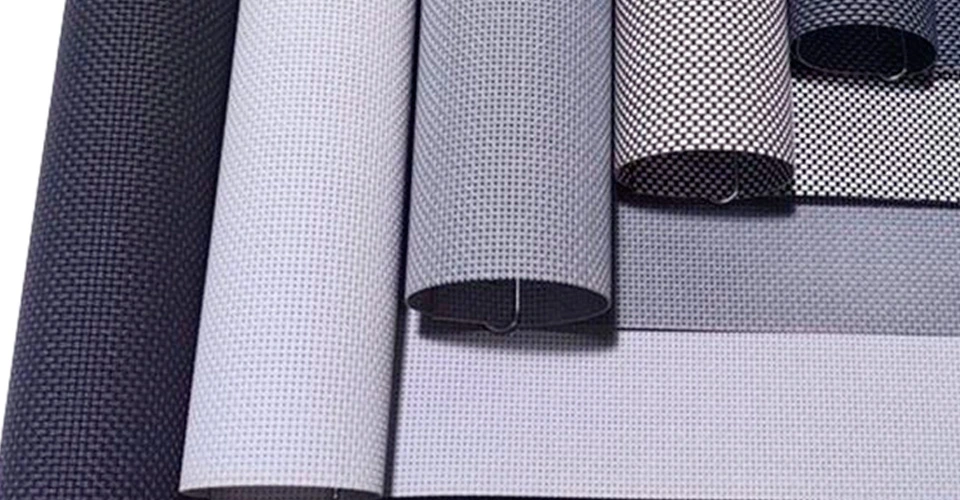
Material selection directly affects the durability and performance of a construction mesh screen. Different materials provide different advantages depending on the project environment, installation period, and exposure conditions.
| Material Type | Main Characteristics | Suitable Considerations |
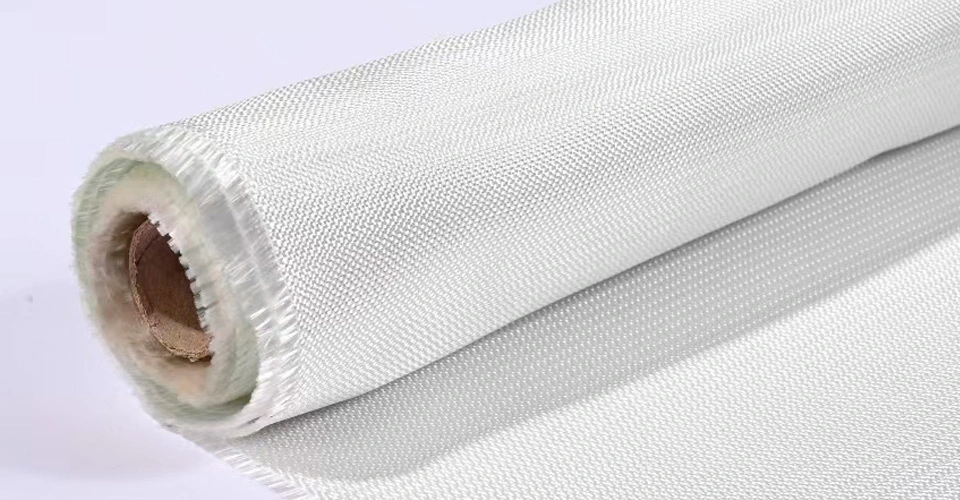
| Fiberglass | Lightweight, stable and resistant to corrosion | Projects requiring dimensional stability and durability |
| PVC-coated mesh | Improved weather resistance and surface protection | Outdoor applications with longer exposure |
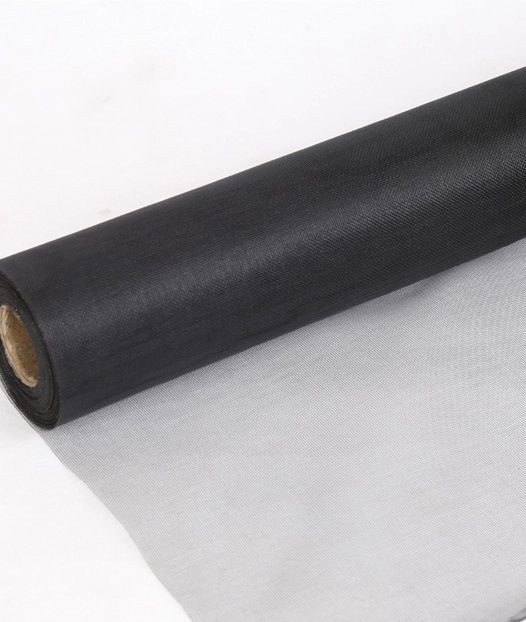
| Synthetic mesh | Flexible and easy to handle | Temporary projects requiring convenient installation |
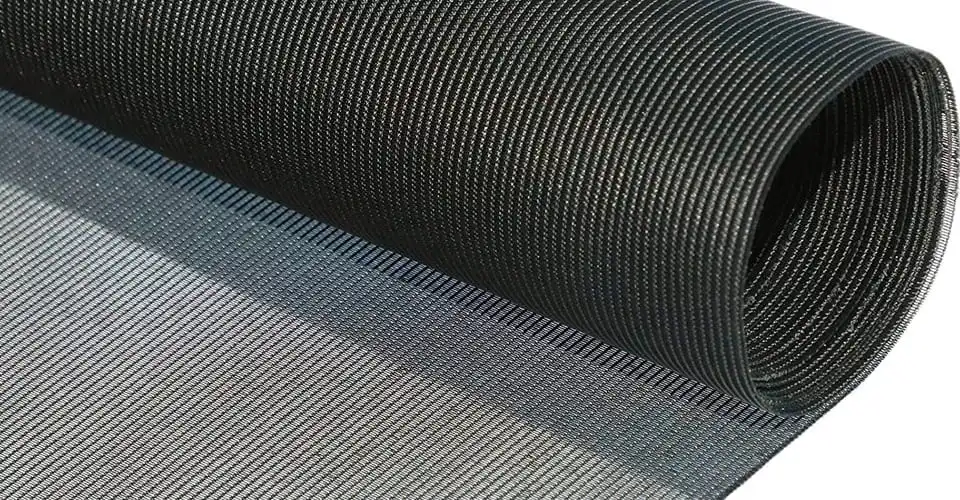
For many applications, fiberglass fabric is considered a practical material because it provides a stable structure while remaining lightweight and easy to install. PVC-coated options may be preferred when the screen needs additional protection against sunlight, moisture, and outdoor conditions.
The correct construction screen fabric depends on the required service life, environmental exposure, and performance expectations. Buyers should evaluate the complete material structure rather than selecting based only on initial cost.
Choosing the correct construction mesh screen requires evaluating several technical factors. Different projects may have different priorities depending on location, construction activity, and local requirements.
Important considerations include:
Mesh size: Smaller openings can improve dust and insect protection, while larger openings provide better airflow and visibility.
Strength and durability: Tensile strength and tear resistance are important for large-area installation and outdoor exposure.
UV resistance: Screens used outdoors should maintain performance after long periods of sunlight exposure.
Fire performance: Certain projects may require specific fire-related characteristics according to regulations and site conditions.
A suitable screen for construction should match the actual project environment. Choosing a product with excessive protection may reduce ventilation, while selecting a weaker option may lead to frequent replacement and higher maintenance costs.
Installation method plays an important role in the performance of a construction mesh screen. Even high-quality materials may not perform properly if the fastening system or supporting structure is unsuitable.
Before installation, buyers should consider:
Frame structure and mounting method
Fastening accessories and connection points
Required maintenance frequency
Expected project duration
Temporary projects may prioritize quick installation and removal, while longer construction periods require stronger fixing systems and better resistance to environmental changes.
Professional suppliers should provide guidance on installation methods to ensure that the construction screen remains stable during use. Proper planning can reduce sagging, damage, and unnecessary replacement costs.
Selecting the right construction mesh screen requires a balance between dust control, airflow, durability, and installation requirements. Different construction environments require different materials, mesh structures, and fastening methods. By evaluating technical specifications and project conditions carefully, buyers can choose solutions that improve site protection and maintain efficient construction operations.
A construction mesh screen is used to control dust, reduce debris movement, and provide environmental protection during construction and renovation projects.
Not necessarily. A tighter mesh can improve dust control, but it may reduce airflow and visibility. The best choice depends on project requirements.
Common materials include fiberglass, PVC-coated mesh, and synthetic fabrics selected according to durability, weather resistance, and application needs.
UV resistance helps maintain material strength and appearance when screens are exposed to sunlight for extended periods.
Buyers should evaluate material quality, customization capability, production consistency, and experience with different construction applications.