



2021-11-26
Learn More
Choosing a fiberglass screen door requires more than matching a nominal door width. Opening dimensions, mesh density, frame rigidity, track design and operating method all affect insect protection, airflow and long-term usability.
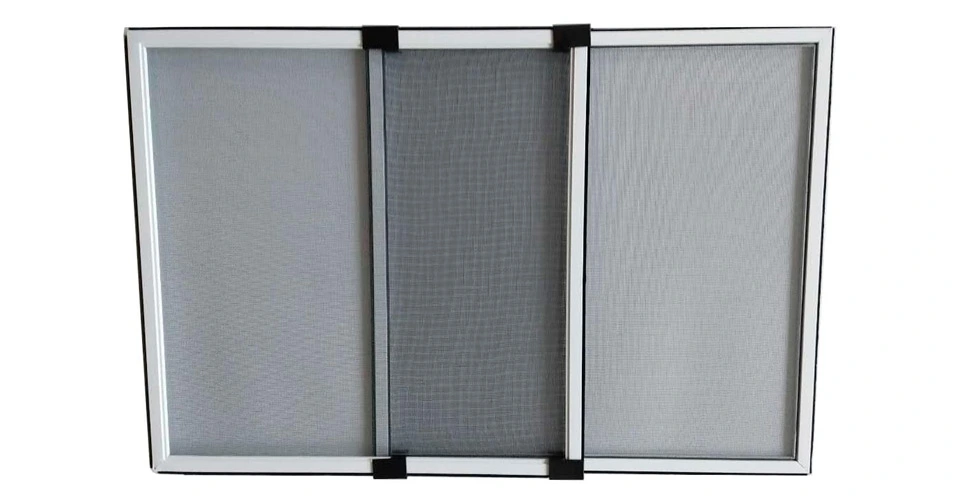
For contractors and B2B buyers, the right system should fit the actual opening, move smoothly and allow convenient cleaning or mesh replacement. An adjustable screen door can solve dimensional variations, while sliding or retractable designs are often better for frequently used patios, balconies and entrances.

A fiberglass screen door should combine accurate sizing, suitable insect mesh, a stable frame and a reliable opening mechanism.
Buyers should evaluate:
Opening method: fixed, adjustable, sliding or retractable.
Frame construction: sufficient rigidity without unnecessary weight.
Mesh specification: matched to insect size and airflow requirements.
Track and rollers: smooth movement with minimal binding.
Adjustment range: especially useful for renovation projects.
Mesh tension: sufficient to remain flat without distorting the frame.
Maintenance: tracks, rollers and mesh should remain accessible.
Screen condition matters as much as the door structure. The CDC mosquito prevention guidance recommends installing and maintaining screens on windows and doors to help keep mosquitoes outside. This makes correct fit, intact mesh and edge sealing practical performance considerations rather than purely cosmetic details.
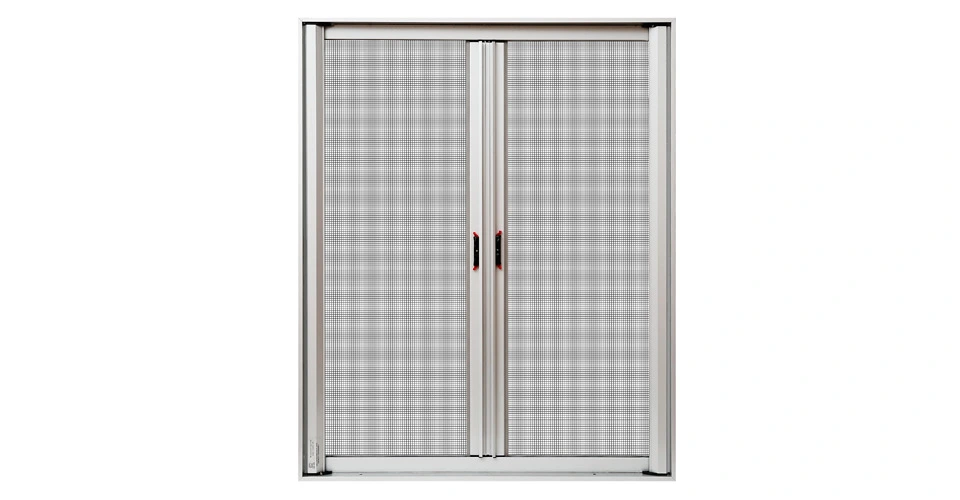
JWFG's fiberglass screen door range includes retractable systems described as durable and adjustable, with 120×210 cm and 110×200 cm product options currently listed.
An adjustable screen door should be selected from the actual clear opening rather than the nominal size of the existing door.
Measure width at the top, middle and bottom, then measure height at more than one point. Renovation openings are not always perfectly square, and even a small difference can affect track alignment.
The frame, rollers and installation allowance must also be considered. A screen panel that exactly matches the structural opening may leave insufficient space for guides or adjustment.
For projects with several slightly different openings, an adjustable screen door can reduce the number of separate size specifications required. Buyers should therefore send finished opening dimensions rather than simply requesting a “standard door.”
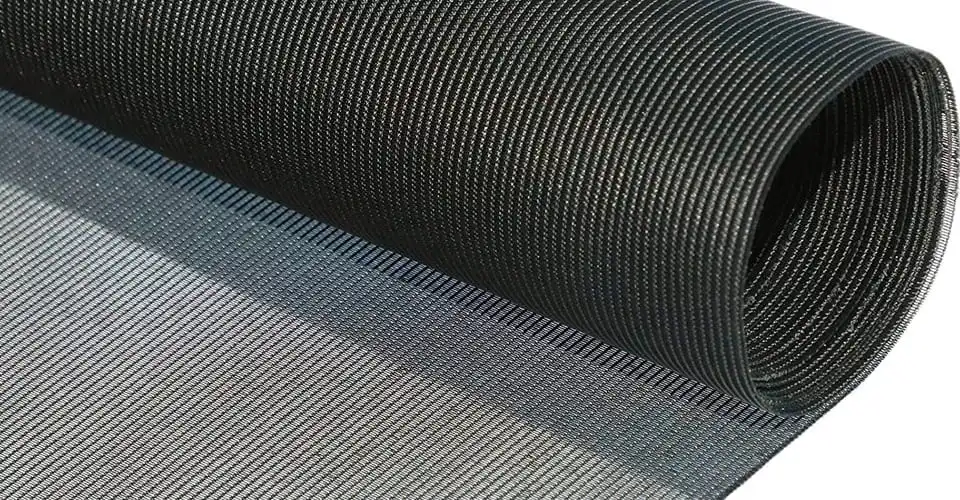
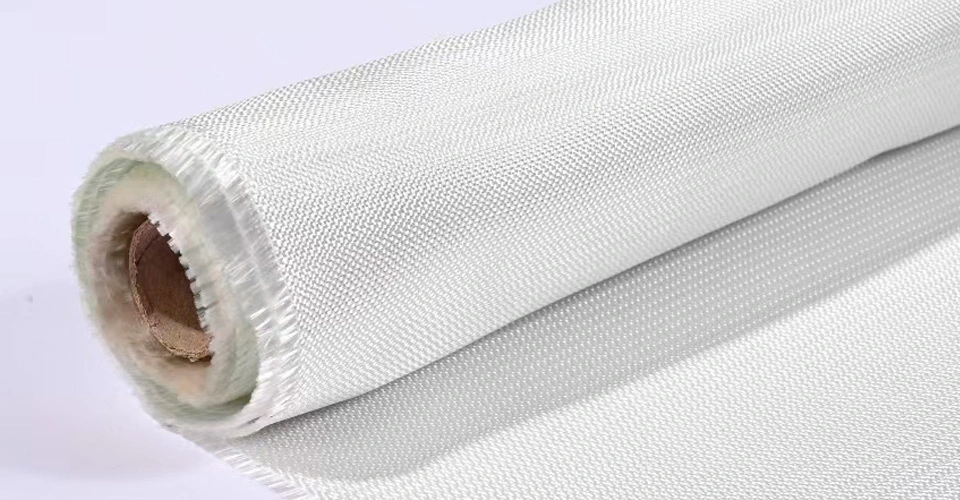
A fiberglass mesh screen door should balance insect protection, airflow, visibility, coating stability and durability.
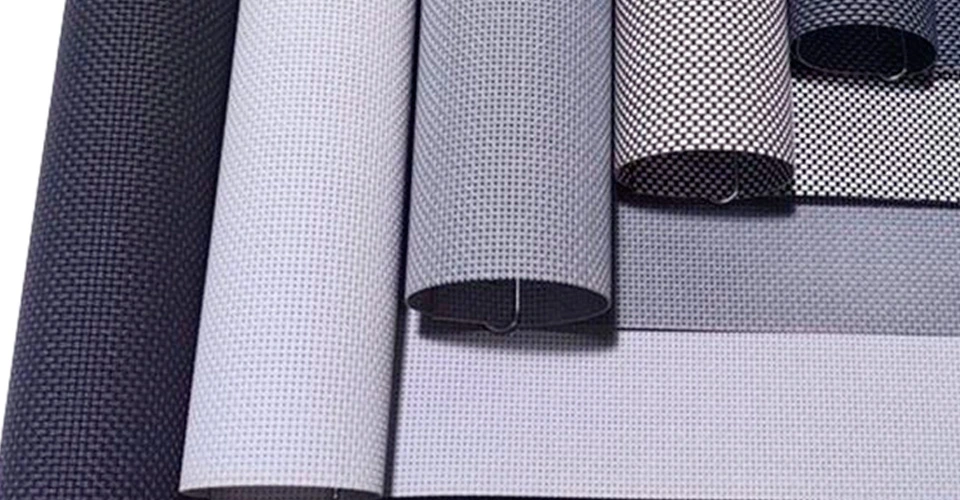
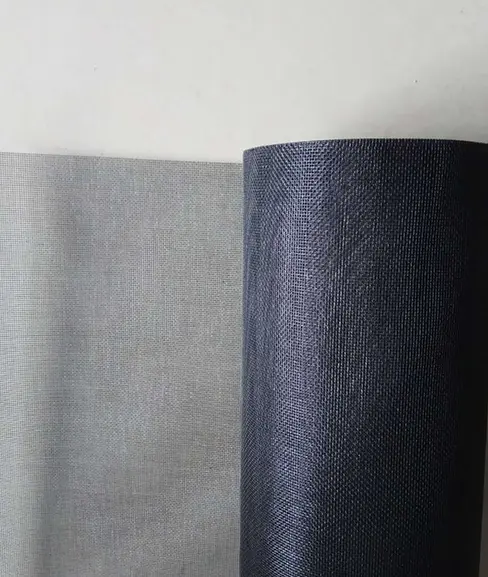
Finer mesh can block smaller insects, but denser construction may reduce airflow and become more visible. Dark mesh often appears less intrusive when looking toward the outdoors, while grey can suit different architectural finishes.
Mesh count alone is not enough to evaluate quality. The ASTM D3656/D3656M standard for insect screening covers vinyl-coated glass-yarn insect screening used for doors, windows, patios and other enclosures and addresses characteristics such as mesh, mass, fabric stability, bursting strength and accelerated-weathering colour stability.
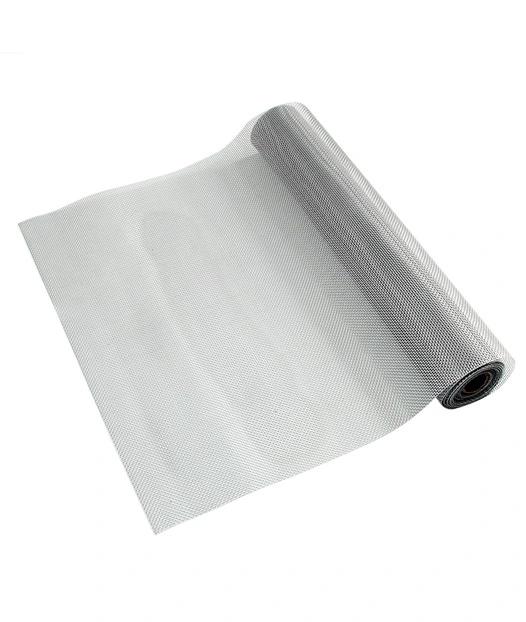
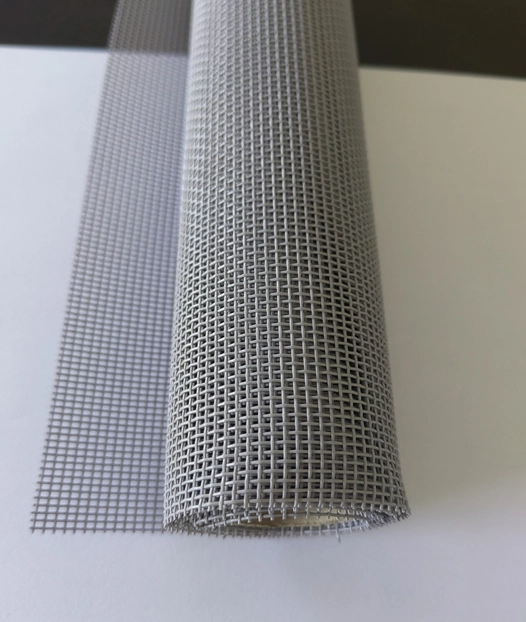
JWFG's fiberglass insect screen china range currently includes constructions such as 18×14, 18×16, 18×18, 20×20 and 25×25 mesh. This gives buyers several options depending on whether ventilation or finer insect protection is the greater priority.
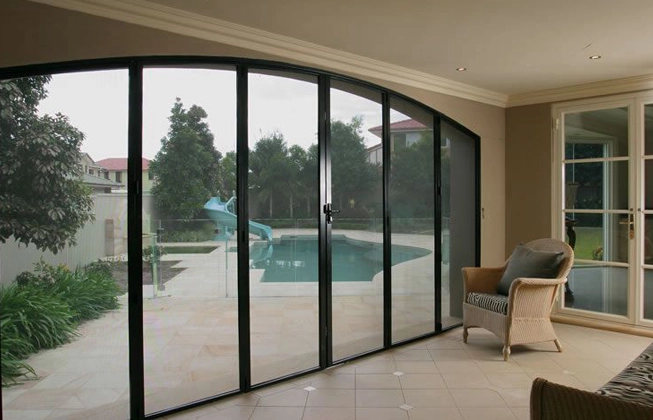
Frame and track design determine whether a sliding screen door remains aligned and operates smoothly after repeated use.
Aluminum is commonly used because it combines relatively low weight with corrosion resistance. However, frame stiffness matters: if the panel twists, roller alignment and mesh tension can change.
Tracks should remain straight, clean and properly positioned. Dirt, poor alignment or worn rollers increase friction and can make the door drag or jump from its intended path.
For a sliding screen door, the complete assembly therefore matters more than mesh alone. Roller quality, corner joints, frame rigidity and track geometry determine how the system feels after months or years of operation.
Fixed, adjustable, sliding and retractable screen doors differ mainly in installation flexibility, usable opening space and operating convenience.
| Type | Main Advantage | Limitation | Best Application |
|---|---|---|---|
| Fixed | Simple structure | Limited flexibility | Standard openings |
| Adjustable | Easier size matching | More adjustment parts | Renovation projects |
| Sliding | Convenient frequent access | Needs track maintenance | Patios and balconies |
| Retractable | Stores compactly | More complex mechanism | Wide or modern openings |
An adjustable screen door is useful where dimensions vary slightly between openings. Sliding systems are practical for frequently used entrances, while retractable designs free more of the opening when the screen is not needed.
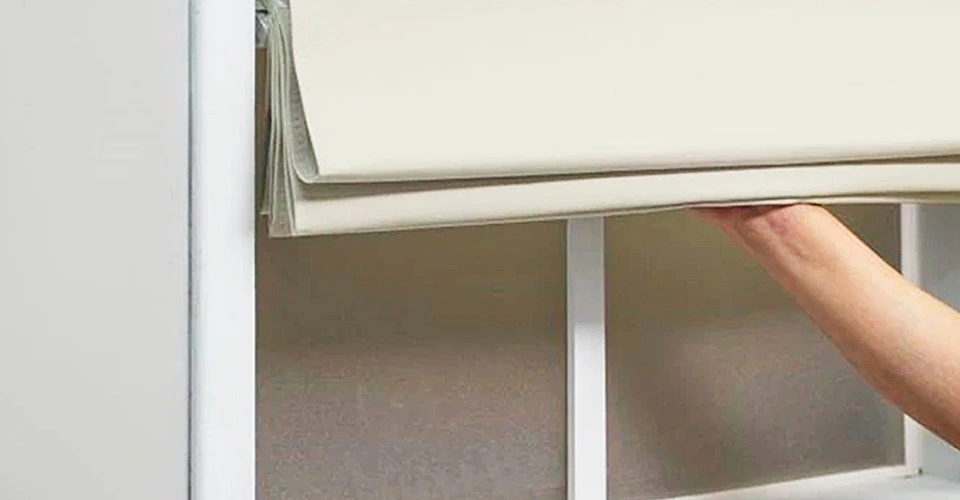
For wider entrances, a plisse mosquito net provides another retractable solution. JWFG currently lists pleated-screen products in 18×16 and 20×20 mesh with pleat heights including 14, 15, 18 and 20 mm, allowing the screen format to be matched to different window and door systems.
A sliding insect screen door for frequent use should prioritize durable tracks, stable mesh tension, reliable rollers and simple maintenance.
Patio, balcony and commercial entrances may be opened many times each day. A minor alignment problem that is barely noticeable in occasional use can become a major maintenance issue under frequent operation.
The frame should remain square, rollers should move without excessive play, and mesh tension should keep the material flat without pulling the panel out of alignment.
Cleaning is also important because dust and debris tend to collect in lower tracks. For apartments, hotels and other high-use projects, replaceable rollers and accessible mesh can reduce long-term maintenance effort.
Sliding screen door manufacturers need complete dimensions and application information to manufacture and quote the correct system.
A useful B2B RFQ should include:
Opening width × height
Screen type: adjustable, sliding, fixed or retractable
Mesh count and material
Frame material and colour
Opening direction
Order quantity or annual demand
Application: patio, balcony, hotel or residential project
Packing and export requirements
Providing these details allows sliding screen door manufacturers to recommend a suitable system rather than quoting from dimensions alone.
Choosing a fiberglass screen door starts with accurate opening measurements, but size is only one part of the decision. Mesh density, frame rigidity, track alignment and opening method all influence insect protection and daily operation.
An adjustable screen door provides flexibility for non-standard openings, while a well-designed sliding screen door suits frequently used entrances. For B2B projects, complete size, mesh, frame and application information is the best basis for comparing quotations and reducing installation problems.
Yes. It is lightweight, flexible and widely used for window and door insect-screen systems.
Measure clear width and height at several points and allow space for the frame, tracks and adjustment system.
It is more flexible for non-standard openings, while fixed systems can be simpler for standardized dimensions.
Keep tracks free of dust and inspect roller alignment when movement becomes rough or noisy.
Size, mesh, frame design, operating mechanism, customization, order quantity and packaging can all affect cost.