



2025-10-02
Learn More
Choosing a pollen screen is not simply a matter of selecting the finest mesh available. The mesh structure has to balance particle blocking, airflow, material strength, visibility, cleaning and the way the screen will be installed. For buyers comparing different pollen-filtering window screens, understanding mesh size is therefore an important step before selecting a product.
Pollen is also not a single standardized particle size. Research published through PubMed reports that pollen particles commonly associated with allergic rhinoconjunctivitis can be around 20–60 μm in diameter, while other research reports wider ranges depending on plant species and pollen type. This is one reason why a pollen screen should be evaluated as a complete mesh construction rather than by mesh count alone.
Mesh size refers to the number and arrangement of openings in a screen, while the actual opening size also depends on factors such as wire or yarn diameter and mesh construction.
In woven screening, mesh count is commonly expressed by the number of openings per linear inch. A U.S. government specification for hardware cloth defines mesh count in terms of meshes per linear inch and also notes that “mesh” is commonly used to describe the number of openings per linear inch.
This distinction matters when comparing pollen screens.
A higher mesh count generally means that the openings are more numerous and potentially smaller, but mesh count alone does not tell the complete story. The thickness of the yarn or wire also occupies part of each opening. As a result, two screens with the same nominal mesh count can have different opening dimensions when their wire or yarn diameters differ.
For pollen-screen applications, buyers should therefore look beyond a single number and examine at least four related factors:
| Factor | What It Describes | Why It Matters |
| Mesh count | Number of openings in a given linear distance | Indicates the density of the mesh |
| Opening size | Clear space between yarns or wires | Affects which particles can pass through |
| Wire or yarn diameter | Thickness of the mesh material | Influences strength and available open area |
| Open area | Proportion of the screen that is open | Helps determine how freely air can pass |
This is especially important when a screen is intended to reduce pollen entry while still allowing a window to provide natural ventilation.
A pollen screen has to perform two functions that can pull in different directions: it needs to create a sufficiently fine physical barrier while still allowing air to move through the window opening.
The basic principle is straightforward. Smaller openings create a more restrictive physical barrier for particles that are larger than those openings.
Pollen grains vary considerably by plant species. A systematic review available through PubMed Central notes that pollen size generally varies around 20–100 μm, while other medical literature places many wind-carried pollen particles in the 20–60 μm range.
That does not mean a screen with a particular mesh count will automatically remove every pollen-related particle. Whole pollen grains are only one part of the picture.
For this reason, a window screen should not be described as an absolute barrier for all airborne allergens simply because its mesh is fine. The actual result depends on particle characteristics, screen construction, installation quality and environmental conditions.
A finer screen can also affect airflow because more material is present across the same surface area.
Natural ventilation relies on air moving through operable windows and other openings. The practical goal is therefore not to make the screen as dense as possible. It is to find a mesh construction that provides the required level of pollen protection without unnecessarily restricting ventilation.
This balance becomes particularly relevant in homes, offices and other buildings where occupants want to open windows during suitable outdoor conditions.
Mesh count should never be evaluated in isolation.
The relationship between mesh count, wire diameter and opening width is well established in mesh engineering. Research on mesh structures shows that mesh count, wire diameter and opening width are interconnected parameters that determine the resulting screen geometry.
For example, increasing mesh density does not automatically mean that two screens will perform identically. The thickness of the yarn or wire can change the size of each opening and the proportion of open area.
Once mesh structure is understood, several additional factors should be considered before choosing a screen for a particular window or project.
Start with the intended filtration requirement. If the main objective is pollen reduction, a screen designed specifically for fine-particle applications may be more appropriate than a conventional insect screen.
However, do not assume that the highest available mesh count is automatically the right choice. The screen should be evaluated together with its opening structure and intended airflow requirements.
Material affects flexibility, strength, cleaning and service conditions.
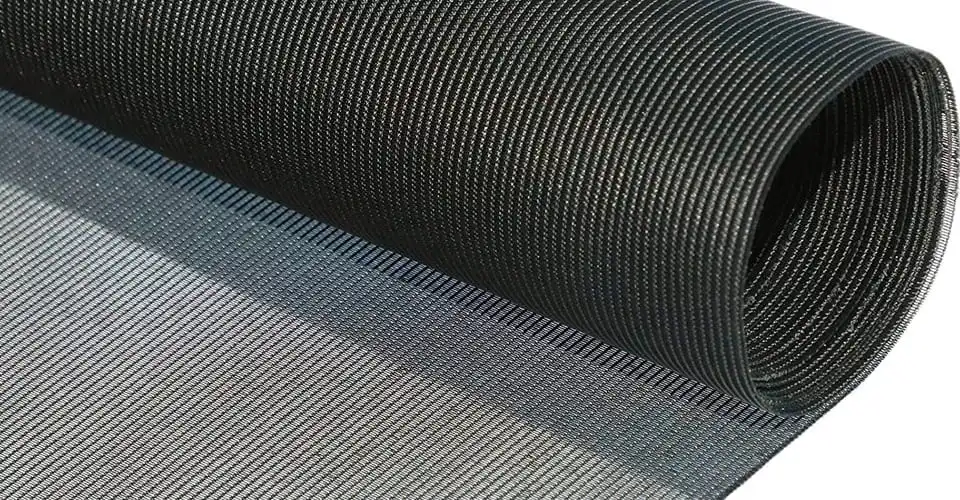
JWFG's pollen screen is made from polyester fiber. The company states that its pollen screen uses a thin wire diameter to reduce wind resistance and is designed to provide a barrier against pollen and fine particles while allowing air to pass through.
For projects involving repeated installation, cutting or cleaning, material characteristics become particularly important.
Consider how frequently the window is opened and how important natural ventilation is to the building.
The U.S. EPA identifies windows and doors as potential pathways through which outdoor biological contaminants, including pollen, can enter indoor spaces. This means screen selection should be part of a broader ventilation strategy rather than treated as an independent allergy-control measure.
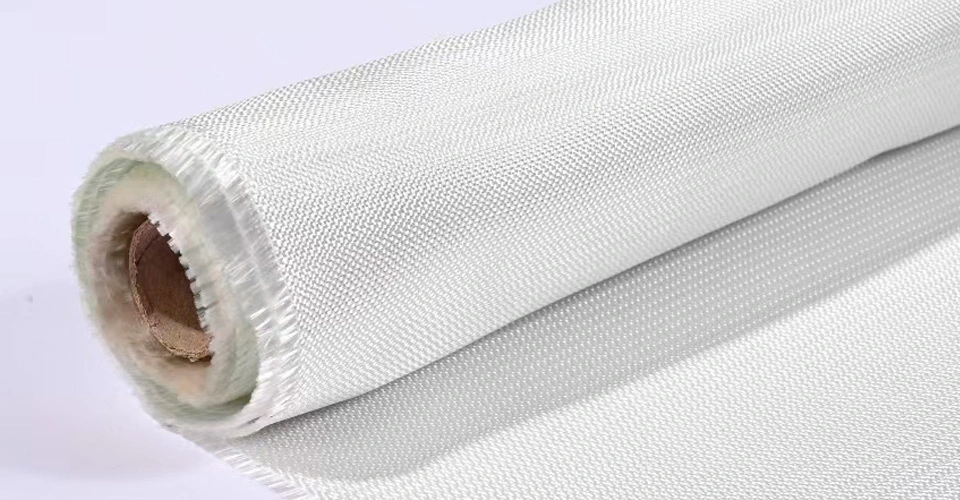
For projects that require bulk quantities of screening material, a wholesale window screen solution should also be evaluated according to mesh consistency, material specifications, roll handling and the requirements of the finished screen system.
Even a well-designed mesh can perform poorly if it is not properly fitted.
Gaps around the frame can provide an easier path for outdoor particles than the mesh itself. The installation method should therefore be compatible with the window frame and allow the screen to sit securely across the intended opening.
JWFG states that its pollen screen can be cut and installed conveniently and that the material is easy to clean and has strong pull strength.
Fine screening can collect dust and pollen over time. A practical product should therefore be maintainable without making cleaning unnecessarily difficult.
The cleaning method should follow the manufacturer's instructions, and the screen should be checked periodically for tears, loose edges or deformation. A damaged screen cannot provide the same continuous barrier as an intact one.
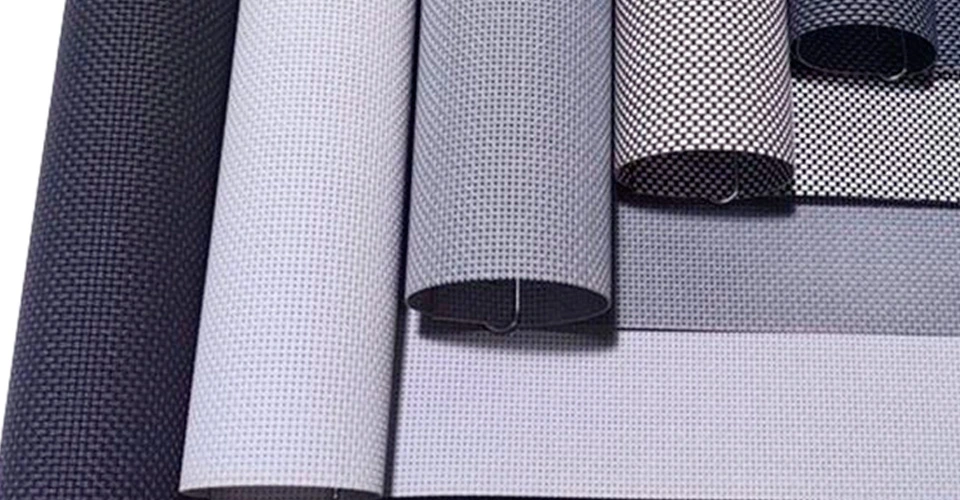
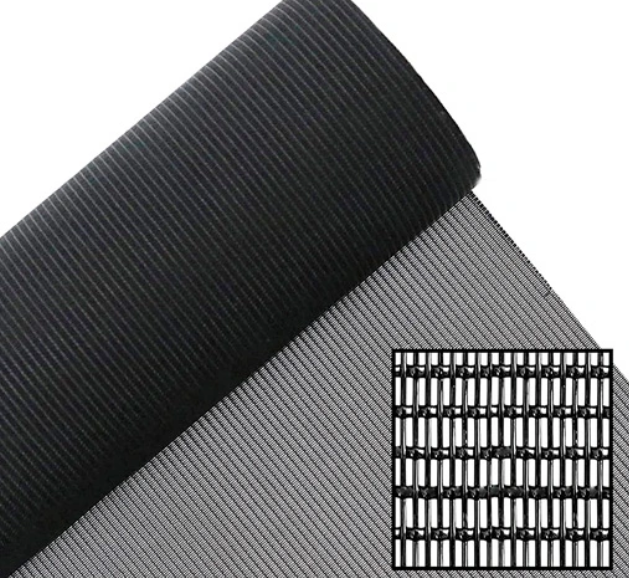
JWFG lists a 17×60 Mesh Pollen Screen as its pollen-screen product. The product is made from polyester fiber and is designed around a fine mesh structure intended to reduce the entry of pollen and fine particles while allowing airflow.
The important point is that “17×60” should be treated as a product specification, not as a universal performance rating for every pollen screen.
The two mesh figures describe the mesh construction in different directions. As with other woven screens, the actual opening characteristics depend on the relationship between mesh density and the diameter of the material forming the mesh.
For applications where pollen control, ventilation and easy handling are all important, JWFG positions its pollen screen for residential, medical, industrial and business environments.
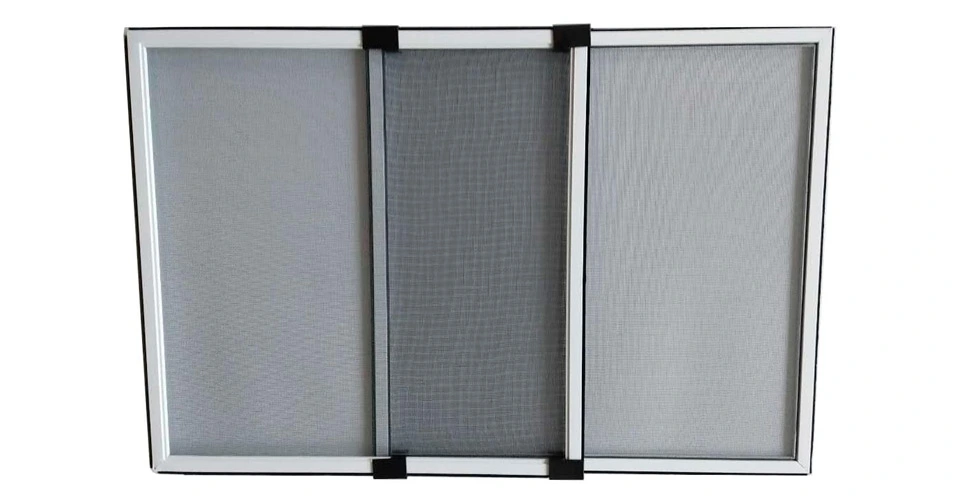
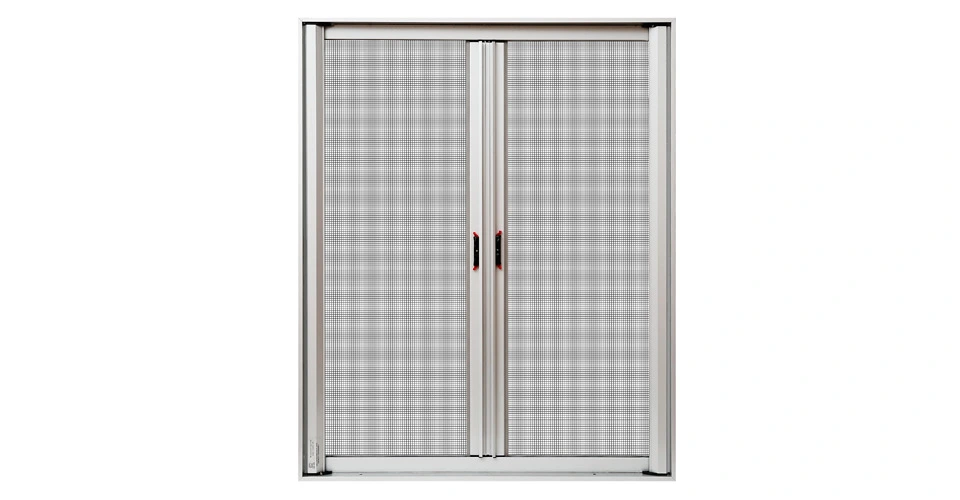
If a project requires a fine screen for window applications, the anti pollen window screen can be evaluated according to the actual window dimensions, installation method and required ventilation conditions.
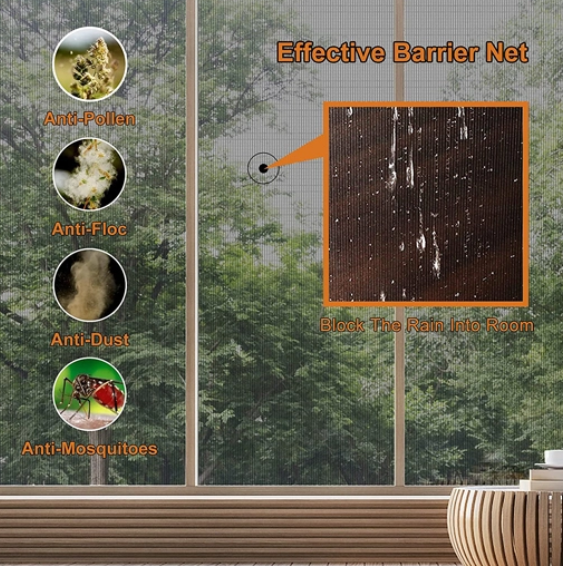
Pollen screens are relevant wherever windows need to remain open or ventilated while reducing the entry of outdoor pollen and other particles.
Residential windows in areas with seasonal pollen
Office buildings where operable windows are used
Medical and care environments where appropriate screening is required
Commercial buildings with naturally ventilated spaces
Industrial or working areas where outdoor dust and pollen may enter through openings
The right specification can vary considerably between these environments.
A residential window may prioritize visibility, easy cleaning and everyday ventilation. A commercial project may place greater emphasis on consistent mesh quality, quantity, dimensional requirements and long-term maintenance. A medical or specialized facility may have additional building and indoor-air requirements that cannot be addressed by a window screen alone.
This is also where working with an experienced window mesh screen supplier can simplify procurement. A supplier should be able to provide the mesh specification, material information and application guidance needed to determine whether a particular screen is appropriate for the project.
Rather than choosing a pollen screen based on one specification, use the following checklist when comparing products:
| Selection Factor | Question to Ask | What to Look For |
| Mesh construction | How fine is the mesh? | Appropriate density and consistent openings |
| Opening structure | What is the actual opening size? | Specification supported by technical data |
| Material | What is the screen made from? | Material suited to the application |
| Yarn/wire diameter | How thick is the mesh material? | Balance of strength and open area |
| Airflow | How important is ventilation? | Mesh designed for the required airflow |
| Installation | How will the screen be fitted? | Compatible frame and secure attachment |
| Maintenance | How will pollen and dust be removed? | Cleanable and durable surface |
| Supply | Is the same specification needed in volume? | Consistent production and bulk supply capability |
This approach is more reliable than asking only, “What is the highest mesh count available?”
The right screen is the one whose complete construction matches the application's filtration, airflow, durability and installation requirements.
Choosing a pollen screen starts with understanding mesh, but mesh count alone is not enough. Opening size, yarn or wire diameter, material, airflow, installation and maintenance all affect the suitability of a screen. JWFG's 17×60 polyester pollen screen provides a specific option for projects seeking a balance between pollen protection and ventilation. Buyers should compare complete technical specifications with their actual window and application requirements before making a final selection.
There is no single mesh size that is best for every application. The appropriate choice depends on the required particle barrier, airflow, material, opening structure and installation conditions. A fine pollen screen should be evaluated using its complete technical specification rather than mesh count alone.
No. A higher mesh count generally indicates a denser mesh structure, but actual opening size also depends on the diameter of the material used to form the mesh. Mesh count, opening size and material diameter should therefore be considered together.
A denser screen can affect airflow because less of the total surface area may remain open. The actual effect depends on the screen's construction and open area. Since natural ventilation relies on air movement through window openings, airflow should be considered alongside filtration when selecting a screen.
No. A window screen should not be treated as a complete air-filtration system. Pollen varies in size, and research shows that pollen can also generate smaller fragments under certain conditions. Indoor air quality depends on multiple factors, including outdoor conditions, ventilation and other filtration or source-control measures.