


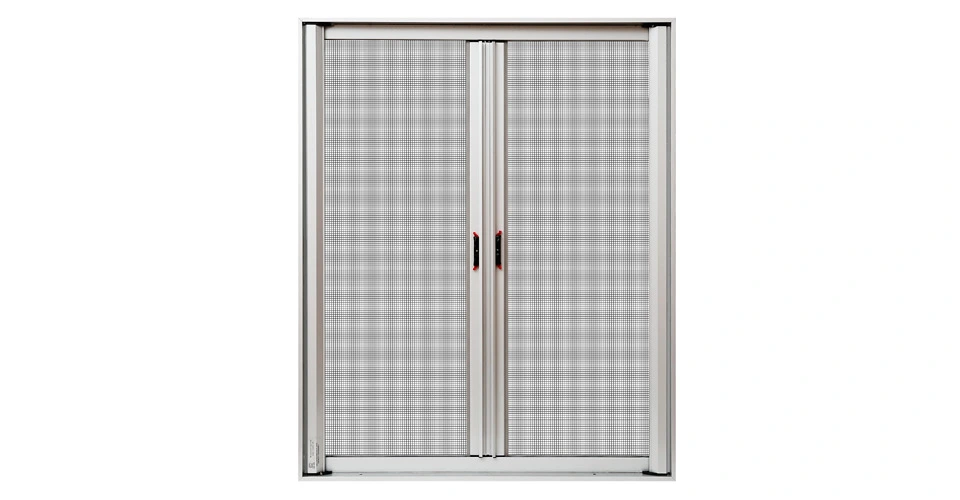
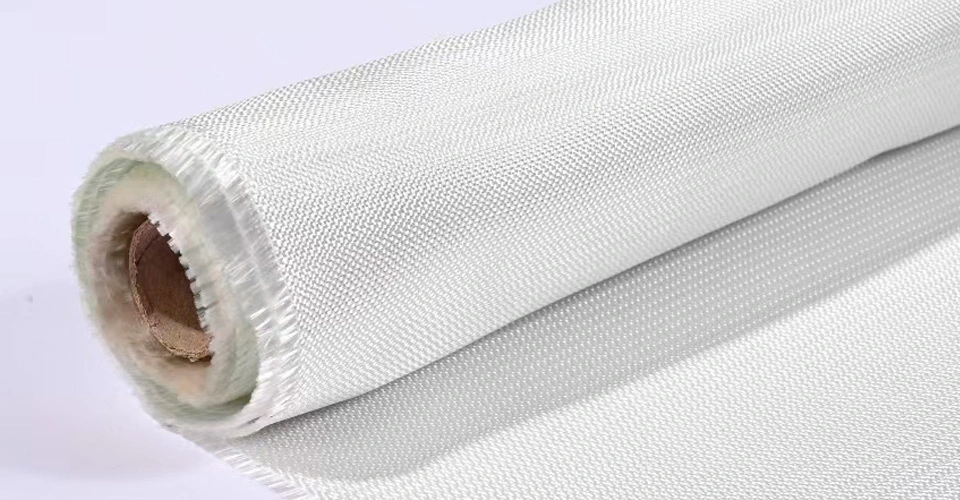
When sunlight enters through a window, it can provide useful daylight and an outdoor view, but excessive solar exposure may also create glare, heat, and discomfort. For homes, offices, commercial buildings, and other spaces with large glazed areas, both sunshade screens and solar window films can be used as part of a solar-control strategy. However, they are not the same type of solution.
A sunshade screen is a woven shading material installed over or around a window to reduce solar exposure, while solar window film is a thin film applied directly to the glass to modify how sunlight passes through the glazing. Their installation methods, construction, appearance, operation, and project applications are therefore different.
Understanding these differences is useful for architects, window-covering manufacturers, distributors, contractors, and property owners who need to select an appropriate solar-control solution.
What Is the Difference Between a Sunshade Screen and Solar Window Film?
The most obvious difference is where each product is installed.
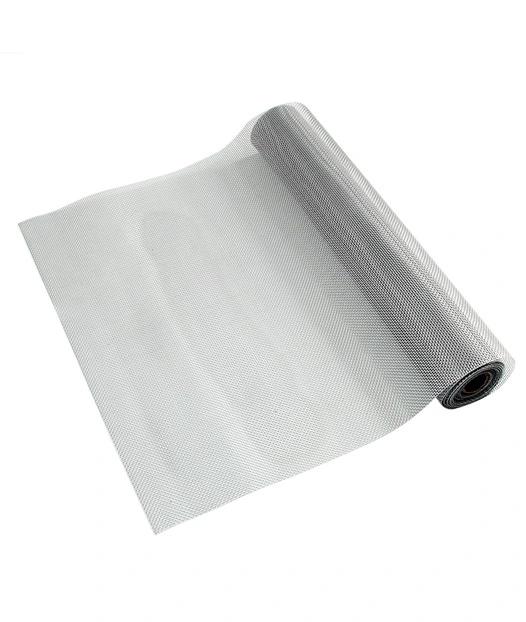
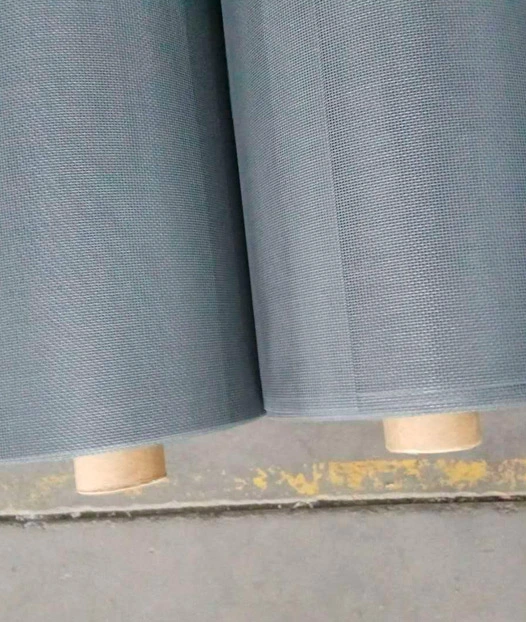
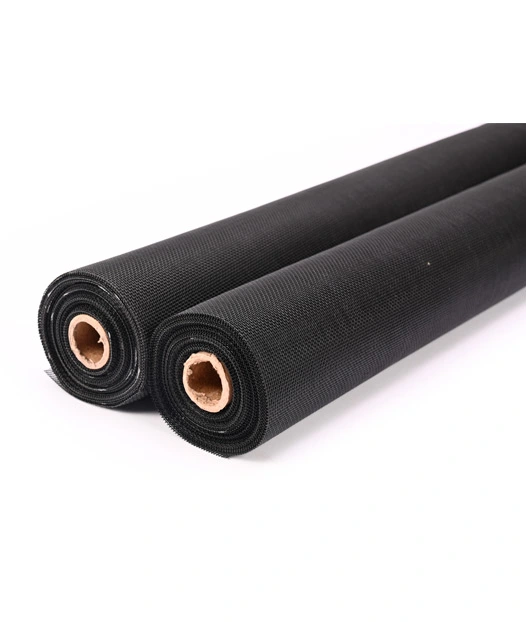
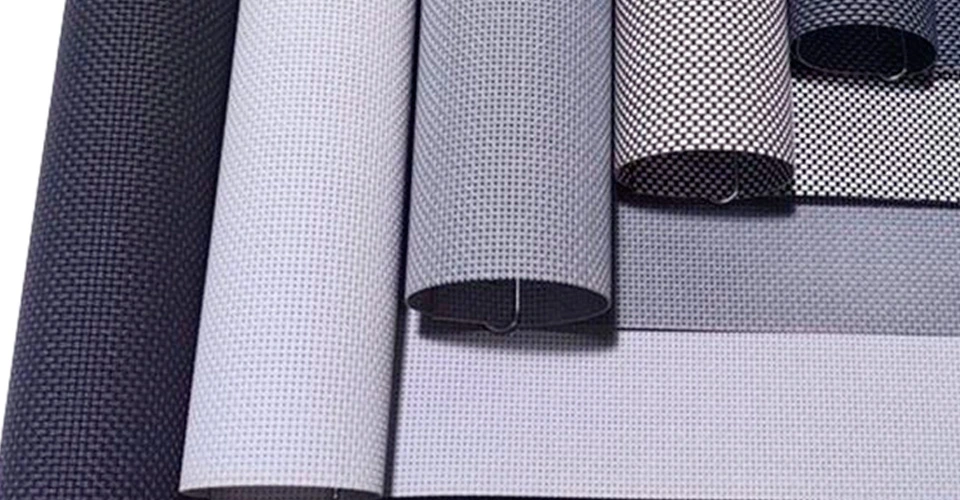
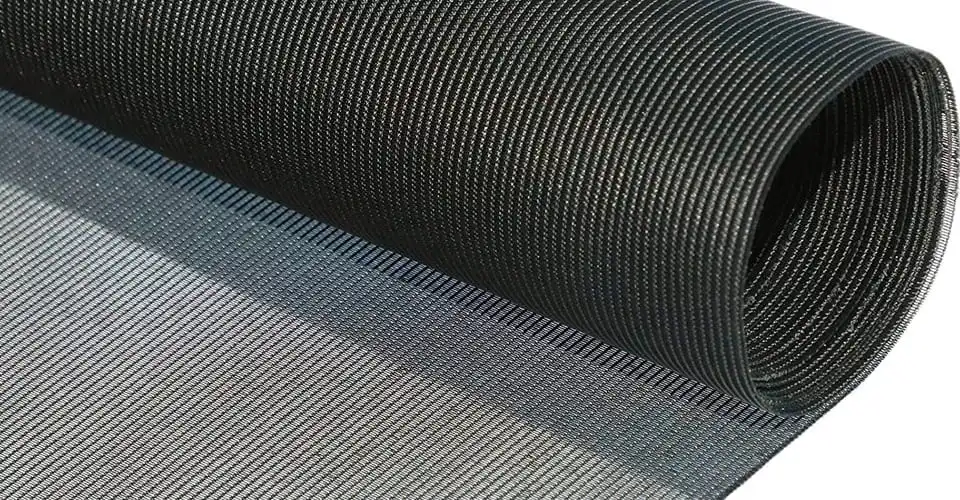
A sunshade screen is a separate textile-based shading layer. Depending on the system, it may be used as a roller shade, screen, exterior shading layer, or part of another window-covering system. Common sunshade screen constructions use coated woven fabrics, including polyester+PVC and fiberglass+PVC materials.
Solar window film, by contrast, is a thin film applied directly to the glass surface. Its purpose is to alter the transmission, reflection, or absorption of solar radiation through the glazing.
This difference affects how each solution interacts with the window.
Sunshade Screen
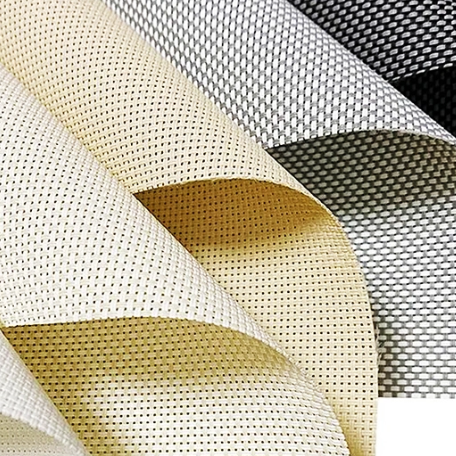
A sunshade screen provides a physical layer between the occupied space and incoming sunlight. The fabric structure controls how much light can pass through while maintaining a degree of visibility and daylight, depending on its specification.
For example, openness is an important characteristic of screen fabrics because the open structure affects daylight transmission and the ability to see through the material.
The screen can also be integrated into a roller blind system, making it possible to control the amount of shading according to the needs of the space.
Solar Window Film
Solar window film works directly on the glazing. Rather than adding a separate woven screen, the film becomes a layer on the glass.
Window films can be used as a retrofit approach when changing the entire window assembly is not practical. Their performance depends on the type of film and the existing glazing system.
The U.S. Department of Energy notes that window technologies can be selected to balance daylight, outdoor views, solar heat gain, and comfort.
How Are Sunshade Screens and Solar Window Films Installed?
Installation is one of the most practical differences between the two solutions.
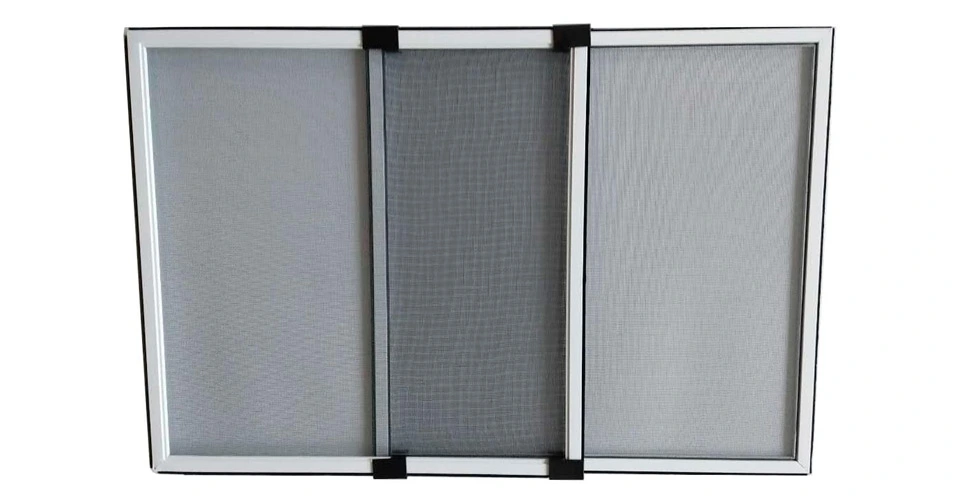
A sunshade screen remains a separate component from the glass. It can be installed in front of a window or incorporated into a window-covering system. This makes it particularly relevant when the project requires a movable or replaceable shading layer.
Solar window film is applied directly to the glazing surface. Once installed, it becomes part of the window's visible surface rather than functioning as a separate blind or screen.
| Factor | Sunshade Screen | Solar Window Film |
| Basic construction | Woven shading fabric | Thin film layer |
| Relationship with glass | Separate from the glazing | Applied directly to glazing |
| Typical installation | Screen, roller blind, or shading system | Directly onto window glass |
| Operation | Can be fixed or integrated into an operable shade system | Generally remains attached to the glass |
| Replacement | Screen fabric can be replaced separately | Film must be removed and replaced |
| Design flexibility | Fabric, openness, color, width, and construction can be specified | Film type and optical characteristics depend on the selected product |
| Outdoor applications | Suitable products can be incorporated into outdoor shading systems | Primarily associated with glazing |
The installation environment should therefore be considered before selecting a solution. A project that already uses roller blinds, exterior screens, or other shading systems may approach solar control differently from a project where the glass itself needs to be modified.
How Do They Affect Daylight, Visibility and Privacy?
Solar control is not only about reducing heat. Windows also provide daylight and views, so excessive shading can change the visual character of a room.
The U.S. Department of Energy identifies daylight, outdoor views, natural ventilation, and solar heating as important functions of windows. It also explains that shading can be used to control unwanted heat and glare.
Daylight and Outside View
Sunshade screen fabric can be designed with different levels of openness. This allows manufacturers and project buyers to select a fabric according to the desired balance between daylight, outside visibility, and solar control.
A more open fabric generally allows more visual connection with the exterior, while a more closed construction can provide greater screening. The actual result depends on the fabric specification, lighting conditions, window orientation, and installation.
Solar window film takes a different approach because it remains on the glass. Depending on the film, it can alter the amount and character of light passing through the window without adding a separate textile layer.
Glare
Glare becomes particularly important in offices, meeting rooms, classrooms, and other spaces where people need to view computer screens or other visual information.
The U.S. Department of Energy specifically identifies shading as a strategy for glare control and notes that fine mesh roll screens can reduce illumination and glare while maintaining a connection with the outdoor view.
Neither product should automatically be assumed to eliminate glare completely. The result depends on the product specification, window orientation, sun position, interior layout, and surrounding surfaces.
Privacy
Privacy is another consideration.
A sunshade screen can provide daytime screening by limiting direct visibility through the window, depending on its openness and the relative brightness between the interior and exterior. Solar window films can also change the visual relationship between the inside and outside, but the privacy effect depends heavily on the specific film.
For projects where privacy and outside visibility are both important, samples should be evaluated under realistic lighting conditions rather than relying only on a product description.
What Are the Practical Differences in Everyday Use?
The two solutions can also create different experiences during everyday operation.
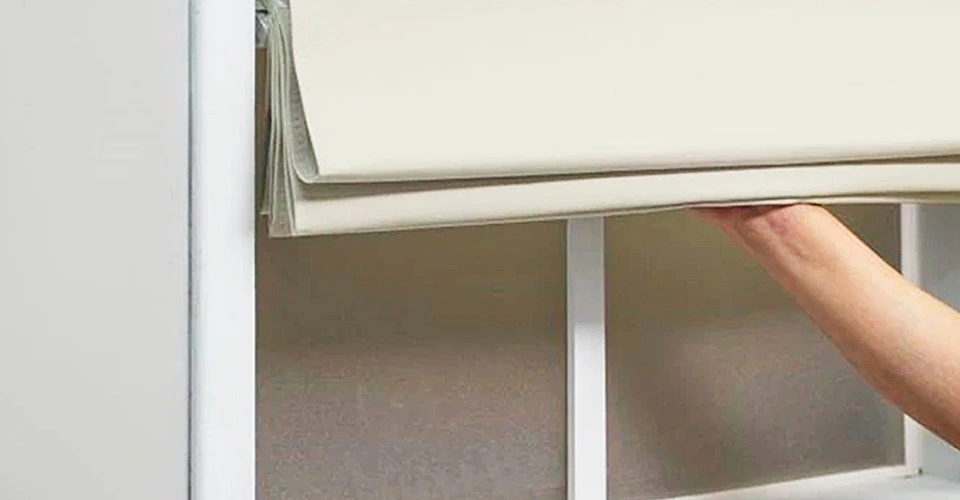
A sunshade screen can be part of an operable shading system. For example, a roller blind can be lowered when direct sunlight becomes uncomfortable and raised when more daylight or visibility is wanted.
This gives the shading layer a functional role in the room rather than permanently changing the appearance of the glass.
Another consideration is ventilation. Because a sunshade screen is physically separate from the glazing, it can be incorporated into certain window and shading configurations without becoming a coating on the glass. Whether a particular arrangement permits window operation depends on the installation design.
Solar window film is more visually integrated with the window because it remains on the glass. It does not require a separate blind mechanism, which can be useful when a project wants a relatively unobtrusive retrofit.
Maintenance and replacement should also be considered. A textile screen may be replaced as part of a shading-system renovation, while window film requires a different removal and installation process.
For manufacturers and distributors sourcing screen fabric, these differences make product specifications particularly important. The right sun shade screen mesh should be evaluated according to the intended window system rather than simply selected by appearance.
Which Applications Suit Sunshade Screens?
Sunshade screens can be used across a range of residential, commercial, and outdoor shading applications.
Roller Blind Systems
Sunshade screen fabric is commonly used in roller blind systems because the fabric can combine solar control with daylight and outward visibility.
For commercial interiors, this can be relevant in:
Offices
Meeting rooms
Commercial buildings
Hospitality spaces
Residential interiors
The exact performance depends on the selected fabric construction and shading system.
Outdoor Shading
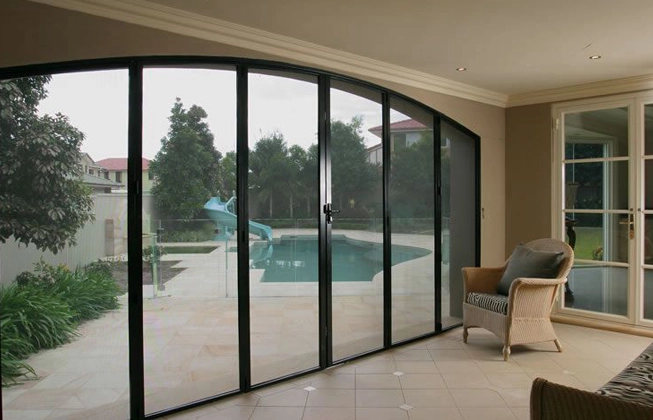
Sunshade screen materials can also be incorporated into suitable outdoor applications.
These may include:
Patios
Pool enclosures
Pergolas
Outdoor seating areas
Temporary shading structures
Outdoor applications require attention to the fabric's construction, coating, environmental exposure, and installation method.
Temporary or Industrial Shading
Separate screen fabrics can also be useful when a project needs a flexible shading layer rather than a permanent modification to the window glazing.
Construction and industrial environments may have different requirements for dimensions, durability, fire performance, and installation. These requirements should be established before fabric selection.
For companies sourcing screen fabric in commercial quantities, working with experienced window screen fabric wholesale suppliers can also simplify specification discussions, sampling, and bulk-order preparation.
What Should Buyers Consider Before Choosing Between the Two?
There is no single specification that determines which solar-control approach is appropriate. The decision should begin with the window, building, shading system, and intended use.
| Consideration | Sunshade Screen | Solar Window Film |
| Separate shading layer | Yes | No |
| Applied directly to glass | No | Yes |
| Integration with roller blinds | Suitable | Not the primary function |
| Daylight control | Fabric structure and openness influence performance | Film optical properties influence performance |
| Outside visibility | Depends on fabric openness and lighting | Depends on film characteristics |
| Privacy | Can be designed through fabric selection | Depends on film type |
| Outdoor shading | Suitable products are available | Generally focused on glazing |
| Fabric customization | Material, color, openness, dimensions, and construction | Film composition and optical properties |
| Replacement | Fabric can be replaced within a suitable system | Film can be removed and replaced |
| Best starting point for specification | Fabric and shading-system requirements | Glass and film requirements |
For B2B projects, buyers should provide more information than simply requesting a "solar screen." A useful specification may include the application, installation position, desired daylight level, privacy requirements, fabric material, openness, dimensions, color, coating, and any required performance or certification documentation.
This is particularly important when the fabric will be converted into roller blinds or incorporated into a larger shading system. A supplier needs enough information to match the material to the intended application.
Conclusion
Sunshade screens and solar window films both help manage sunlight, but they achieve solar control in different ways. A sunshade screen is a separate woven shading layer that can be integrated into blinds and other shading systems, while solar window film is applied directly to the glass. The right choice depends on installation, daylight, visibility, privacy, ventilation, and project requirements. For B2B buyers, evaluating the complete window system and requesting appropriate fabric or film specifications is more useful than comparing the products by a single performance claim.
Frequently Asked Questions
1. Is a sunshade screen the same as solar window film?
No. A sunshade screen is a separate woven shading material, while solar window film is a thin layer applied directly to window glass.
2. Can sunshade screens be used with roller blinds?
Yes. Sunshade screen fabrics are commonly used as the fabric component of roller blind systems. The specific fabric should be matched to the blind construction and intended application.
3. Does solar window film replace a sunshade screen?
Not necessarily. They are different solar-control approaches. A film modifies the glass surface, while a screen provides a separate shading layer. A project may select one approach based on its window and shading requirements.
4. Do sunshade screens block natural light completely?
Not necessarily. Screen fabrics can be designed with different constructions and openness levels. Their purpose is generally to control sunlight rather than automatically create a blackout effect.
5. Can sunshade screen fabric be used outdoors?
Suitable sunshade screen fabrics can be used in outdoor shading applications such as patios, pergolas, and pool enclosures. The material and coating should be selected according to the environmental conditions and system design.