


Sunlight is an important part of a comfortable indoor environment. It provides natural illumination, supports a visual connection with the outdoors, and can reduce the need for artificial lighting during the day. At the same time, uncontrolled sunlight entering through windows can create excessive brightness, unwanted glare, and solar heat gain. The challenge is therefore not simply to block sunlight, but to control it.
For this reason, sunshade screen fabric is used in many window and shading systems where daylight, visibility, and solar control need to be balanced. Rather than creating a completely dark interior, a properly specified screen can moderate the intensity of incoming sunlight while allowing useful daylight to remain.
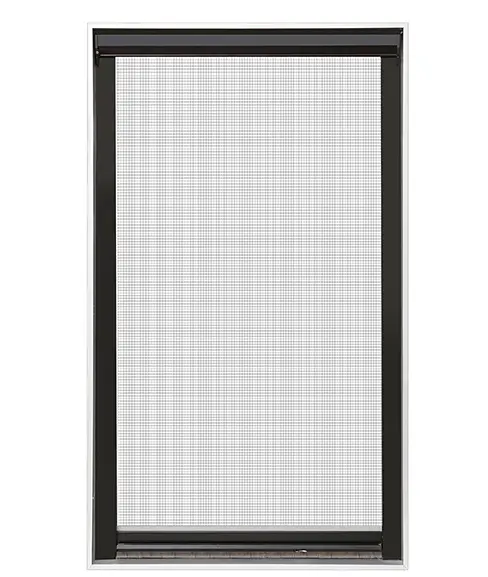
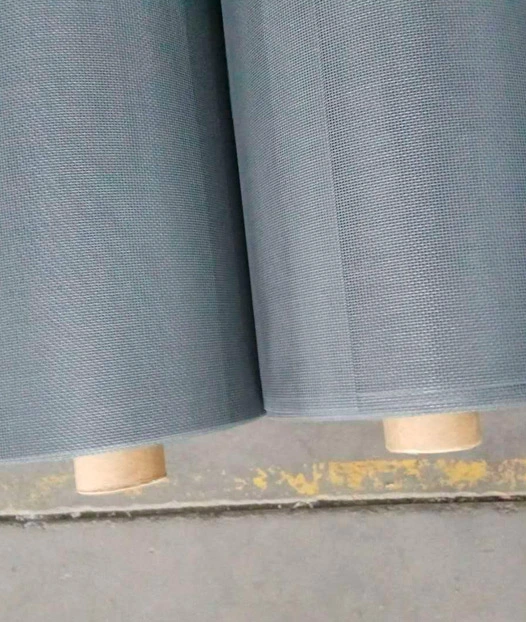
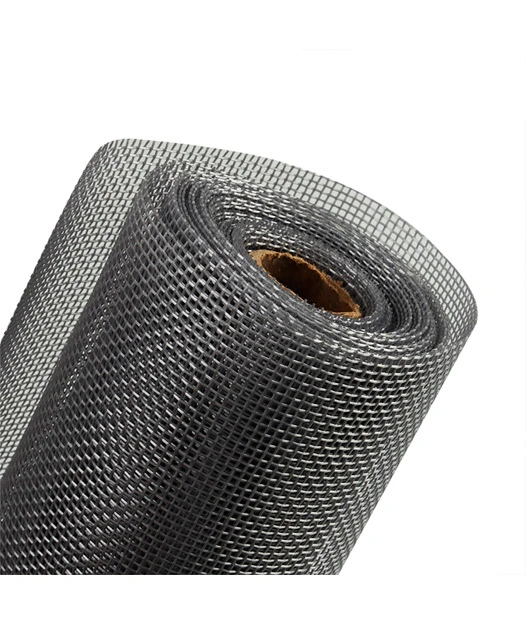
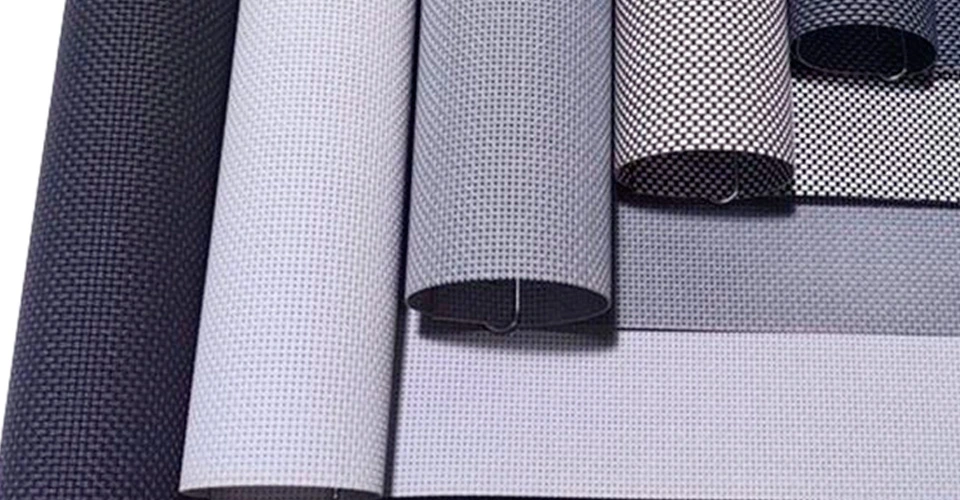
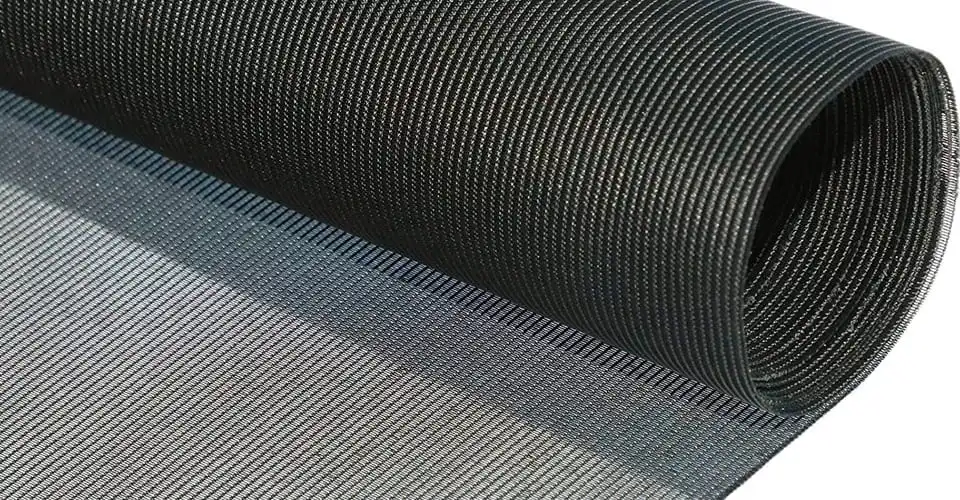
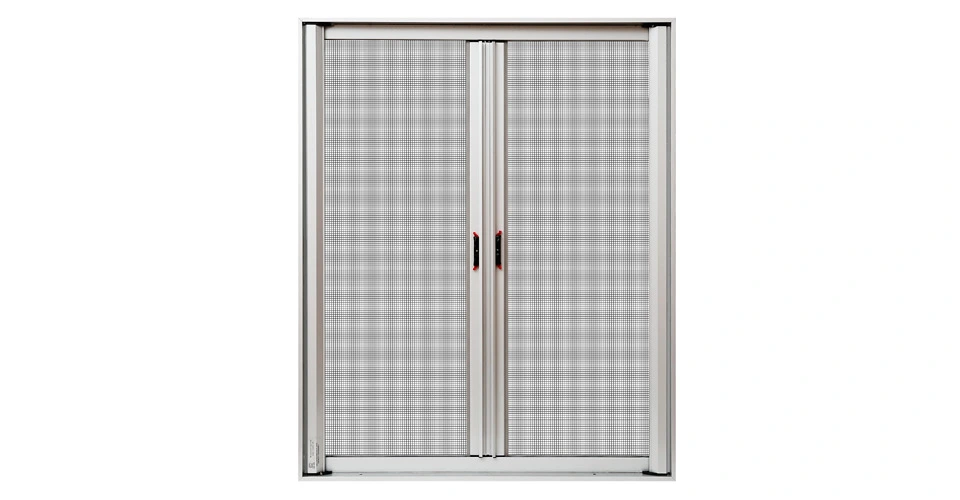
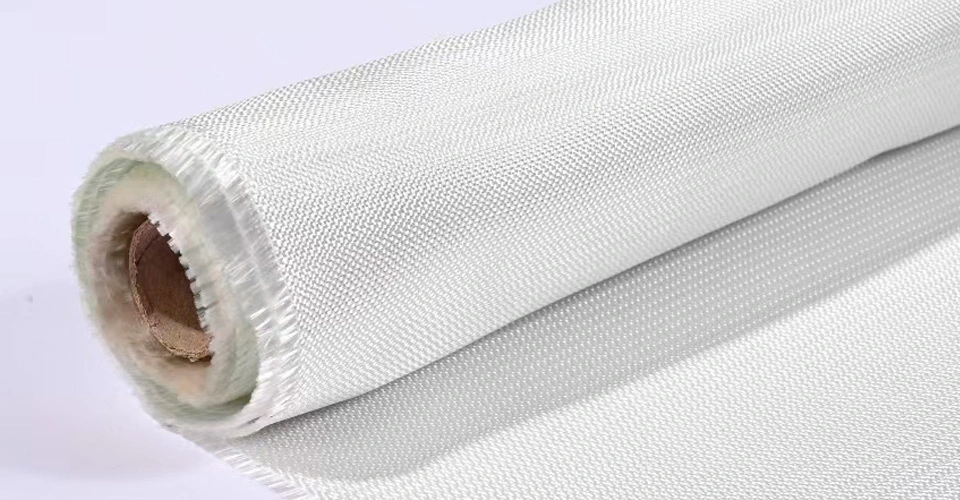
Sunshade screen fabric is a woven shading material designed to control the amount and intensity of sunlight entering through a window while allowing a portion of natural daylight and outside visibility to remain. Shading, screens, and other solar-control strategies can help manage unwanted heat and glare without eliminating the useful functions of windows.
What Happens When Sunlight Reaches a Sunshade Screen?
To understand how sunshade screen fabric works, it helps to look at what happens when sunlight reaches the fabric surface.
Sunlight does not simply pass through or stop at the screen. Depending on the fabric construction and material, incoming solar radiation can be transmitted through the openings, reflected by the surface, or absorbed by the material. The final effect inside the room is determined by how these interactions occur together.
This is why a screen should not be judged only by whether it “blocks the sun.” A more useful question is how the fabric manages sunlight while preserving the functions that make windows valuable in the first place.
Light Transmission
The woven structure of a screen contains areas through which light can pass. The amount of open area, together with the yarn construction and material characteristics, influences how much visible light reaches the interior.
This allows a screen to reduce the intensity of direct sunlight without necessarily turning the window into a blackout surface. In an office, for example, this distinction can matter because occupants may still want daylight and an outside view even when direct sunlight is uncomfortable.
Reflection and Absorption
Some incoming solar radiation is reflected at the fabric surface, while another portion is absorbed by the material. The balance depends on factors such as fabric construction, material, coating, and color.
The position of the shading layer also matters. The U.S. Department of Energy's window guidance notes that shading installed outside the glazing can intercept solar radiation before it reaches the window, making exterior shading an important strategy for controlling solar heat gain.
For this reason, the performance of a screen should be considered as part of the complete window system rather than as an isolated fabric characteristic.
How Does the Fabric Structure Control Solar Radiation?
The structure of the fabric plays a central role in determining how sunlight interacts with a sunshade screen. A screen is not simply a solid sheet placed over a window. Its woven construction creates a controlled relationship between material and open space.
Several fabric characteristics can influence the final result.
Openness
Openness describes the amount of open space within a screen fabric. It is particularly relevant to daylight and outside visibility.
A more open structure generally allows more light and visual information to pass through, while a more closed structure provides greater screening. However, openness should not be considered in isolation because fabric color, material, yarn construction, lighting conditions, and window orientation can also affect the way the screen looks and performs.
Material Construction
Different base materials and coating structures can create different fabric characteristics. Polyester-based and fiberglass-based screen fabrics, for example, may be selected according to the requirements of a particular shading system.
For buyers, this means that the material specification should be considered together with the intended application rather than treated as a simple product label.
Coating and Surface Characteristics
Coating can influence the physical and functional characteristics of a screen fabric. It can also contribute to the fabric's durability and suitability for a particular environment.
When a screen is intended for outdoor use, project requirements may be different from those of an interior roller blind. Environmental exposure, cleaning requirements, dimensional stability, and other factors can all influence the appropriate construction.
The practical lesson is straightforward: solar control is created by the complete fabric structure, not by a single specification alone.
Why Does Sunshade Screen Fabric Reduce Glare?
Glare occurs when excessive brightness or strong contrasts make it difficult or uncomfortable to see. It can become particularly noticeable when direct sunlight reaches a workspace, display surface, or polished interior finish.
This is one reason shading has a role beyond temperature management. The U.S. Department of Energy identifies shading as a strategy for controlling both unwanted heat and glare. Its architectural guidance also discusses fine mesh roll screens as an approach for reducing illumination and glare while maintaining a connection with the outdoor view.
Controlling Direct Sunlight
Direct sunlight can create a large difference in brightness between the window and darker areas of a room. A screen moderates the light entering through the window, reducing the intensity of the bright source.
This can be particularly useful in rooms where occupants need to maintain visual comfort while still using daylight.
Reducing Visual Contrast
Glare is not determined only by how bright a window is. The contrast between the bright window, nearby surfaces, and the occupant's field of view also matters.
A screen can soften this contrast by filtering incoming sunlight before it reaches the interior. The result is not necessarily a dark room. Instead, the objective is a more manageable level of illumination.
Maintaining the Outdoor View
One advantage of a screen-based approach is that the fabric can be designed to maintain some degree of outward visibility. This is different from simply covering a window with an opaque material.
For offices and other occupied spaces, preserving the visual connection with the exterior can be an important part of the overall window strategy.
How Can Sunshade Screens Preserve Natural Light?
The phrase “solar control” can sometimes create the impression that an effective screen needs to block most or all sunlight. In practice, many shading applications require something more balanced. Natural daylight can improve the visual quality of an interior and reduce reliance on artificial lighting.
Controlled Light Transmission
A sunshade screen allows a controlled amount of light to pass through its woven structure. This means the objective is to manage the intensity of sunlight rather than necessarily eliminate daylight.
The result can be useful in spaces where occupants want a brighter environment without exposing the room to uncontrolled direct sunlight.
Balancing Daylight and Visibility
Daylight and visibility are closely related but are not identical requirements. A project may need plenty of natural light while also limiting direct views from outside, or it may prioritize a clear outdoor view.
Screen fabrics provide different ways to approach this balance. The selected construction should therefore reflect the actual use of the space rather than relying on a general assumption that a darker or denser fabric will always provide better performance.
Why Blackout Is a Different Objective
Blackout and solar shading should not be treated as interchangeable concepts.
A blackout material is designed to minimize light transmission. A solar screen, on the other hand, is commonly intended to manage sunlight while retaining useful daylight and, depending on the fabric, some outward visibility.
This distinction is important when selecting sun screen fabric for windows. A buyer who wants daylight, glare control, and an exterior view may require a very different fabric from a buyer whose primary objective is complete light exclusion.
How Does Sunshade Screen Fabric Affect Indoor Heat?
Solar heat gain occurs when solar radiation entering through a window contributes to heat inside a building. When this happens during a cooling period, the additional heat can increase the demand for mechanical cooling.
A sunshade screen can help by limiting the amount of direct solar radiation reaching the glazing and interior. The effect depends on the position of the screen, the fabric construction, the window itself, the orientation of the building, and the surrounding environment.
This is also why it is difficult to assign one universal heat-reduction figure to all screen fabrics. A product's real-world performance depends on the complete system and the conditions in which it is installed.
For projects focused on summer comfort, solar control should therefore be considered together with glazing performance, shading position, building orientation, and HVAC requirements.
Which Sunshade Screen Specifications Affect Solar Control Performance?
For architects, fabricators, distributors, and other B2B buyers, understanding the role of each specification makes it easier to compare samples and technical datasheets.
| Specification | Why It Matters |
| Material composition | Influences the construction, physical characteristics, and intended application of the fabric. |
| Openness | Affects the balance between daylight, solar control, and outside visibility. |
| Fabric weight | Helps describe the overall construction of the material and can be useful when comparing products. |
| Thickness | Provides information about fabric construction and should be considered alongside other specifications. |
| Color | Can influence the visual appearance of the screen and its interaction with incoming light. |
| Coating | Can contribute to durability, stability, and functional characteristics. |
| Width | Important when the fabric is being converted into roller blinds or integrated into a particular shading system. |
| Fire performance | May be relevant to commercial or public projects where specific fire-performance documentation is required. |
| Application | Indoor, outdoor, residential, commercial, and industrial environments can require different fabric characteristics. |
These specifications should be considered together. For example, selecting a fabric based only on openness may overlook important differences in material, color, coating, or intended installation.
For larger projects, requesting technical datasheets and physical samples is useful because visual performance can be difficult to judge from specifications alone. A sample can help buyers evaluate daylight transmission, outward visibility, color, surface appearance, and compatibility with the planned shading system.
How Should Buyers Match Sunshade Screen Fabric to a Project?
The best starting point is the actual problem the shading system needs to solve.
For Areas With Strong Solar Exposure
Where windows receive substantial direct sunlight, buyers should consider the orientation of the glazing, the position of the screen, the required solar control level, and the desired amount of daylight.
Exterior shading can be particularly relevant because it can intercept sunlight before it reaches the glass. However, the final solution depends on the building design and installation conditions.
For Offices and Computer-Based Workspaces
Glare control may be as important as heat control. A fabric that reduces excessive brightness while maintaining useful daylight can help create a more comfortable visual environment.
The exact fabric should be evaluated under realistic lighting conditions because the position of the sun and the direction of the window can significantly change the appearance of glare.
For Residential Windows
Residential projects may place greater emphasis on the combination of daylight, privacy, appearance, and thermal comfort.
In these situations, buyers should consider how the screen looks from both sides of the window and how the fabric performs during different times of day.
For Outdoor Shading Systems
Outdoor applications introduce additional considerations such as environmental exposure, fabric stability, cleaning, coating, and system design.
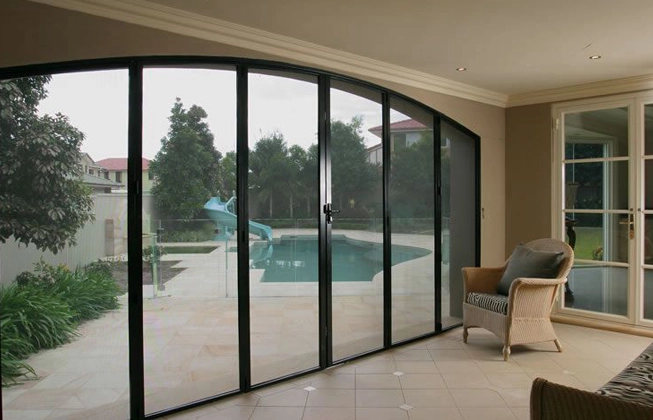
Sunshade screen fabrics may be used in applications such as patios, pergolas, pool enclosures, and other shading structures when the material and construction are appropriate for the environment.
Manufacturers and distributors should therefore specify the intended application before requesting a quotation. This gives a supplier a clearer basis for recommending an appropriate material construction.
Why Does the Complete Window System Matter?
Sunshade screen fabric should not be evaluated separately from the window and shading system in which it will be installed.
A window's orientation affects the angle and intensity of incoming sunlight. The glazing affects solar transmission and visible light transmission. The screen affects how much of that light is filtered before reaching the interior. Interior surfaces then influence how the remaining light is distributed through the room.
This means that two buildings using the same screen fabric can experience different results.
The U.S. Department of Energy similarly emphasizes that successful daylighting depends on several factors working together, including window placement, shading, glazing, climate, and the need for views.
For B2B buyers, this broader perspective is useful when discussing specifications with a supplier. Instead of asking only for a “high-performance sunshade fabric,” it is more productive to describe the window type, installation position, desired daylight level, glare concerns, privacy requirements, operating environment, and final application.
This approach also makes product comparisons more meaningful because the fabric is being evaluated against the actual requirements of the project.
Conclusion
Sunshade screen fabric does not need to eliminate sunlight to provide effective solar control. Its woven structure can moderate incoming light, reduce excessive brightness and help limit solar exposure while retaining useful daylight and, depending on the construction, an outdoor view. Openness, material, color, coating, installation position, glazing, and window orientation all influence the final result. For B2B projects, evaluating these factors together provides a more reliable basis for selecting screen fabric than relying on a single performance specification.
Frequently Asked Questions
1. How does sunshade screen fabric reduce heat?
Sunshade screen fabric can reduce solar exposure by filtering and intercepting sunlight before it reaches the interior. The actual effect depends on the fabric construction, installation position, glazing, window orientation, and surrounding conditions.
2. Does sunshade screen fabric block natural light?
Not necessarily. Screen fabric can be designed to control sunlight while allowing a portion of natural daylight to pass through. The amount of daylight depends on the fabric structure and the selected specification.
3. Does sunshade screen fabric reduce glare?
It can help reduce excessive brightness and glare by filtering direct sunlight before it reaches the interior. The actual level of glare control depends on the fabric, window orientation, sun position, room layout, and other environmental factors.
4. What is the role of openness in sunshade screen fabric?
Openness describes the open area within the woven fabric. It affects the balance between daylight transmission, outside visibility, and solar screening, but it should be evaluated together with material, color, coating, and other fabric characteristics.
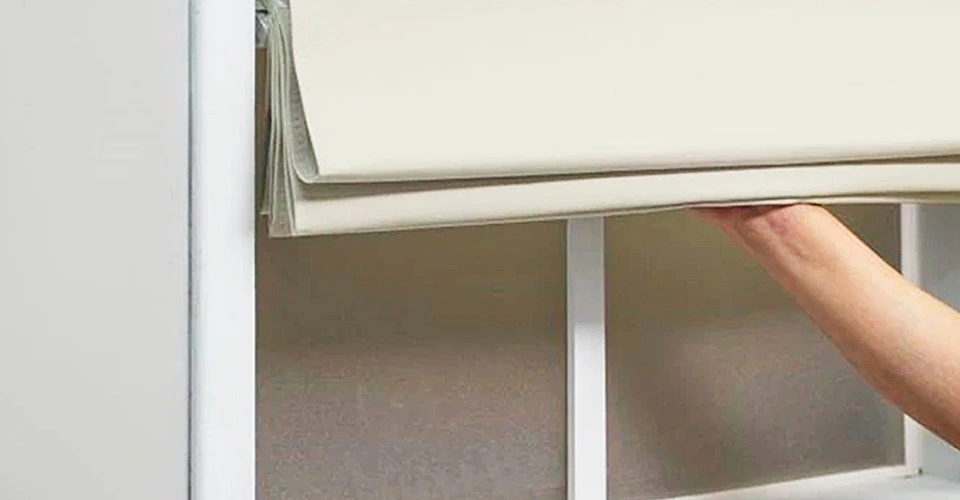
5. Can sunshade screen fabric be used for roller blinds?
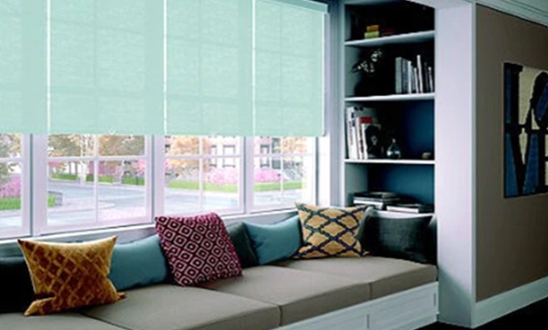
Yes. Sunshade screen fabrics can be used as the fabric component of roller blind systems. The selected material should match the blind construction, window dimensions, desired visual performance, and intended environment.