



2026-09-21
Learn More
Choosing between pleated net and flat screen mesh involves more than comparing appearance or mesh density. Their structures, installation methods, and operating mechanisms differ, which can affect replacement compatibility and long-term performance. Before ordering pleated screen mesh replacement, homeowners, installers, and distributors should determine whether the existing frame is designed for folding mesh or conventional flat mesh.
Understanding these differences helps prevent unsuitable replacements, installation problems, and unnecessary modifications. The right choice depends on the original screen system, required dimensions, and how the screen opens and closes.
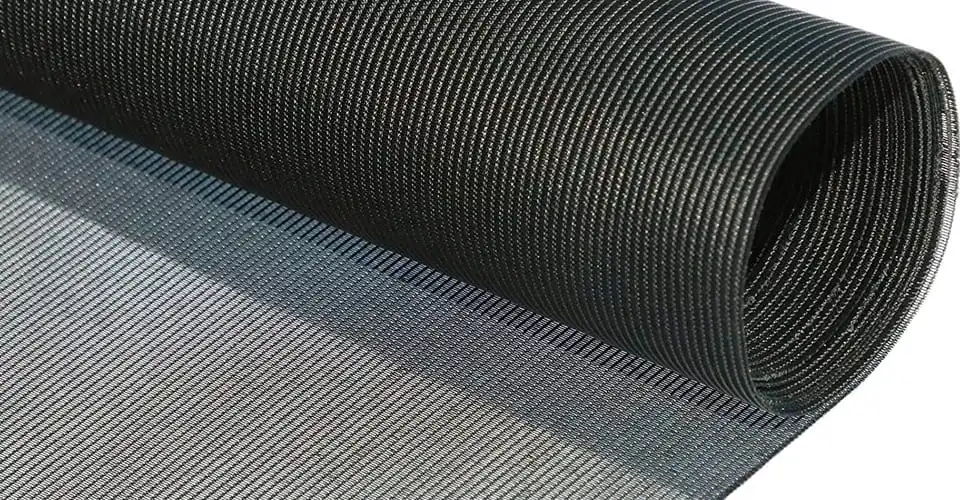
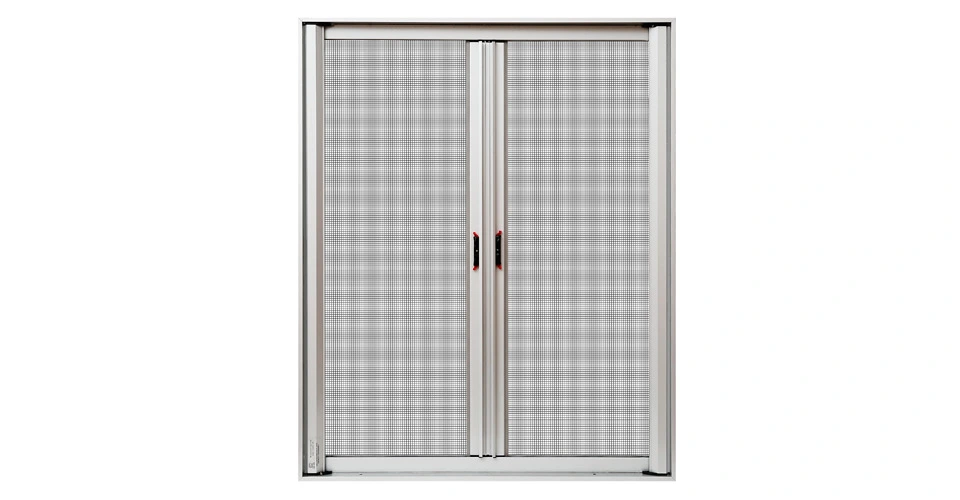
Pleated mesh has a folded, zigzag structure that expands and contracts as a retractable screen moves. The folds allow the mesh to collect into a compact space when the screen is opened, making this design suitable for many sliding doors, patio entrances, and retractable window systems.
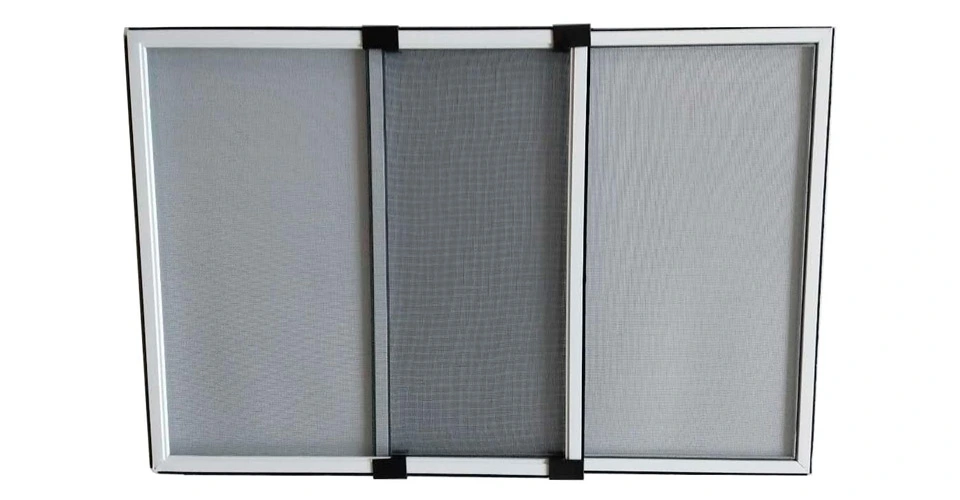
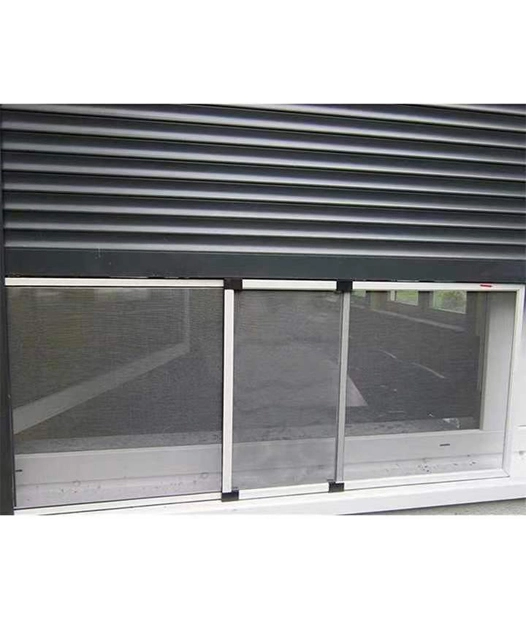
Flat insect screen mesh has a relatively even, planar structure. It is commonly installed in fixed frames or conventional screen doors, where the mesh remains stretched across the opening rather than folding into a housing.
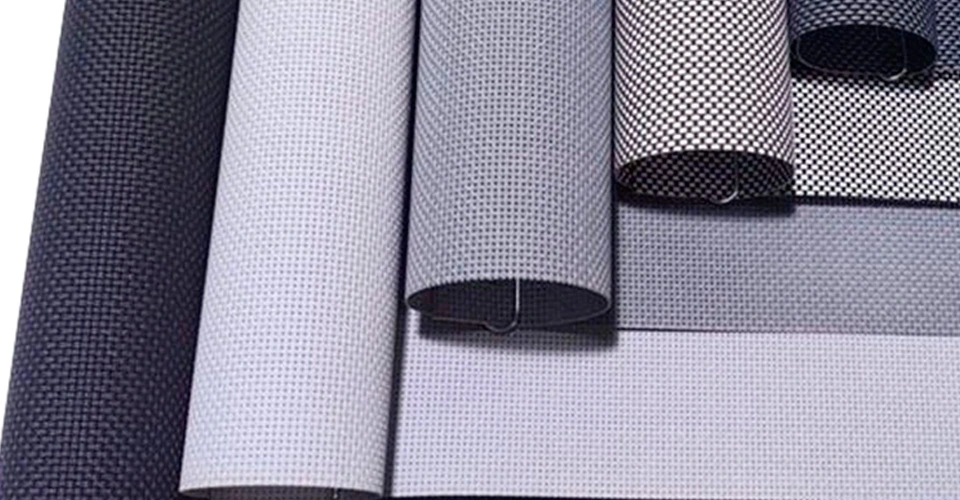
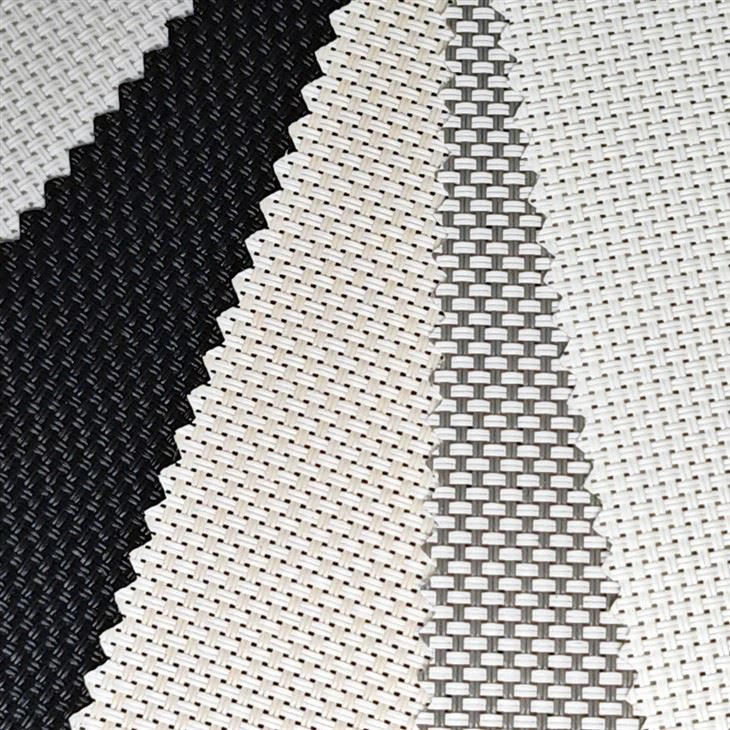
Material and mesh count are separate considerations from structure. JWFG's pleated screen range includes 18×16 and 20×20 mesh options with different pleat heights. Its fiberglass insect screen range also includes various mesh counts for conventional screening applications. Matching the mesh count alone does not establish replacement compatibility because the two products may have different structural requirements.

Pleated mesh must maintain its folds as the screen extends and retracts. Its pleat height, material flexibility, and overall construction influence how it moves through the intended mechanism. A replacement that does not suit the original system may fold unevenly, resist movement, or fail to retract neatly.
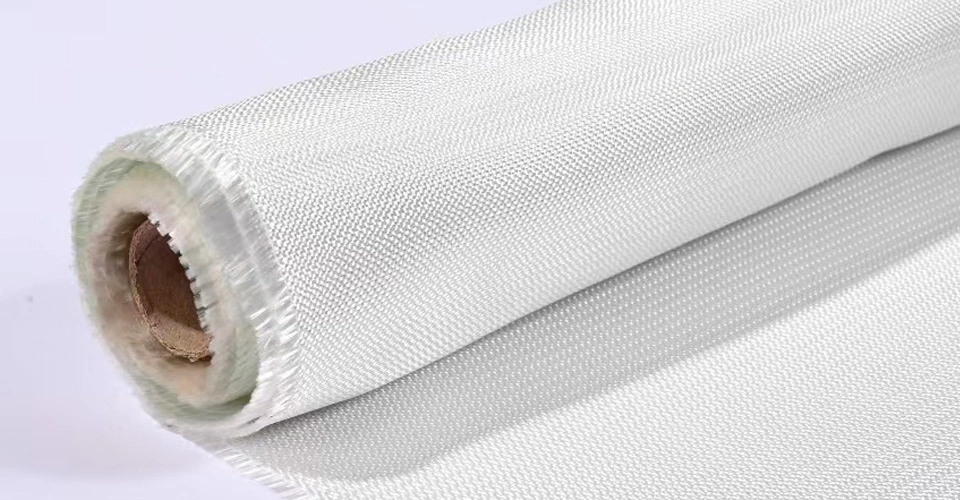
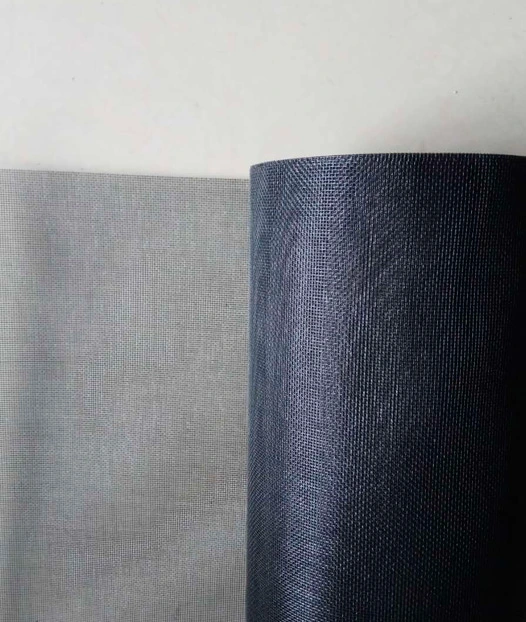
The term pleated mosquito net material can refer to different fiber constructions, so buyers should confirm the material rather than assume every pleated screen uses the same yarn. JWFG lists fiberglass and polyester-based materials for its pleated screen products, with different configurations available.
When evaluating replacement mesh, check the original pleat height, mesh specification, color, and material. JWFG lists pleat heights including 14 mm, 15 mm, 18 mm, and 20 mm across its product range. These specifications illustrate why identifying the existing system matters: a replacement should be selected according to the actual screen design, not simply because its mesh looks similar.

Flat mesh is not automatically a direct substitute for pleated mesh. A retractable pleated system relies on folded material and a mechanism designed to guide its movement. Replacing the pleated material with flat mesh may require a different installation arrangement and may prevent the screen from operating as intended.
Conversely, pleated mesh is not necessarily suitable for a conventional flat-screen frame. A fixed frame typically requires mesh that can be tensioned and secured around its perimeter. Pleated material needs an arrangement that accommodates its folds and movement.
Replacement decisions should therefore begin with the frame and operating system rather than the mesh alone. If the original screen is fixed, a compatible insect screen manufacturer can help identify suitable conventional mesh options. If the screen retracts into a pleated system, review the corresponding pleated product specifications before ordering.
Frame and mechanism compatibility often determines whether replacement mesh will function correctly. Before removing the original material, inspect the screen assembly and record its configuration.
| Component | What to check | Why it matters |
| Frame | Overall dimensions and mounting arrangement | Determines the available installation space |
| Track | Track profile, clearance, and movement | Affects smooth opening and closing |
| Pleat height | Original fold dimensions | Helps match the folding system |
| Cord or tension system | Routing, attachment, and condition | Supports controlled movement where applicable |
| Mesh | Material, mesh count, and color | Helps maintain the intended screening performance |
Not every screen system uses the same cord or tension arrangement, so identify the actual components rather than assuming a universal design.
The phrase pleated mesh frame compatibility refers to how the mesh, frame, tracks, and operating components work together. Even when the replacement material has similar dimensions, differences in fold geometry or attachment methods can cause operational problems. Measure carefully and document the original arrangement before selecting replacement material.
Providing complete information helps a supplier assess whether a replacement matches the existing screen system. Before requesting a quotation, prepare the following details:
Product identification: Original screen type, model information, and photographs of the installed assembly.
Dimensions: Screen width, height, and original pleat height where measurable.
Mesh specifications: Material, mesh count, color, and any known product details.
Mechanism details: Track arrangement, attachment method, and cord configuration if present.
Order requirements: Required quantity, intended application, and any customization needs.
Photographs of the fully extended screen and the retracted position can help clarify its construction. If the original specifications are unavailable, tell the supplier which measurements are confirmed and which remain uncertain.
For buyers sourcing from pleated mosquito net manufacturers, confirming the intended system and available product specifications before ordering can reduce compatibility risks. For application-specific assistance, contact JWFG with your measurements and screen details.
Pleated and flat screen mesh serve different installation and operating requirements. Before ordering replacement material, verify the mesh structure, dimensions, frame design, and movement mechanism. Matching these details helps avoid unsuitable substitutions and supports reliable screen operation.
Not necessarily. Flat mesh is designed for conventional flat installations, while pleated systems require material compatible with their folding and retracting mechanisms.
Pleated mesh has a folded structure that expands and contracts. Flat mesh remains relatively planar and is commonly secured across a fixed frame.
Yes. Pleat height is an important specification because the folding geometry must suit the original screen system.
Not automatically. Mesh count describes the mesh opening configuration, but it does not establish compatibility with a frame or folding mechanism.
Record the screen dimensions, original mesh specifications, pleat height if applicable, and relevant frame and track details. Photographs can provide additional context.
That depends on the condition and design of the existing assembly. If the frame and mechanism remain suitable, material replacement may be possible; otherwise, a compatible complete system may be more practical.