




2026-07-16
Learn More
Knowing how many window screens per roll can be produced helps wholesalers, window manufacturers, and screen fabricators estimate material requirements, reduce cutting waste, and control production costs. However, the actual number of usable panels depends on roll width, roll length, panel dimensions, cutting allowances, and the arrangement of each cut. Calculating these factors before ordering helps buyers compare mesh specifications and determine the real material cost per finished panel.
An accurate cutting plan starts with the usable dimensions of the window screen mesh roll and the cutting dimensions of each panel. Buyers should distinguish between the visible screen size and the total mesh required for trimming, fitting, and installation.
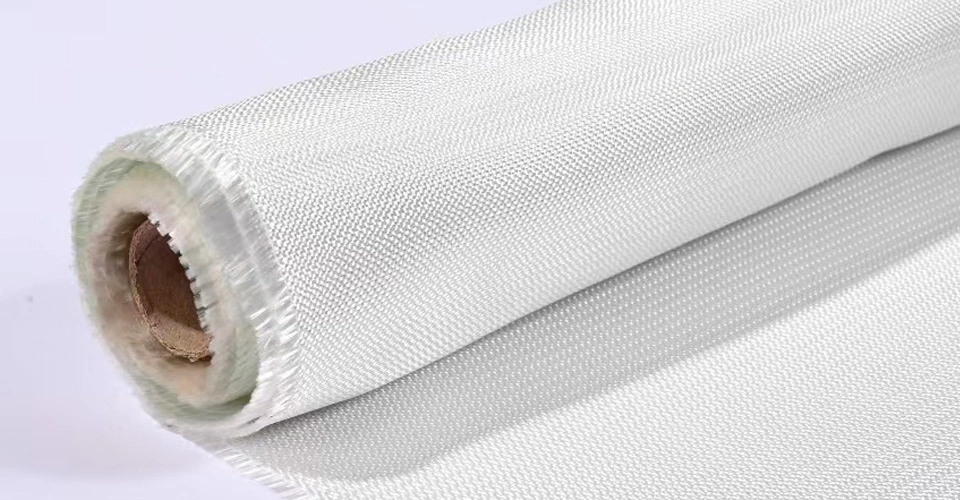
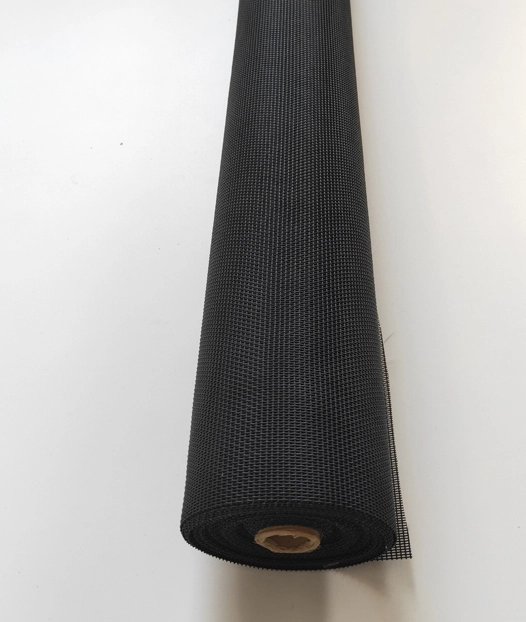
JWFG offers fiberglass insect screen in different mesh constructions, including 18×14, 18×16, 20×20, and 25×25. Its product information lists customizable roll widths from 0.6 to 3 meters and roll lengths up to 300 meters. Buyers should confirm the available specifications for their selected product before estimating output.
Other considerations include edge condition, material defects, cutting gaps, and whether panels can be rotated without affecting installation requirements. These details help establish realistic usable dimensions rather than relying solely on the nominal roll size.

For a straightforward layout, divide the usable roll width by the panel cutting width to calculate how many panels fit across the roll. Next, divide the usable roll length by the panel cutting length to determine the number of complete rows. Round both results down to whole numbers.
Theoretical panels per roll = Panels across × Rows along the roll
For example, consider a hypothetical 1.2-meter-wide roll measuring 100 meters long. If each panel requires 0.6 × 0.9 meters of mesh, two panels fit across the roll, while 111 complete rows fit along its length. The theoretical yield is 222 panels.
This calculation assumes the 0.6-meter dimension runs across the roll and excludes additional cutting allowances, defects, and unusable edges. Actual production yield may therefore be lower. For complex orders involving different panel sizes, calculate alternative layouts before confirming the required roll quantity.
Roll width affects how efficiently a window screen roll can be converted into finished panels. A wider roll may accommodate more panels across, but the most suitable width depends on the dimensions of the order and the amount of leftover material.
The following example compares hypothetical roll widths using a 100-meter roll and a panel cutting size of 0.6 × 0.9 meters.
| Illustrative roll width | Panels across | Complete rows | Theoretical panels |
| 0.6 m | 1 | 111 | 111 |
| 1.2 m | 2 | 111 | 222 |
| 1.8 m | 3 | 111 | 333 |
| 2.4 m | 4 | 111 | 444 |
| 3.0 m | 5 | 111 | 555 |
These are illustrative calculations, not guaranteed production yields. Additional cutting allowances, defects, and edge trimming are excluded.
An effective screen mesh cutting layout should account for panel orientation, leftover strips, and opportunities to reuse offcuts. For example, a roll that produces more panels per row may still generate waste if its remaining width is unsuitable for other products.
When comparing wholesale fiberglass window screen, buyers should evaluate available specifications against their standard panel sizes and order quantities rather than choosing the widest roll automatically.
The lowest roll price does not necessarily produce the lowest cost per finished screen. A window screen mesh waste calculation should consider usable output after trimming, inspection, and removal of defective material.
Mesh cost per usable panel = Total roll cost ÷ Number of usable panels
For example, if a hypothetical roll costs $120 and produces 200 usable panels, the mesh cost is $0.60 per panel. If cutting waste and defects reduce the output to 180 panels, the cost increases to approximately $0.67 per panel.
For a more complete production estimate, include cutting labor, handling, inspection, and waste disposal where relevant. When comparing suppliers, apply the same panel dimensions and assumptions to each estimate. This makes the results more meaningful and helps purchasing teams identify where better roll specifications could reduce material costs.

A clear purchase specification helps suppliers evaluate suitable products and roll dimensions. Before placing a bulk order, prepare the following information:
Panel dimensions: Finished sizes, cutting allowances, and quantities for each size.
Mesh requirements: Mesh count, material, color, and intended screening application.
Roll specifications: Preferred width, length, and total order volume.
Quality standards: Acceptable defects, edge condition, and consistency between rolls.
Production requirements: Cutting method, expected consumption, and opportunities to reuse offcuts.
Working with an experienced insect screen manufacturer can help buyers match product specifications to their production requirements. Before confirming an order, verify available dimensions, product suitability, and any customization options. For project-specific requirements, contact JWFG to discuss suitable mesh products and bulk ordering needs.
Calculating how many window screens per roll requires accurate dimensions, realistic cutting allowances, and an efficient layout. Comparing usable yield, leftover material, and cost per panel helps buyers reduce avoidable waste and make better-informed purchasing decisions.
The yield depends on roll dimensions, panel sizes, cutting allowances, and material defects. Calculate complete panels across and rows along the roll to estimate output.
No. A wider roll may fit more panels across, but leftover strips can increase if its width does not match the required panel dimensions efficiently.
Yes. Use cutting dimensions that include necessary trimming and fitting allowances rather than relying only on the visible panel size.
Divide each roll's total cost by the expected number of usable panels. This provides a more realistic material cost per panel than using theoretical output.
Yes. A mixed-size layout may improve material utilization when panel dimensions, cutting sequences, and production requirements are planned carefully.
Provide the mesh specification, required roll width and length, panel dimensions, order quantity, and quality requirements. Confirm product availability and cutting requirements before finalizing the order.